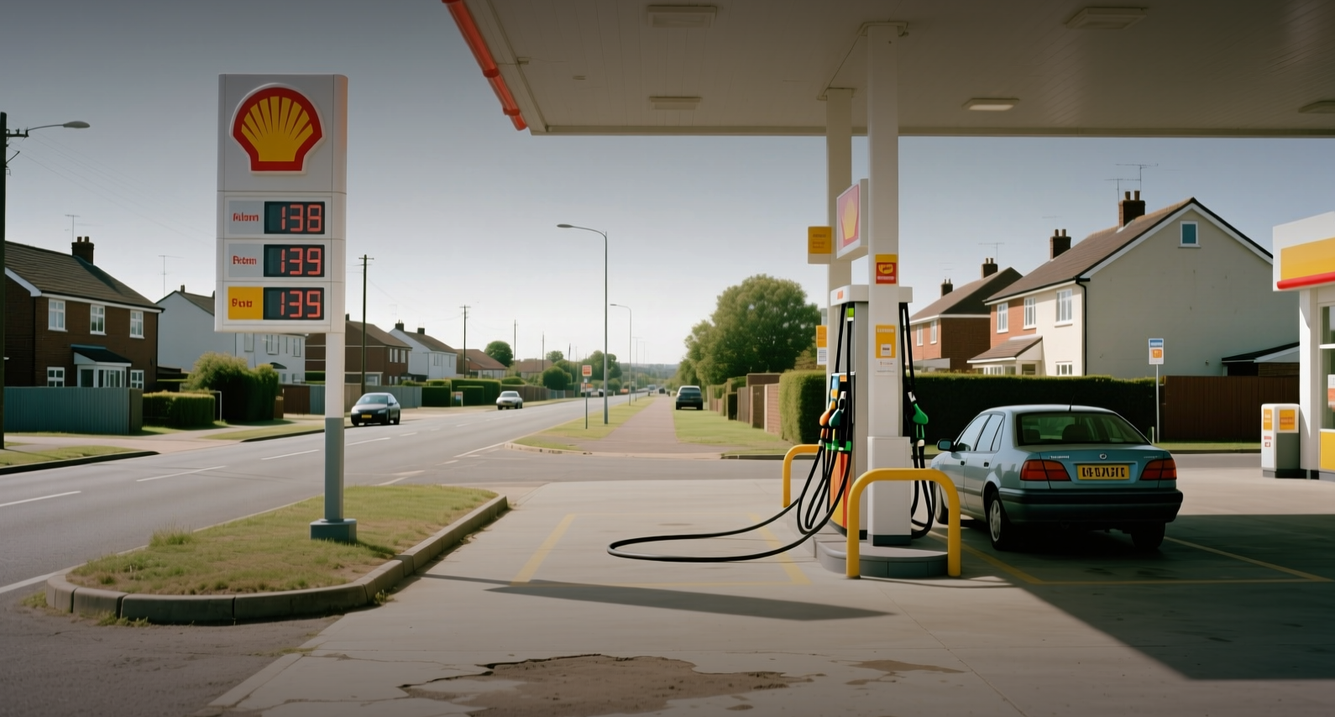
A supply-disruption premium is now embedded in the front of the oil curve, and it is being paid for at the pump. Front-month Brent settled above $105 a barrel for the first time in this escalation cycle, while the US national average for regular gasoline set a Labor Day weekend record.
"The market is no longer pricing a probability of disruption, it is pricing a duration of disruption," said Helima Croft, head of global commodity strategy at RBC Capital Markets. "Every day that passes without a de-escalation headline adds a few dollars to the back end of the curve, and that is what makes this different from the spikes of the past two years."
Brent's move above $105 extends a rally that has added roughly $14 a barrel since the middle of August, with the front-month contract trading at a widening premium to the six-month tenor — a structure traders read as a near-term supply cushion rather than a demand story. West Texas Intermediate followed, holding above $101. The geopolitical bid has run alongside a firmer physical market: OPEC+ production remains restrained under existing quota agreements, and US commercial crude inventories have drawn for a third consecutive week, according to Energy Information Administration data.
The transmission to the consumer has been immediate. Pump prices are up sharply from the same point a year ago, and because gasoline feeds directly into the headline consumer price index, a sustained move at the retail level complicates the disinflation narrative that has underpinned rate-cut expectations into the fourth quarter.
The 3-day test that decides whether this is inflation or noise
The distinction that matters for portfolios is persistence. Energy shocks historically feed into core inflation only when the crude move holds for more than roughly three trading sessions and is accompanied by a physical supply loss rather than a risk premium alone. The 2022 spike after the invasion of Ukraine is the closest precedent: Brent rose above $120 within two weeks, US gasoline crossed $5 a gallon, and headline CPI peaked at 9.1 percent in June of that year — but core inflation kept climbing for months afterward, forcing the Federal Reserve into 75-basis-point increments.
This episode has not yet produced a confirmed barrel of lost supply. That is the gap between a headline spike and an inflation shock, and it is why the equity reaction has been narrower than the crude move. Energy sector earnings estimates have been revised higher, while transport, airlines and consumer discretionary names carry the offsetting cost pressure. The dollar has firmed modestly as a safe-haven bid, which partially cushions the dollar-denominated crude price for non-US buyers.
The next 72 hours are the pivot. If Iranian retaliation or a credible threat to Strait of Hormuz transit materializes, the risk premium converts into a physical premium and the $105 floor becomes support rather than a ceiling — a path that would put $115-$120 in play and force a repricing of fourth-quarter inflation expectations. If the standoff holds without a supply event, the premium decays, as it did after previous escalations that stopped short of disrupting flows, and Brent retraces toward the high-$90s.
For now, the burden sits on the consumer and on central bankers. Every sustained $10 increase in Brent historically adds roughly 25 to 30 cents to the US retail gasoline price and about 0.2 percentage points to headline CPI over a quarter. With gasoline already at a record for the holiday, the second-round effects — wage demands, transport surcharges, airline fuel clauses — are the channel to watch, not the crude print itself.
This article is for informational purposes only and does not constitute investment advice.