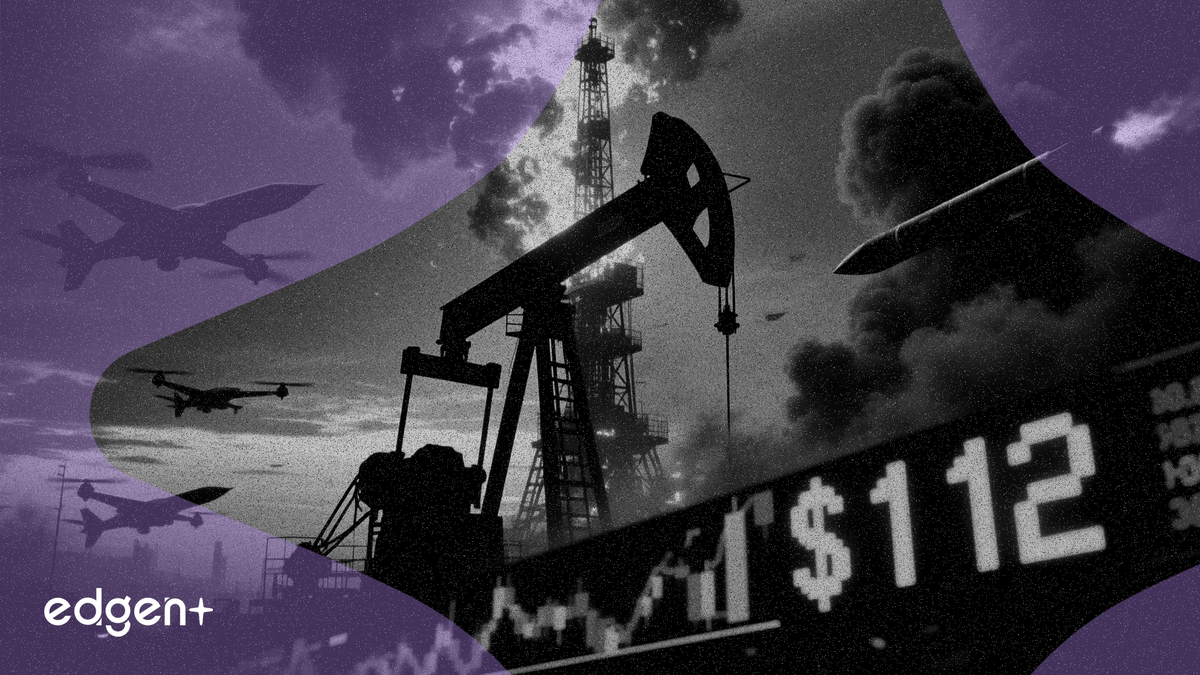
Dầu Brent vượt 112 USD do mối đe dọa địa chính trị mới
Giá dầu toàn cầu tăng mạnh vào ngày 29 tháng 3 sau khi phiến quân Houthi của Yemen bắn tên lửa vào Israel, mở ra một mặt trận mới trong cuộc xung đột Trung Đông đang mở rộng. Cuộc tấn công ngay lập tức làm tăng thêm mức phí bảo hiểm rủi ro cho thị trường, đẩy dầu Brent, chuẩn toàn cầu, tăng 4,22% để đóng cửa ở mức 112,57 USD/thùng. Dầu West Texas Intermediate (WTI) tăng 5,46% và chốt ở mức 99,64 USD. Cả hai chuẩn đều đạt mức giá cao nhất kể từ giữa năm 2022, phản ánh mối lo ngại của nhà đầu tư rằng cuộc xung đột đang mở rộng.
Sự tham gia của Houthi đe dọa các điểm nghẽn dầu mỏ quan trọng toàn cầu
Sự can thiệp trực tiếp của Houthi đánh dấu một sự leo thang nghiêm trọng, đe dọa các tuyến đường hàng hải quan trọng thiết yếu cho thương mại toàn cầu. Cuộc tấn công khiến hoạt động vận chuyển ở Biển Đỏ và eo biển Bab-el-Mandeb gặp rủi ro lớn hơn. Sự leo thang này làm tăng nỗi sợ hãi về khả năng đóng cửa Eo biển Hormuz, tuyến đường thủy quan trọng nhất thế giới đối với dầu mỏ, nơi khoảng một phần năm nguồn cung toàn cầu đi qua. Một sự gián đoạn kéo dài ở đó sẽ tạo ra một cú sốc nguồn cung lớn hơn những gì đã thấy trong những năm 1970.
Quyết định của Houthi tham gia vào cuộc xung đột Trung Đông rộng lớn hơn đánh dấu một sự leo thang nghiêm trọng và đáng lo ngại sâu sắc.
— Farea al-Muslimi, Chatham House.
Thị trường "Con mèo của Schrödinger" vật lộn với sự bất ổn của chiến tranh
Thị trường dầu mỏ hiện đang bị mắc kẹt giữa hai khả năng cực đoan, tạo ra sự biến động đã gây ra biến động giá lên tới 35 USD trong một ngày giao dịch. Một mặt, một cuộc chiến kéo dài đóng cửa Eo biển Hormuz sẽ gây ra cuộc khủng hoảng dầu mỏ tồi tệ nhất trong lịch sử. Mặt khác, các nhà giao dịch nhớ lại các sự kiện địa chính trị gần đây, nơi các đợt tăng giá ban đầu nhanh chóng đảo ngược, khiến họ do dự khi đặt cược vào một sự gián đoạn kéo dài. Sự bất ổn này đã tạo ra một thị trường "Con mèo của Schrödinger", nơi thế giới đồng thời đứng trên bờ vực của một cú sốc nguồn cung lớn và sự trở lại nhanh chóng bình thường, với giá phản ứng dữ dội với mọi diễn biến mới.