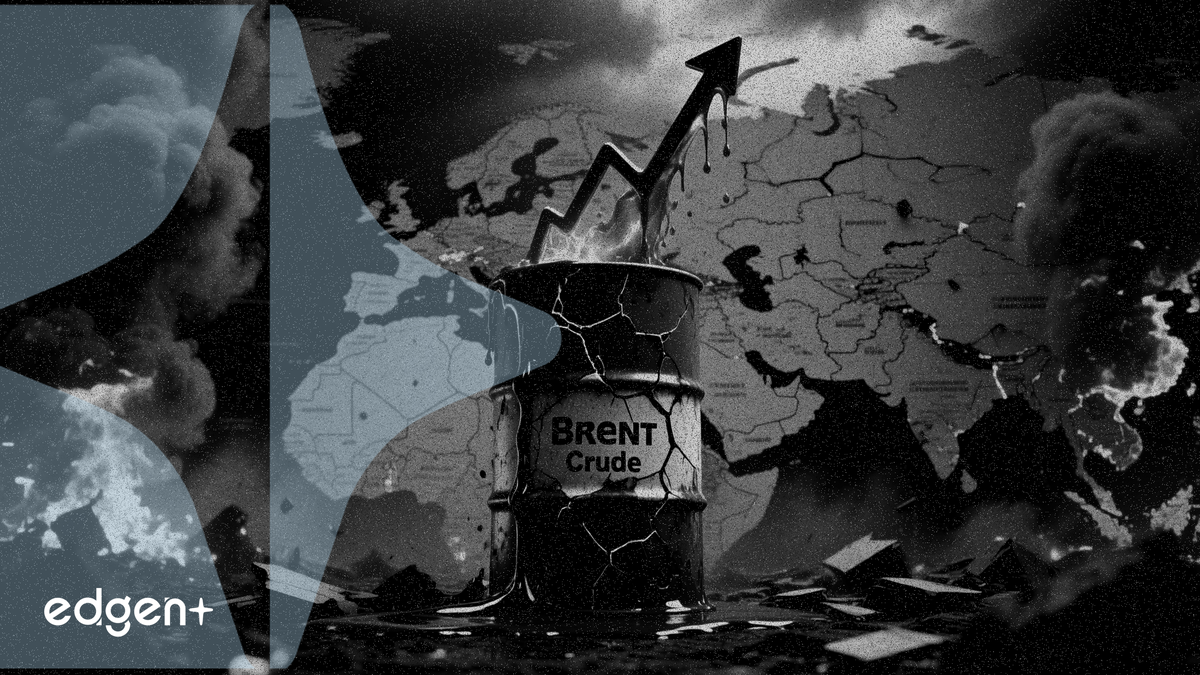
3 Nisan yerel saatle 16:00'da İran'ın başkenti Tahran'a yönelik bildirilen bir saldırı, küresel piyasalarda anında şok dalgaları yaratarak Orta Doğu'da daha geniş bir çatışma korkusuyla Brent petrol vadeli işlemlerini %3'ten fazla yükseltti.
Veracity Insights jeopolitik stratejisti Michael Vance, "Bu, petrol fiyatlarına önemli bir risk primi getiren ciddi bir gerilimi temsil ediyor. Piyasa artık, kritik enerji altyapısını etkileyebilecek doğrudan bir askeri çatışmanın göz ardı edilemeyecek olasılığını fiyatlamak zorunda kalıyor," dedi.
Piyasanın tepkisi, ders kitaplarına geçecek bir güvenli limana kaçış örneğiydi. Petrol fiyatlarındaki artışın yanı sıra spot altın %1,2 değer kazanarak onsu 2300 doların üzerinde işlem görürken, ABD Dolar Endeksi (DXY) başlıca para birimlerinden oluşan sepet karşısında %0,5 güçlendi. Buna karşılık, ABD hisse senedi vadeli işlemleri keskin bir şekilde düşerek Wall Street için riskten kaçış odaklı bir başlangıca işaret etti.
Tehlikede olan, küresel enerji arzının istikrarıdır. İran'ı içeren doğrudan bir çatışma, dünya günlük petrol tüketiminin yaklaşık %21'inin geçtiği kritik bir darboğaz olan Hürmüz Boğazı'nı tehdit edebilir. Piyasalar için acil zorluk, misilleme olasılığını ve uzun süreli arz kesintilerine yol açabilecek kısasa kısas bir tırmanma potansiyelini değerlendirmektir.
Petrol Piyasası Gerilimin Tırmanmasına Hazırlanıyor
Saldırı, OPEC+ üretim kesintileri ve dayanıklı küresel talep nedeniyle zaten sıkışık olan petrol piyasasına taze bir dalgalanma dozu enjekte ediyor. Brent petroldeki %3'ten fazla artış, geçen yılın sonlarında Kızıldeniz'deki aksamaların başlamasından bu yana fiyatlara eklenen en büyük tek günlük jeopolitik risk primidir. Körfez'de doğrudan bir çatışmanın yaşandığı 2019'da petrol fiyatları tek bir seansta yaklaşık %15 artmıştı; bu da piyasanın bölgedeki arz tehditlerine karşı hassasiyetini vurgulamaktadır.
Yatırımcılar şimdi İran ve diğer bölgesel güçlerden gelecek resmi açıklamaları yakından takip ediyor. Saldırının doğası ve ardından gelecek tepki, bunun sınırlı bir olay mı yoksa daha ciddi bir askeri çatışmanın başlangıcı mı olacağını belirleyecek. Durum geliştikçe savunma sektörü hisseleri ve petrol tankeri hisselerinde dalgalanmanın artması bekleniyor.
Bu makale yalnızca bilgilendirme amaçlıdır ve yatırım tavsiyesi niteliği taşımaz.