
Cuộc tấn công của quân đội Hoa Kỳ vào một tàu thương mại Iran ngày 19 tháng 4 đã làm dấy lên lo ngại về một cuộc xung đột rộng lớn hơn, đe dọa làm gián đoạn các chuyến vận tải dầu quan trọng và khiến giá dầu thô tăng vọt.
Cuộc tấn công của quân đội Hoa Kỳ vào một tàu thương mại Iran ngày 19 tháng 4 đã làm dấy lên lo ngại về một cuộc xung đột rộng lớn hơn, đe dọa làm gián đoạn các chuyến vận tải dầu quan trọng và khiến giá dầu thô tăng vọt.
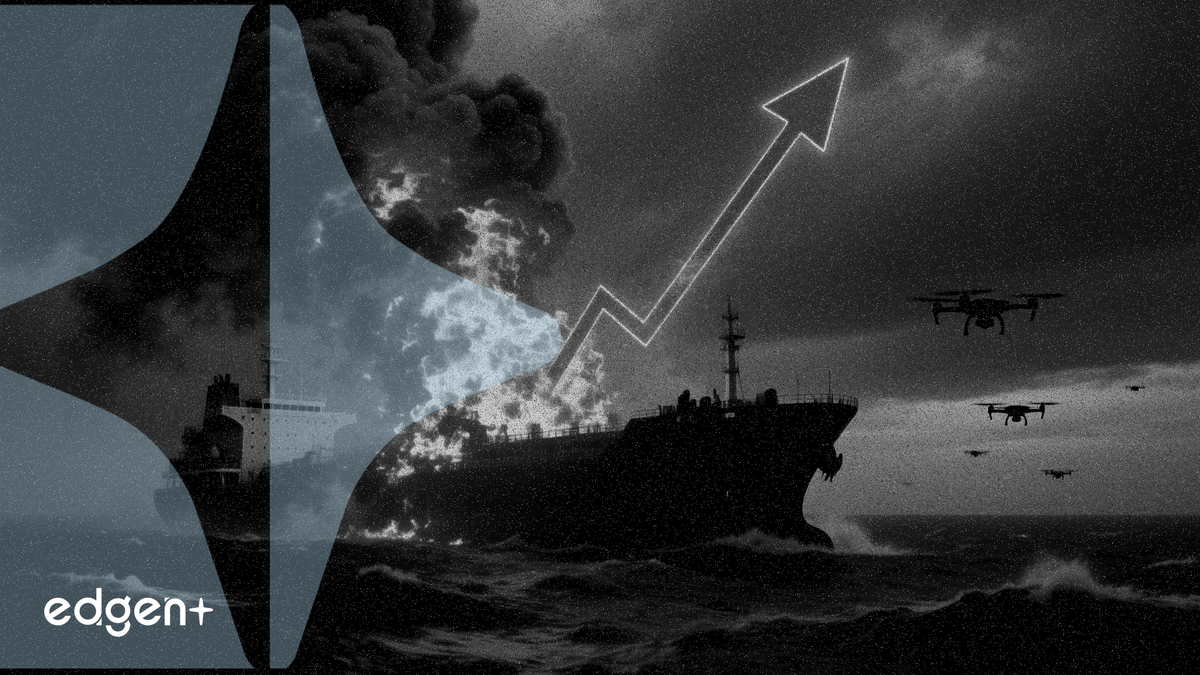
Cuộc đối đầu trực tiếp giữa quân đội Hoa Kỳ và một tàu thương mại của Iran vào thứ Sáu đã đẩy giá dầu thô Brent tương lai tăng hơn 2% lên trên 90 USD/thùng, khi các nhà giao dịch định giá rủi ro gia tăng đáng kể của căng thẳng Trung Đông. Theo báo cáo từ truyền thông nhà nước Iran, cuộc tấn công đã buộc con tàu Iran phải quay đầu.
"Đây là một sự leo thang có chủ ý và đưa cuộc xung đột ra khỏi phạm vi ủy nhiệm để chuyển sang đối đầu trực tiếp giữa các quốc gia," Kian Vakil, nhà phân tích cấp cao tại Persian Gulf Strategies cho biết. "Phản ứng của thị trường diễn ra nhanh chóng vì rủi ro đối với việc vận chuyển dầu qua eo biển Hormuz hiện đang được tập trung cao độ. Mọi tàu chở dầu trong khu vực hiện đang phải đối mặt với mức phí bảo hiểm cao hơn."
Tác động của thị trường là ngay lập tức và lan rộng khắp các loại tài sản. Dầu Brent giao tháng 6 đã tăng 2,3% lên 90,85 USD/thùng, mức cao nhất trong ba tuần. Song song đó, vàng giao ngay, một tài sản trú ẩn an toàn truyền thống, đã tăng 1,2% lên 2.405 USD/ounce, trong khi Chỉ số Đô la Mỹ (DXY) tăng 0,4% so với rổ các loại tiền tệ chính. Hợp đồng tương lai chứng khoán Hoa Kỳ cho thấy khả năng mở cửa thấp hơn, với S&P 500 e-minis giảm 0,8%.
Vụ việc đặt sự phụ thuộc của nền kinh tế toàn cầu vào eo biển Hormuz dưới sự chú ý gắt gao. Đường thủy hẹp tách biệt Iran với Bán đảo Ả Rập, là điểm trung chuyển của khoảng 21% lượng tiêu thụ dầu hàng ngày của thế giới. Bất kỳ sự gián đoạn kéo dài nào cũng có thể dẫn đến một cú sốc cung nghiêm trọng, có khả năng đẩy giá dầu thô vượt xa mức 100 USD/thùng và gây áp lực lạm phát toàn cầu.
Sự kiện này là cuộc đối đầu hải quân trực tiếp nhất giữa hai quốc gia kể từ một loạt vụ bắt giữ tàu chở dầu vào năm 2019. Sau một vụ việc tương tự vào tháng 7 năm 2019 khi Iran bắt giữ một tàu chở dầu mang cờ Anh, giá dầu thô Brent đã tăng gần 10% trong hai tuần sau đó. Môi trường hiện tại thậm chí còn căng thẳng hơn, với các cuộc xung đột đang diễn ra trong khu vực tạo ra một thùng thuốc súng cho một cuộc đại hỏa hoạn rộng lớn hơn.
Các nhà đầu tư hiện đang theo dõi phản ứng từ cả Washington và Tehran. Bất kỳ hành động trả đũa nào từ Iran có thể từ việc quấy rối thêm các tàu vận tải thương mại đến các cuộc tấn công bất đối xứng vào các tài sản của Hoa Kỳ trong khu vực. 24 đến 48 giờ tới sẽ rất quan trọng trong việc xác định liệu vụ việc này có được kiềm chế hay sẽ xoáy vào một cuộc xung đột lớn hơn có thể gây ra những hậu quả nghiêm trọng cho nền kinh tế và thị trường tài chính toàn cầu.
Bài viết này chỉ mang tính chất thông tin và không cấu thành lời khuyên đầu tư.
