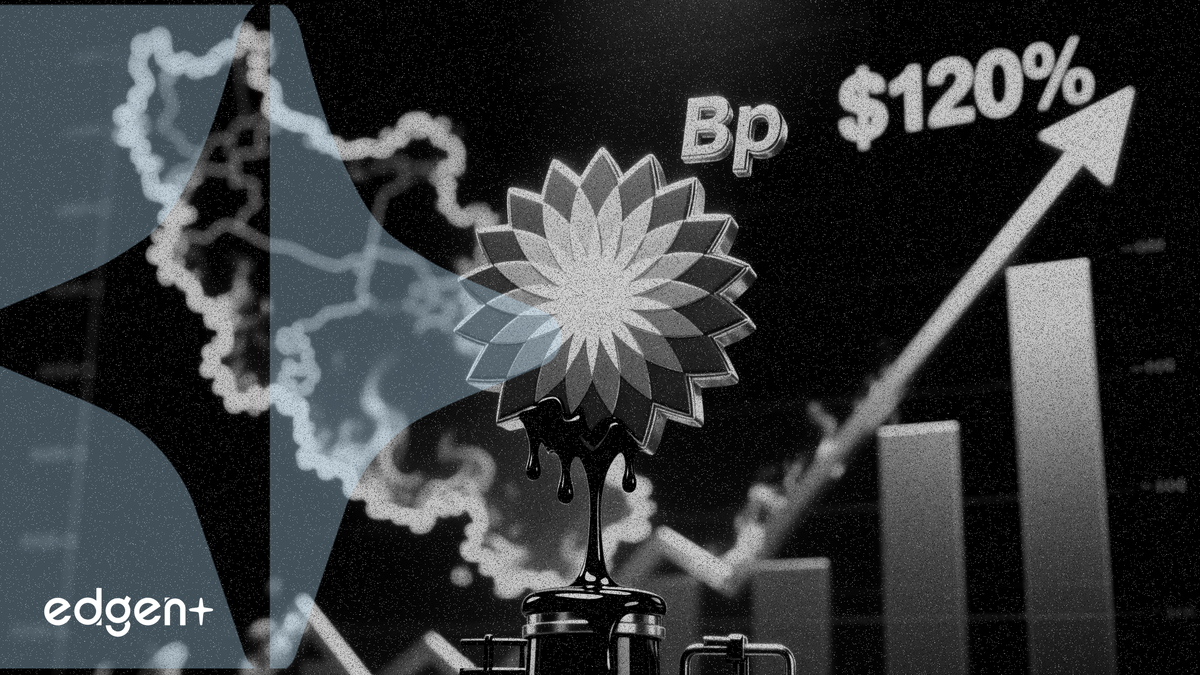
Key Takeaways:
- BP reports stronger-than-expected Q1 2026 profit, citing higher fuel prices.
- Brent crude surges past $120 a barrel amid the ongoing US-Iran conflict.
- The results follow a recent shareholder revolt over the company's climate strategy.
Key Takeaways:

BP Plc reported first-quarter profits that beat analyst expectations, a result of fuel prices surging from the war between the United States and Iran. The conflict has pushed Brent crude prices above $120 a barrel, directly benefiting the energy giant’s bottom line.
In its earnings statement, the company attributed the strong performance to "a significant increase in oil and gas realizations." BP noted that the geopolitical instability had created tight market conditions and price volatility across the energy sector.
The ongoing conflict has severely disrupted shipping through the Strait of Hormuz, a critical chokepoint for global oil supply. Brent crude for June settlement traded as high as $120.50 a barrel on Tuesday. The positive earnings report comes just weeks after BP's board faced a significant shareholder revolt at its annual general meeting concerning its climate transition strategy.
The earnings beat highlights the direct financial upside for major oil producers from sustained geopolitical conflict. While the high prices bolster BP's profitability, they also risk increasing inflationary pressures on the global economy, particularly hitting transportation and manufacturing sectors. Investors will be watching to see how BP navigates the dual pressures of shareholder climate demands and the profitable, yet volatile, fossil fuel market.
The recent surge in oil prices is tied directly to the escalating conflict between the U.S. and Iran, which has traders watching the market closely. Nations are concurrently meeting in Colombia to discuss an accelerated phase-out of fossil fuels, but these long-term talks are being overshadowed by the immediate crisis in the Gulf region.
While the probability of crude oil hitting an all-time high by the end of April remains low according to market data, the situation is fluid. Any statements from OPEC+ or shifts in the diplomatic tone between Washington and Tehran could cause sharp price swings.
This article is for informational purposes only and does not constitute investment advice.