
Bond traders have flooded SOFR derivatives markets at a record pace, fully pricing in a 25-basis-point Federal Reserve rate increase by the end of 2026 after a surprisingly strong US jobs report.
Bond traders have flooded SOFR derivatives markets at a record pace, fully pricing in a 25-basis-point Federal Reserve rate increase by the end of 2026 after a surprisingly strong US jobs report.
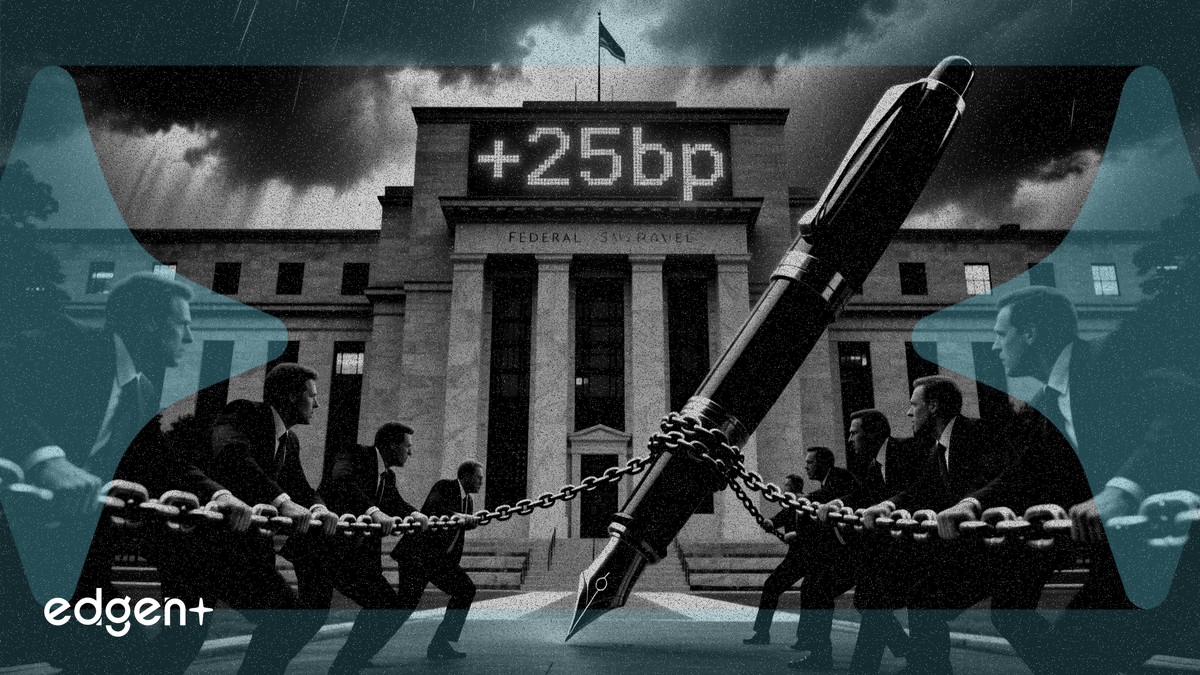
Bond traders flooded the market for SOFR-linked derivatives after Friday's stronger-than-expected US nonfarm payrolls report, pushing futures pricing to fully reflect a 25-basis-point Federal Reserve rate increase by the end of 2026.
The repositioning is visible across both exchange-traded and over-the-counter markets. Speculative hedge fund net short positions on SOFR futures have climbed to an all-time record high, according to CFTC positioning data, while options market volumes surged in the session after the jobs release.
The options flow centered on contracts tied to the secured overnight financing rate, a benchmark closely tracking Fed policy expectations. Traders added significant upside exposure to rate increases across multiple expiration dates, with the heaviest concentration in contracts covering the second half of 2026. The move in derivatives was mirrored in the futures market, where pricing now fully discounts a quarter-point rate increase by year-end — a stark reversal from the rate-cut expectations that prevailed before the jobs data.
A fully priced-in rate hike would mark a hawkish pivot for the Fed, with implications extending well beyond fixed income. Higher policy rates increase borrowing costs across the economy, strengthen the US dollar and put downward pressure on risk assets including equities and cryptocurrencies. The record speculative short positioning in SOFR futures suggests institutional investors see further upside for rates, a conviction that could amplify any sell-off if economic data continues to surprise to the upside.
The jobs report showed the US labor market adding far more positions than economists had forecast, reigniting concerns that inflationary pressures remain embedded in the economy. While the Fed has maintained a data-dependent posture, the strength of the labor market reduces the urgency for policy easing and opens the door to further tightening if price pressures reaccelerate.
The options market activity suggests traders are no longer treating a rate hike as a tail risk but as a base case for late 2026. The concentrated positioning in SOFR contracts — rather than in Eurodollar or Treasury futures — indicates a precise bet on the Fed's policy rate path rather than a broader duration trade. That specificity matters: it means the market is betting on the Fed itself moving, not just on a backup in yields driven by term premium repricing.
For equity markets, the repricing of rate expectations introduces a new headwind. The S&P 500 had rallied in recent months partly on expectations that the Fed would continue easing into 2026. A reversal of that narrative — from cuts to a hike — could force a reassessment of equity valuations, particularly in rate-sensitive sectors such as real estate and utilities. The US dollar, meanwhile, would likely strengthen on a hawkish repricing, adding pressure on emerging-market currencies and dollar-denominated debt.
The next Federal Reserve meeting will offer the first formal opportunity for policymakers to address the shift in market expectations. Updated economic projections and the dot plot — the individual rate forecasts of 19 Fed officials — will be closely watched for any signal that the committee shares the market's hawkish view. If the Fed pushes back against the rate hike narrative, the positioning could unwind quickly, triggering a sharp rally in rate-sensitive assets.
This article is for informational purposes only and does not constitute investment advice.
