

Boeing is studying a production increase to 52 of its 737 MAX jets per month after the FAA approved a hike to 47. The ramp follows the restoration of Boeing's authority to self-certify aircraft after years of regulatory oversight.
Boeing is studying a production increase to 52 of its 737 MAX jets per month after the FAA approved a hike to 47. The ramp follows the restoration of Boeing's authority to self-certify aircraft after years of regulatory oversight.
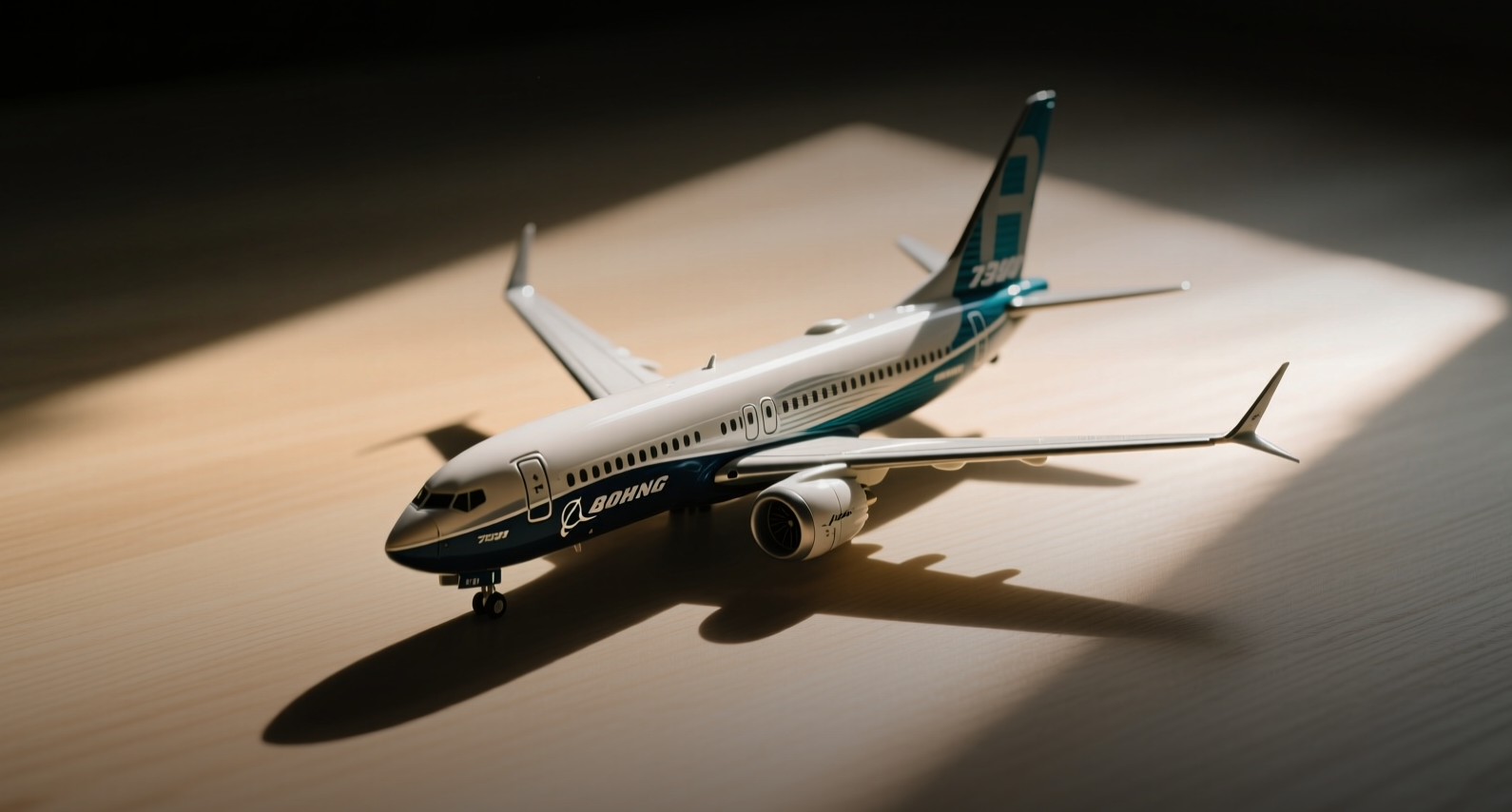
Boeing is studying a production increase to 52 of its 737 MAX jets per month after regulators approved a hike to 47, the head of its commercial airplane unit said.
"Once we get to 47, we'll go to 52, and then we'll just keep studying that," Stephanie Pope, chief executive officer of Boeing Commercial Airplanes, said at a pre-Farnborough Air Show roundtable.
The Federal Aviation Administration in May approved Boeing's increase to 47 planes per month, up from a cap of 38 imposed after a door-plug panel blew off an Alaska Airlines 737 MAX in January 2024. The FAA also recently cleared Boeing to resume issuing airworthiness certificates for the 737 MAX and 787 Dreamliner, ending years of heightened supervision after two fatal crashes that killed 346 people in 2018 and 2019.
Higher production rates would boost Boeing's cash flow and delivery schedule as it competes with Airbus for airline orders. The company's ability to ramp output safely will be a key topic at the Farnborough Air Show starting July 22, where Boeing is expected to announce new orders.
Pope emphasized the importance of safety management systems and risk assessments in the ramp-up process, according to the company. The FAA had stripped Boeing of its authority to self-certify aircraft after the 737 MAX crashes. The agency began easing production limits last September, allowing Boeing to alternate issuing airworthiness certificates with the FAA every other week before fully restoring the authority this month.
"Safety drives everything we do," FAA Administrator Bryan Bedford said Friday, "and this step forward is only possible because we are confident it can be done safely."
The FAA's decision to restore Boeing's certification authority followed months of review. "The FAA has seen comparable production quality findings when Boeing issued airworthiness certificates and when the FAA issued them," the agency said in a statement. "Based on these results, the FAA determined it can safely return this responsibility to Boeing."
The production ramp signals Boeing's confidence in its safety systems after years of regulatory scrutiny. Investors will watch the Farnborough Air Show starting July 22 for order announcements and further production timeline details. Suppliers in the aerospace supply chain, including Spirit AeroSystems and GE Aerospace, stand to benefit from higher production rates as Boeing increases output.
Boeing shares have gained this year as the company gradually restored production and regained regulatory trust. The stock remains below levels seen before the door-plug incident in January 2024, reflecting the long road to full recovery. A sustained ramp to 52 planes per month would mark a significant milestone in Boeing's comeback, potentially adding billions in annual revenue.
The 737 MAX is Boeing's best-selling aircraft and a critical source of cash for the company. Airlines including United Airlines, Southwest Airlines, and Ryanair have large outstanding orders for the narrowbody jet and have pressed Boeing to accelerate deliveries. Each additional plane delivered per month represents roughly $50 million to $60 million in revenue for Boeing, based on list prices.
This article is for informational purposes only and does not constitute investment advice.
