

Key Takeaways:
- BNB rose 7.9% over the weekend but faces structural re-rating pressure
- Exchange tokens are being repriced from safe-haven assets to high-risk equity
- CRO, OKB and BGB face similar repricing risk if the narrative gains traction
Key Takeaways:
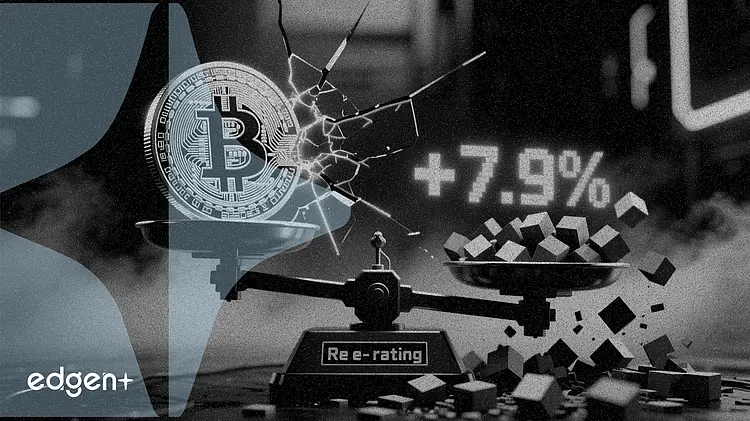
Exchange tokens are being re-priced as high-risk equity tied to opaque corporate entities, ending their status as crypto's safe-haven assets.
BNB rose 7.9% over the weekend to lead the CoinDesk 20, yet the gain masked a structural shift: exchange tokens are losing their safe-haven premium.
"The market no longer prices these assets as implicit senior debt," the analysis from crypto-economy.com said. "It prices them as high-risk equity tied to opaque corporate entities."
The CoinDesk 20 index traded at 1,993.65 as of Sunday, up 0.2% since Friday's close, with BNB and XLM as the top performers. Seven of the 20 assets in the broad-based index traded higher, while NEAR fell 7.3% and BCH dropped 6.8%. BNB's weekend gain came despite the broader structural concerns, highlighting the tension between short-term trading dynamics and long-term investor sentiment.
If the re-rating narrative gains traction, BNB and other exchange tokens including CRO, OKB and BGB could face sustained selling pressure as investors adjust risk premiums. The shift threatens to compress valuations across centralized exchange-native tokens, potentially impacting trading volumes and liquidity across major platforms.
What Changed for Exchange Tokens
The structural thesis rests on a fundamental change in how investors perceive exchange tokens. During the 2021-2024 cycle, BNB and its peers traded with a risk profile closer to corporate bonds than equities, supported by exchange revenue streams and token buyback mechanisms. That premium is now eroding as regulatory scrutiny intensifies and exchange business models face margin compression from increased competition and fee wars.
BNB's weekend gain of 7.9% came as part of a broader crypto market bounce, with Stellar's XLM rising 14.1% as the top performer. Yet BNB remains well below its 2025 highs, and the structural concerns outlined in the analysis suggest the recovery may be short-lived. The token's price action reflects a market that is still pricing in the old safe-haven narrative even as the fundamental thesis shifts.
Broader Implications for Centralized Exchange Tokens
The re-rating has implications beyond BNB. If investors begin treating all exchange tokens as high-risk equity, centralized exchanges could see their native tokens trade at a persistent discount, reducing the financial incentive for token-based loyalty programs and fee discount structures. CRO, the native token of Crypto.com, OKB from OKX and BGB from Bitget all face similar repricing risk, according to the analysis.
The shift also raises questions about the tokenomics of exchange-native assets. Many of these tokens rely on periodic buyback and burn mechanisms that derive their value from exchange profitability. If the market discounts those future cash flows at a higher rate — treating them as equity rather than senior claims — the present value of those mechanisms declines, potentially accelerating selling pressure.
This article is for informational purposes only and does not constitute investment advice.
