

Hydrogen fuel cells are finally entering the mainstream as an option for powering artificial intelligence data centers, and Bloom Energy is positioned at the center of this shift.
Hydrogen fuel cells are finally entering the mainstream as an option for powering artificial intelligence data centers, and Bloom Energy is positioned at the center of this shift.
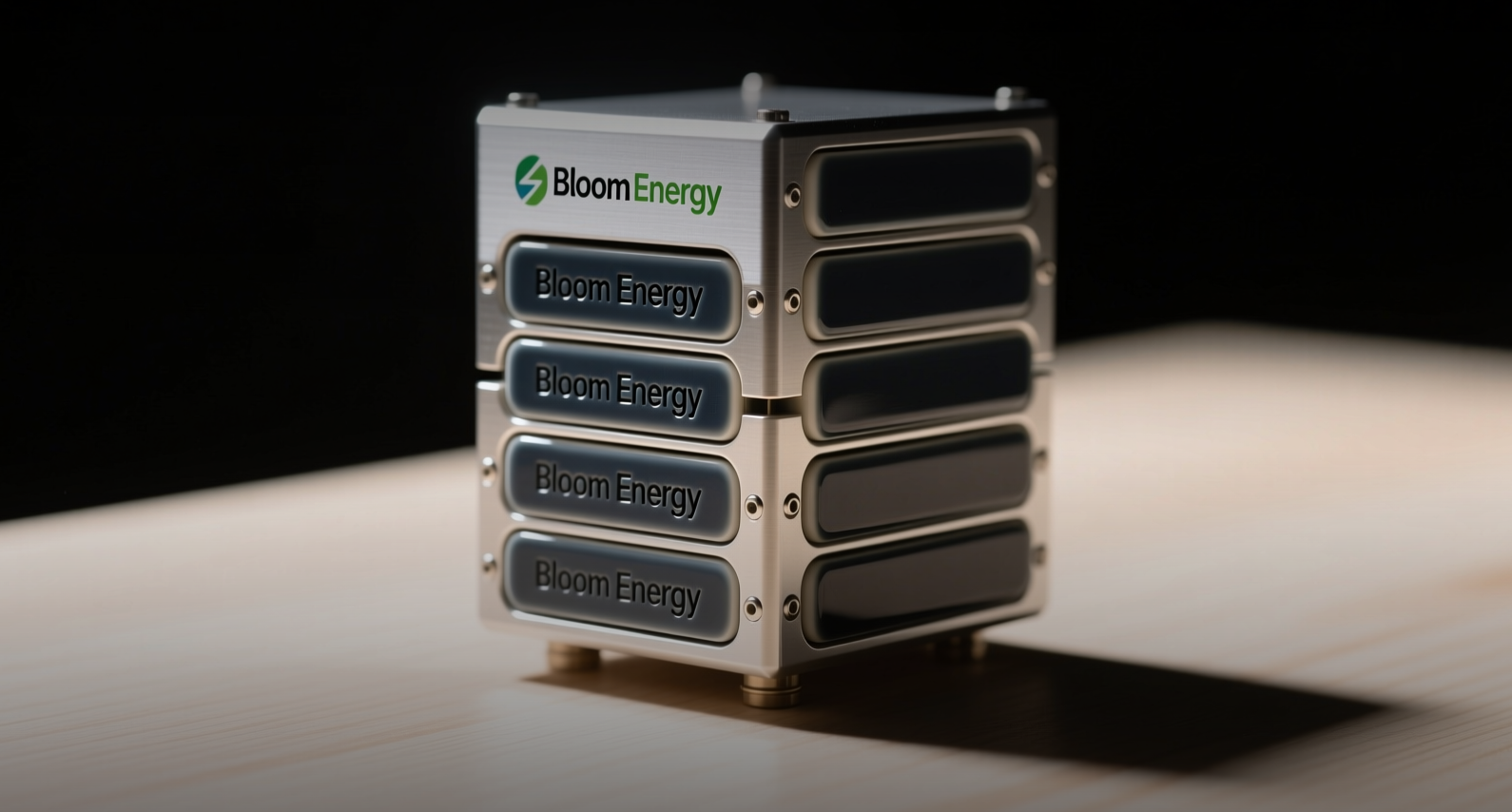
Hydrogen fuel cells have spent years on the periphery of the energy industry, dismissed as too expensive and too niche for broad adoption. The AI data center boom is changing that calculation — and Bloom Energy is emerging as the clearest beneficiary.
"Hydrogen fuel cells are finally entering the mainstream as an option for powering artificial intelligence data centers," said a spokesperson for Bloom Energy. "Now that the proverbial floodgates are open, investors will have little choice but to notice the companies making the noise."
The evidence is mounting. Investment manager Brookfield Asset Management quintupled its initial $5 billion commitment to Bloom Energy's power infrastructure to $25 billion in late June. Oracle more than doubled its power requirement from Bloom's onsite fuel cell solutions, from 1.2 gigawatts to 2.8 gigawatts. ECL, an AI data center company, signed a contract to deploy 300 megawatts of hydrogen fuel cells from Sweden's PowerCell. Siemens and FuelCell Energy agreed to co-develop distributed energy solutions for data centers, days after FuelCell Energy struck a similar deal with Fit Energy USA.
The shift matters because data center electricity demand is colliding with grid constraints. Bloom's solid-oxide fuel cells can run on natural gas, biogas, or hydrogen, giving customers flexibility that pure-hydrogen systems lack. The company generated more than $2 billion in revenue in fiscal 2025, up 37% from the prior year, and analysts expect revenue to reach $3.75 billion in fiscal 2026 — an 85% jump. Wall Street projects a swing to net income of about $440 million, compared with a net loss of $88.4 million in fiscal 2025.
Why hydrogen now and not before
The economics of fuel cells have improved as data center operators face a more urgent problem: they cannot get enough grid power fast enough. Traditional utility interconnection timelines stretch five to seven years. Onsite fuel cells can be deployed in months. Mordor Intelligence projects the fuel cell market will grow 37% annually through 2031, a pace that reflects the demand pull from hyperscale AI buildouts.
Bloom's technology also benefits from a fuel-flexibility advantage. While Plug Power focuses on green hydrogen — which remains expensive and supply-constrained — Bloom's solid-oxide systems can use natural gas today and switch to hydrogen as infrastructure develops. That pragmatic approach has won contracts from customers who need power now, not after the hydrogen economy arrives.
What this means for investors
Bloom Energy shares have fallen about 40% from their late-June peak, a pullback that reflects lingering skepticism about fuel cell economics. But the deal flow tells a different story. The Brookfield expansion alone represents a fivefold increase in committed capital, and Oracle's doubling of its power requirement signals that early adopters are scaling rather than piloting.
The risk is customer concentration. Oracle and Brookfield account for a significant share of Bloom's forward pipeline, and any slowdown in AI data center buildout would hit demand directly. The company also carries a debt-to-equity ratio of about 3.9 times, though positive free cash flow of $57.2 million in fiscal 2025 suggests the business model is becoming self-sustaining.
For investors, the question is whether Bloom Energy is being valued as a niche clean energy company or as a critical AI infrastructure supplier. The current market cap implies the former. The deal flow suggests the latter. If the contracts continue to convert at the current pace, the re-rating may happen whether the market is ready or not.
This article is for informational purposes only and does not constitute investment advice.
