

Key Takeaways:
- US forces struck Iranian launchers on Larak Island, the first strike since late July
- Brent crude rose 2.5% to $90.32 while stocks slipped on supply fears
- Bitcoin held steady, remaining August's best-performing asset
Key Takeaways:
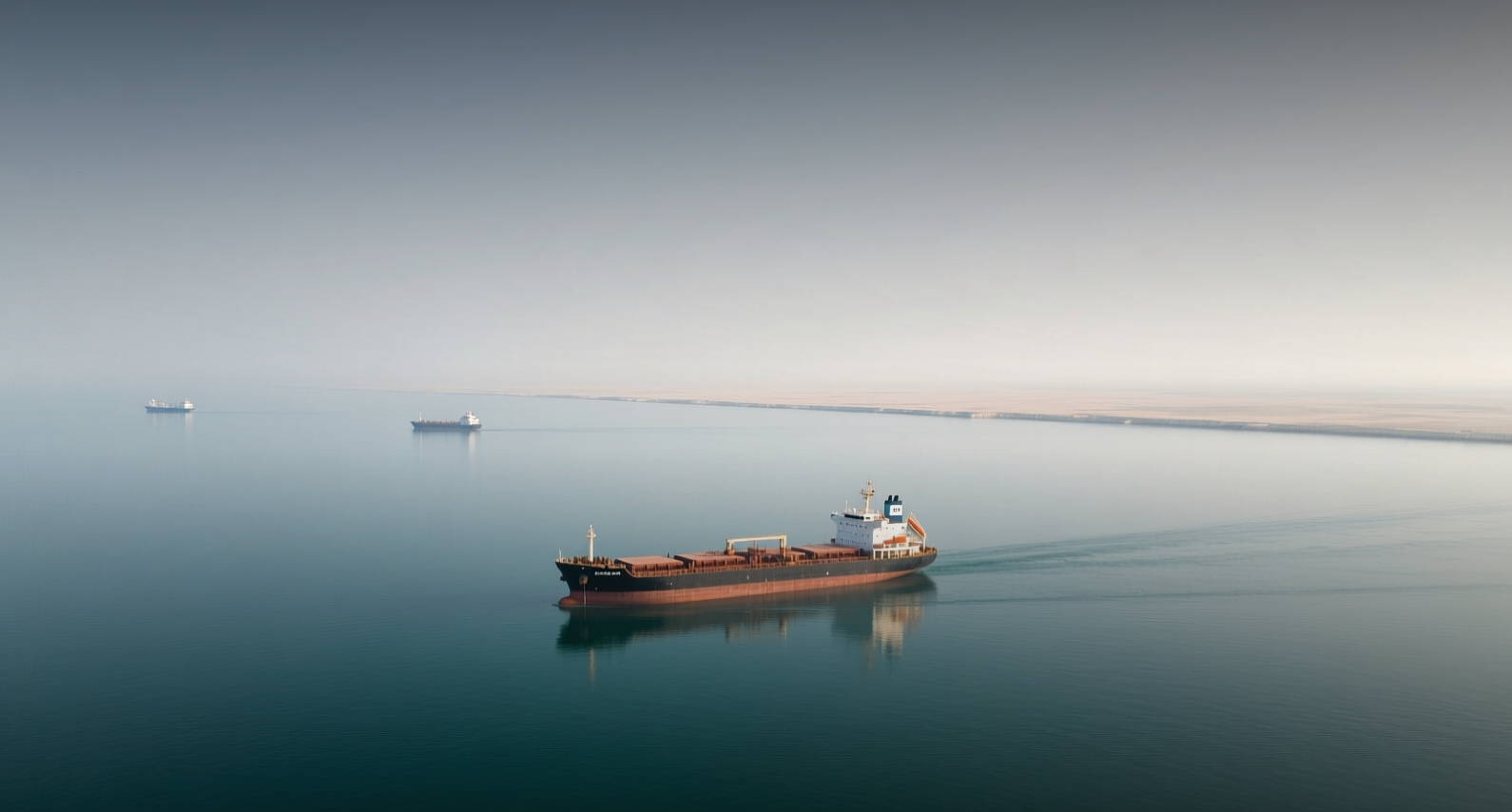
Bitcoin traded flat Monday as US strikes on Iran sent Brent up 2.5% to $90.32 and stocks lower, keeping BTC August's best-performing asset.
"Supply risk will persist and oil inventories will continue to deplete in the coming weeks and months," Tamas Varga, analyst at PVM Oil Associates, said. "The Iranian crisis has likely changed the security status quo in the Middle East."
US Central Command confirmed it struck two Iranian launchers on Larak Island on Sunday, the first publicly acknowledged American strike on Iranian positions since late July. Islamic Revolutionary Guard Corps forces were observed preparing to launch rockets with sea mines into the strait, which carries one-fifth of the world's oil and liquefied natural gas. Iran's Revolutionary Guards said it responded with attacks on US military bases in Jordan. Brent crude for November delivery climbed $2.22 to $90.32 a barrel, while WTI for October rose $2.01 to $85.41.
Bitcoin's muted reaction contrasts with traditional markets, where the escalation pushed equities lower. The divergence makes BTC a potential diversifier for investors seeking non-correlated assets, though prolonged conflict could eventually pressure digital assets as liquidity tightens. Brent has risen about 22 percent since the war began Feb. 28, from $72 to $88 a barrel, and further escalation could sustain higher energy prices into the fourth quarter.
The strike marks the first US military action against Iran in over a month, following a shift toward economic pressure aimed at squeezing Iran's economy. Iranian Foreign Minister Abbas Araghchi said Friday that resuming diplomatic engagement with the US is "not impossible" after what he described as "creative discussions" with conflict mediator Qatar, but added that progress "depends on the US understanding a simple fact: pressure does not work."
For crypto markets, the key question is whether Bitcoin's resilience holds if the conflict escalates further. The Strait of Hormuz remains largely closed to commercial traffic despite a temporary maritime route agreed between Iran and Oman last week, and Iran says the strait will not fully reopen until the US fulfills commitments under a lapsed interim peace deal. With energy infrastructure across the Gulf accounting for nearly half of all strikes on nonmilitary targets since the war began, supply disruptions could persist well into the fourth quarter. Bitcoin's August performance as the top asset across major markets suggests investors are treating it as a hedge against geopolitical risk, a role that could strengthen if traditional markets remain volatile. The next test for BTC comes as the US and Iran weigh further diplomatic engagement, with any breakthrough potentially easing oil prices and reducing the risk premium that has supported energy markets since February.
This article is for informational purposes only and does not constitute investment advice.
