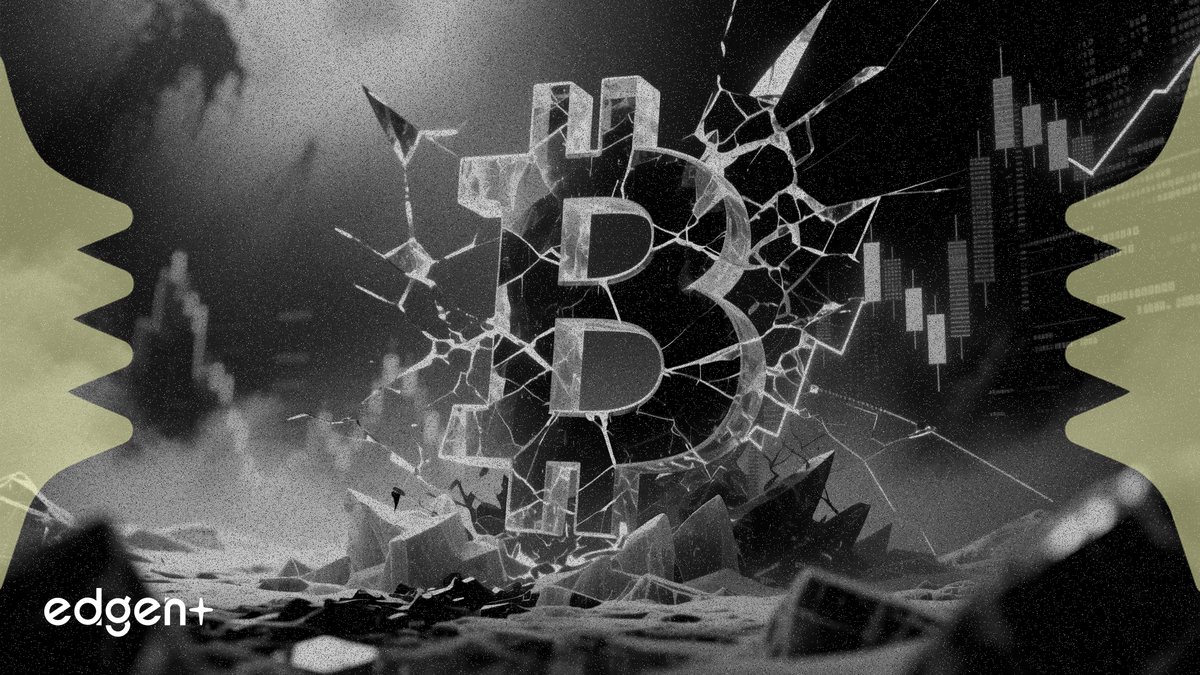
A debate over freezing 5.6 million long-dormant bitcoin has created a potential crisis for the network, pitting its core principle of immutability against the existential threat of quantum computing. The discussion has moved from developer mailing lists to institutional risk assessments, with analysts warning a protocol-level freeze could trigger a catastrophic repricing.
"Freezing any coins, even ‘lost’ ones, tells the market that all (roughly) 19.8 million BTC currently in circulation are conditionally owned,” said Samuel "Chad" Patt, founder of Op Net. “Institutional risk desks do not care about the reason, they care about the precedent.”
The controversy centers on an estimated 5.6 million BTC, valued at approximately $440 billion, held in legacy wallets that are most vulnerable to future quantum attacks. A proposal, BIP-361, co-authored by developer Jameson Lopp, contemplates a phased migration that could ultimately freeze assets in wallets that fail to upgrade. Lopp has argued he would prefer to see the dormant bitcoin frozen than stolen by quantum hackers.
The outcome could redefine Bitcoin’s promise of censorship-resistant ownership. A forced freeze could trigger mandated unwinding from institutional funds that allocated capital based on the censorship-resistance thesis. Inaction, however, leaves billions at risk of being stolen once a cryptographically relevant quantum computer (CRQC) comes online, a dilemma that has already prompted reactions from major financial players.
The Case for a Controversial Freeze
Supporters of the proposal argue that the risk from quantum computing—which could theoretically break Bitcoin's current encryption—is an existential threat that justifies difficult tradeoffs. Google’s Quantum AI team has set an internal target for post-quantum readiness at 2029, and has warned that bad actors could be harvesting encrypted data now to decrypt later.
“It’s extremely challenging to build systems that are truly future-proof, and while Bitcoin has come quite close, quantum may pose a threat that requires tradeoffs participants won’t be happy with,” said Ken Kruger, founder and CEO of Moon Technologies.
Market analyst Jason Fernandes, a self-described pragmatic maximalist, believes a successful quantum attack would trigger a far more severe repricing than a preventative freeze. “Framing this as a question of purity misses the bigger issue: quantum risk is an existential threat to the system, not a philosophical debate,” Fernandes said, noting that the risk of inaction far outweighs concerns about precedent.
Immutability at All Costs
Opponents argue that freezing assets, for any reason, would shatter Bitcoin’s core value proposition of inviolable property rights and unconditional ownership. This, they claim, would cause a far more certain and immediate market crash than the still-theoretical quantum threat.
“Bitcoin’s repricing would be instant, not gradual and would be the worst single day in bitcoin's history,” Patt said, arguing that fund managers would be forced to unwind their positions by mandate.
This view is echoed by others who believe defending Bitcoin cannot come at the cost of its foundational principles. “You don't defend Bitcoin by breaking its core promise of inviolable property rights,” said Kent Halliburton, CEO of SazMining. He and others advocate for voluntary migration and better tooling rather than what they see as “protocol-level confiscation.”
The debate highlights a fundamental schism within the community. While some see a technical solution to a future problem, others see a philosophical betrayal that would permanently damage the network's credibility. As institutions like Jefferies and Michael Saylor's Strategy begin to formally address quantum risk, the pressure for the decentralized network to reach a consensus is mounting.
This article is for informational purposes only and does not constitute investment advice.