


Key Takeaways
- 地政学的緊張が高まる中、ビットコインとイーサリアムは20%以上の利益を記録し、2桁の損失を出した貴金属とは対照的な動きを見せました。
- ビットコイン現物ETFへの11億ドルを超える純流入が大きな需要を生み出し、投資家の資本移動に伴う価格の下支えとなりました。
- このパフォーマンスの乖離は、安全資産のダイナミクスの変化を示唆しており、流動性と24時間アクセス可能な点が従来のヘッジ手段よりもデジタル資産に有利に働いています。
Key Takeaways
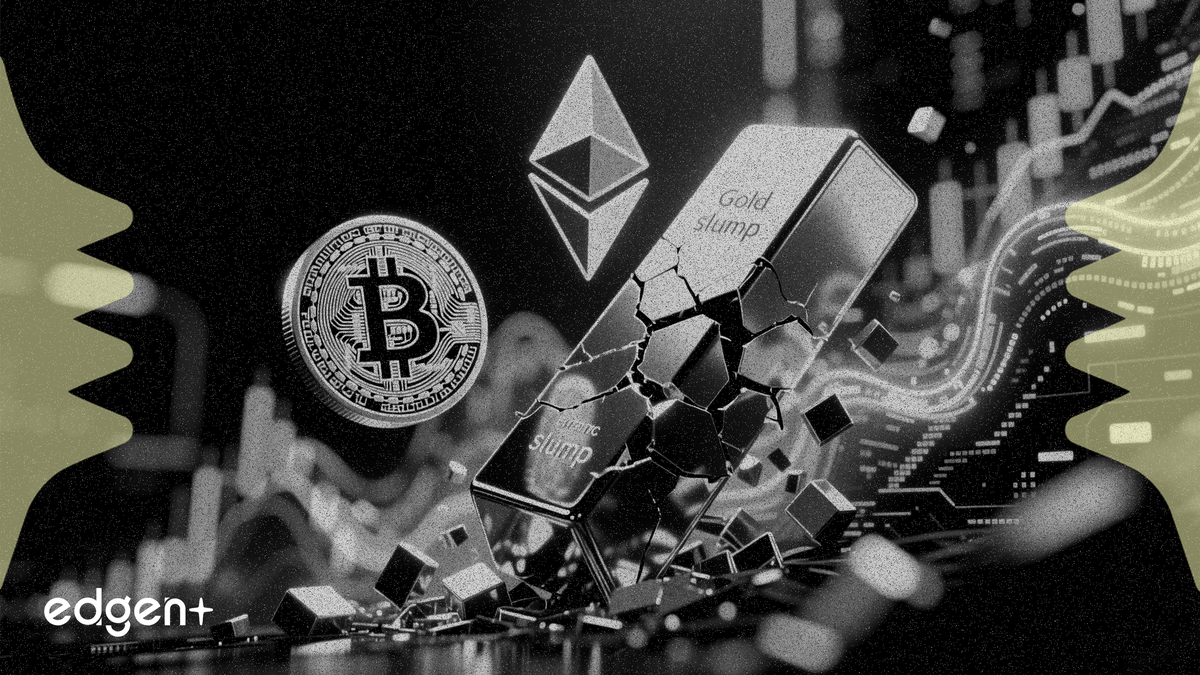
ビットコイン(BTC)とイーサリアム(ETH)は、最近の地政学的緊張の中で顕著な強さを示し、金や銀などの伝統的な安全資産が下落する一方で、両資産とも20%以上上昇しました。この動きは、世界的な不確実性の中での主要なヘッジ手段としての貴金属の長年の役割に疑問を投げかけており、データは投資家が現在、流動性と継続的な市場アクセスを優先していることを示唆しています。
「恐怖に基づく取引に代わって流動性が流入したため、金属が下落する一方で暗号資産は反発した」と、広く流通している市場メモは述べており、資産間行動の変化を捉えています。このダイナミクスは、新しい金融商品を通じた堅調な機関投資家の需要によって支えられました。
複数の市場分析データによると、緊張期間中、ビットコインは23.46%上昇して7万8,000ドル近辺で取引され、イーサリアムは24.38%上昇しました。対照的に、金は14.12%下落し、銀は21.21%急落しました。この乖離は、米国を拠点とするビットコイン現物ETFへの11億ドルを超える純流入によって支えられ、これが安定した需要源となりました。オンチェーンデータはさらに、1,000 BTC以上を保有するウォレットが過去30日間に27万 BTCを取得したことを明らかにしました。これは2013年以来最大の月間蓄積量です。
デジタル資産の反発は、投資家が長期的な危機ではなく金融緩和と政策の安定を予想し、よりベータ値の高い資産への配分を促したことを示唆しています。暗号資産市場の24時間365日の性質は、伝統的な市場と比較してより迅速な価格発見を可能にしており、この機能が大きな利点となったようです。ビットコインの次の主要な試練は、8万ドルから200日移動平均線の8万2,228ドルの間の抵抗帯です。
市場のローテーションは、根強いマクロ経済的圧力の背景の中で起こりました。米国の個人消費支出(PCE)価格指数は前年比3.5%の上昇を記録し、近い将来の利下げの可能性が低下したため、通常はリスク資産への意欲が減退します。同時に、中東での地政学的緊張の高まりは、伝統的な市場における広範なリスクオフセンチメントに寄与しました。
しかし、投資家は金に殺到する代わりにデジタル資産を好む傾向にありました。金の価格動向は、アナリストが「混み合ったポジショニング」と表現するものによって妨げられ、地政学的な触媒が現れた際、新規の流入ではなく利益確定売りにつながりました。一方、暗号資産は将来の流動性への期待や、伝統的な市場時間に依存しないという利点を享受しました。
表面上のパフォーマンスは強力でしたが、デリバティブやオンチェーンデータを詳しく見ると、より複雑な状況が浮かび上がります。イーサリアムについては、より広範な無期限先物市場でテイカーの売買比率がニュートラルを下回り、ファンディングレートがマイナスとなっており、多くのトレーダーの間で短期的な悲観的予想があることを示しています。しかし、バイナンス(Binance)取引所のデータは強気のダイバージェンスを示しており、そのテイカー売買比率は1を超えて上昇しており、ユーザーの間でより積極的な買い行動が行われていることを示唆しています。
より広範なデジタル資産エコシステムもストレスの兆候を示しました。分散型金融(DeFi)セクターは3週間足らずで6億600万ドル以上の損失を出し、記録上最悪の月となりました。主にエクスプロイト(脆弱性攻撃)に起因するこれらの損失には、Aaveプロトコルにおける推定2億4,600万ドルの不良債権が含まれており、暗号資産空間における根強いインフラリスクを浮き彫りにしています。
この記事は情報提供のみを目的としており、投資アドバイスを構成するものではありません。
