

Một báo cáo mới cáo buộc một nhà tài chính chủ chốt của Iran đã chuyển hơn 850 triệu USD thông qua Binance, làm trầm trọng thêm các thách thức pháp lý của sàn giao dịch khi các nhà chức trách Mỹ tăng cường thực thi lệnh trừng phạt.
Một báo cáo mới cáo buộc một nhà tài chính chủ chốt của Iran đã chuyển hơn 850 triệu USD thông qua Binance, làm trầm trọng thêm các thách thức pháp lý của sàn giao dịch khi các nhà chức trách Mỹ tăng cường thực thi lệnh trừng phạt.
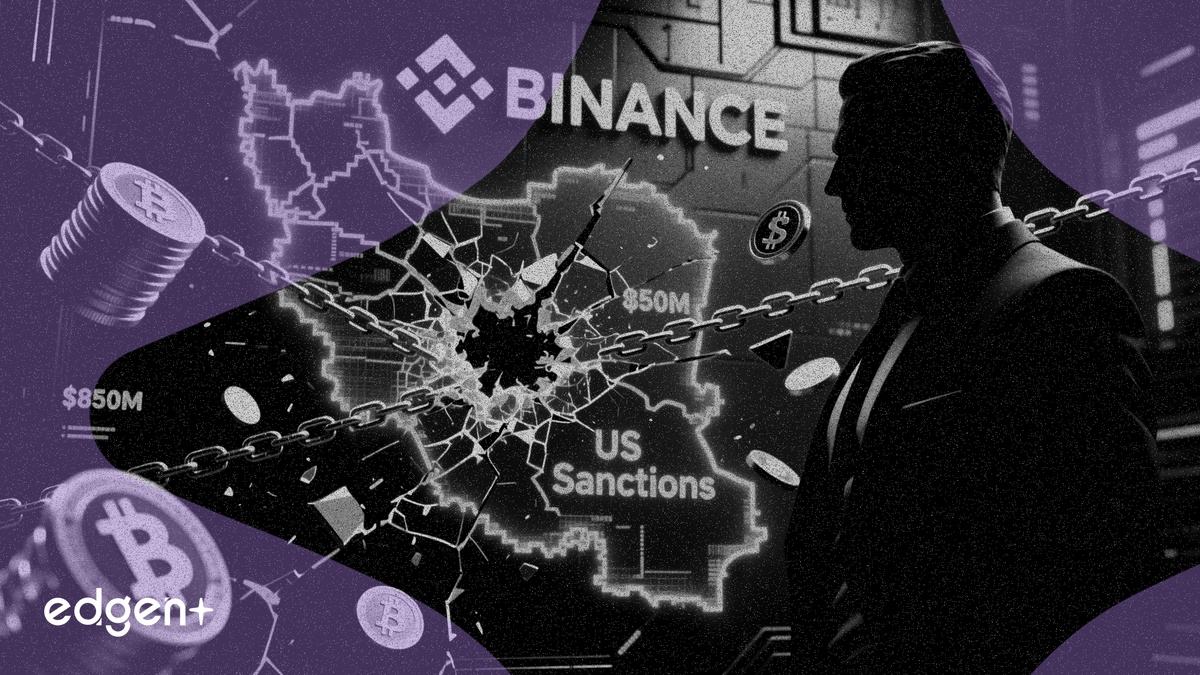
Một nhà tài chính Iran bị trừng phạt đã bí mật chuyển 850 triệu USD qua Binance, theo một báo cáo ngày 21 tháng 5, làm leo thang áp lực pháp lý lên sàn giao dịch tiền điện tử lớn nhất thế giới. Hoạt động này, do nhà điều hành tự xưng là “chống trừng phạt” Babak Zanjani điều hành, đã được nêu chi tiết trong các báo cáo tuân thủ nội bộ của Binance do The Wall Street Journal xem xét và đưa tin.
Mạng lưới của Zanjani đã xử lý các khoản tiền trong hơn hai năm, chủ yếu thông qua một tài khoản duy nhất vẫn hoạt động trong ít nhất 15 tháng sau khi bị gắn cờ vì trốn tránh lệnh trừng phạt. Báo cáo này theo sau việc đóng băng 344 triệu USD stablecoin USDT từ các ví liên kết với Iran bởi chính quyền Kho bạc Mỹ và Tether vào ngày 24 tháng 4.
Những tiết lộ này làm tăng cường rủi ro pháp lý cho Binance và nhấn mạnh mối quan hệ ngày càng tăng giữa địa chính trị và quy định tiền điện tử. Đối với các nhà đầu tư, nó làm nổi bật tính dễ bị tổn thương của các nền tảng tập trung trước việc thực thi lệnh trừng phạt, vốn có thể dẫn đến việc đóng băng tài sản ngay lập tức và tăng gánh nặng tuân thủ trên toàn thị trường.
Báo cáo từ Journal phác thảo một sự thất bại đáng kể trong việc tuân thủ, lưu ý rằng mạng lưới của Zanjani bao gồm các tài khoản được điều hành bởi một người chị gái, một đối tác lãng mạn và một giám đốc công ty, tất cả đều được truy cập từ cùng một thiết bị. Mô hình này đã bị chính các nhà điều tra của Binance gắn cờ là bằng chứng rõ ràng về nỗ lực phối hợp nhằm trốn tránh các lệnh trừng phạt của Mỹ. Bất chấp những cảnh báo nội bộ này, tài khoản chính vẫn tiếp tục hoạt động.
Sự cố này phù hợp với một mô hình rộng lớn hơn của các thực thể Iran sử dụng tài sản kỹ thuật số để điều hướng xung quanh hệ thống tài chính truyền thống. Đến cuối năm 2025, hệ sinh thái tiền điện tử của Iran đã tăng trưởng lên mức khối lượng giao dịch hàng năm ước tính là 7,8 tỷ USD, khiến nó trở thành trọng tâm chính của các cơ quan quản lý quốc tế. Trong một tuyên bố, Binance cho biết họ "không khoan nhượng đối với hoạt động bất hợp pháp" và đã nỗ lực tăng cường các quy trình tuân thủ của mình.
Các tiết lộ về Binance diễn ra vào thời điểm quan trọng trong quan hệ Mỹ-Iran, với các cuộc đàm phán ngừng bắn mong manh đang diễn ra. Việc sử dụng tiền điện tử đã trở thành một điểm gây tranh cãi trung tâm. Iran đã công khai đề xuất thu phí quá cảnh cho các tàu chở dầu ở eo biển Hormuz bằng tiền điện tử, một động thái nhằm né tránh hệ thống tài chính dựa trên đồng đô la.
Điều này đã thúc đẩy một phản ứng quyết liệt từ chính quyền Mỹ. Việc đóng băng 344 triệu USD USDT liên kết với Iran vào tháng 4 là một trong những hành động lớn nhất từ trước đến nay. Đối với thị trường tiền điện tử, tình hình tạo ra một động lực phức tạp. Giá Bitcoin đã cho thấy sự nhạy cảm với tin tức từ các cuộc đàm phán Mỹ-Iran, tăng điểm trước các dấu hiệu về một thỏa thuận hòa bình tiềm năng có thể làm giảm rủi ro địa chính trị. Tuy nhiên, chính cuộc khủng hoảng đó cũng đang thúc đẩy một cuộc đàn áp pháp lý làm tăng rủi ro cho các sàn giao dịch và nhà đầu tư, những người có thể vô tình tương tác với các khoản tiền bị trừng phạt.
Bài viết này chỉ nhằm mục đích cung cấp thông tin và không cấu thành lời khuyên đầu tư.
