
A multi-billion dollar pivot is underway as energy majors redirect capital to far-flung prospects, hedging against escalating turmoil in the Middle East.
A multi-billion dollar pivot is underway as energy majors redirect capital to far-flung prospects, hedging against escalating turmoil in the Middle East.
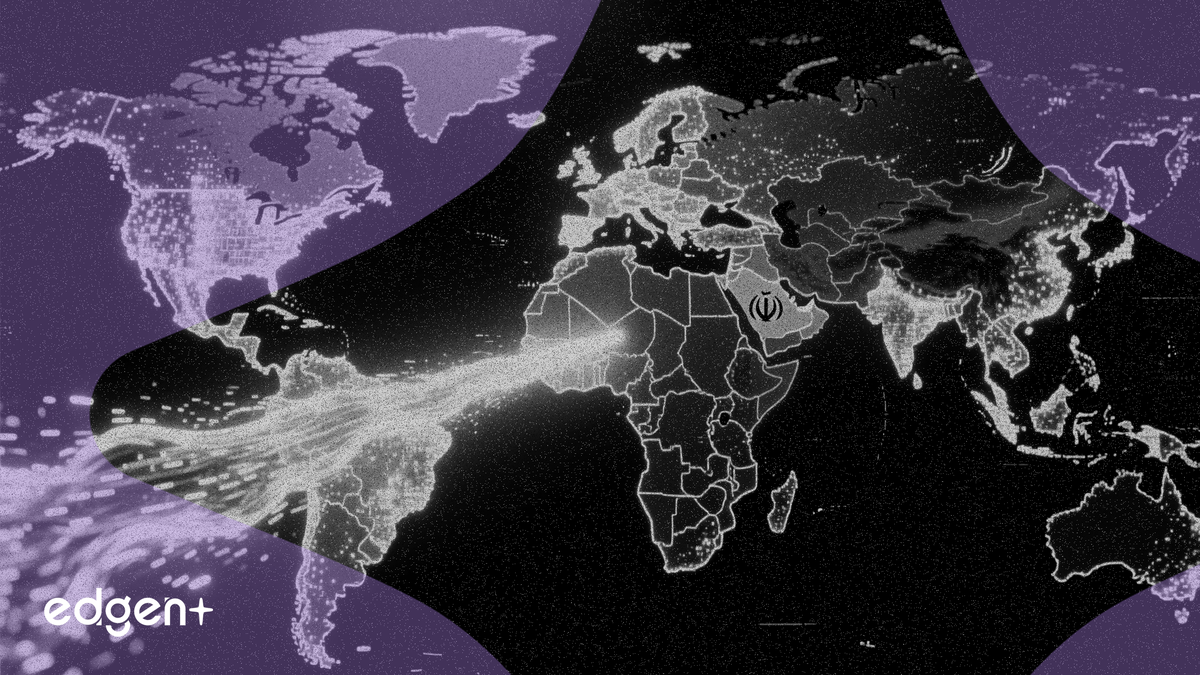
Exxon Mobil Corp. and Chevron Corp. are leading a multi-billion dollar investment shift towards deepwater projects in South America and Africa, aiming to insulate their future production from rising geopolitical risks centered on Iran and the Strait of Hormuz.
"This strategic diversification is a direct response to the increasing volatility in the Middle East," said an industry analyst. "Companies are now demanding a higher geopolitical risk premium for projects in that region, making stable, long-cycle assets in the Western Hemisphere and parts of Africa more attractive."
The move involves significant capital allocation towards countries like Guyana, where Exxon has committed over $12 billion to its Stabroek Block, and Namibia, a new frontier for offshore exploration. This contrasts with a cautious stance in the Persian Gulf, where recent tanker seizures and drone attacks have highlighted the vulnerability of crude shipments passing through the Strait of Hormuz, a chokepoint for a fifth of global oil supply.
This capital reallocation could reshape global energy maps over the next decade, potentially reducing the world's reliance on Middle Eastern crude while boosting the economies of emerging producers in the Americas and Africa. For investors, it signals a long-term strategy by oil majors to de-risk their supply chains, potentially making their stocks more resilient to geopolitical shocks even if it means higher upfront exploration costs.
The flight to geopolitical safety is not just a reaction to recent headlines but a calculated, long-term strategy. Companies are scrutinizing their portfolios for assets that can deliver reliable production for decades, insulated from the flashpoints of global conflict. The massive discoveries in Guyana, estimated to hold more than 11 billion barrels of oil equivalent, provide a template for this new focus. Exxon and its partners are developing the area at a pace rarely seen in the industry, with multiple floating production, storage, and offloading (FPSO) vessels already online or planned.
Africa is re-emerging as a key target for this diversification. Chevron is actively exploring offshore prospects in Namibia, joining other international players in a region that has shown promise for significant reserves. These projects, while technically challenging and expensive, offer the allure of vast, untapped resources in jurisdictions perceived as more stable than the Middle East. The investments are a bet that these new barrels will be crucial for meeting global energy demand in the 2030s and beyond, especially as production from older fields declines.
The strategic pivot comes with its own set of challenges. Deepwater exploration requires billions in upfront investment and years of development before production begins. However, the calculus for Big Oil has changed. The risk of a major disruption to their core operations in the Middle East now outweighs the technical and financial hurdles of these new frontiers. This shift underscores a fundamental belief within the industry: the era of concentrated risk in the Persian Gulf is giving way to a new age of global energy diversification.
This article is for informational purposes only and does not constitute investment advice.