State Backs $500M Fund to Monetize Hydropower
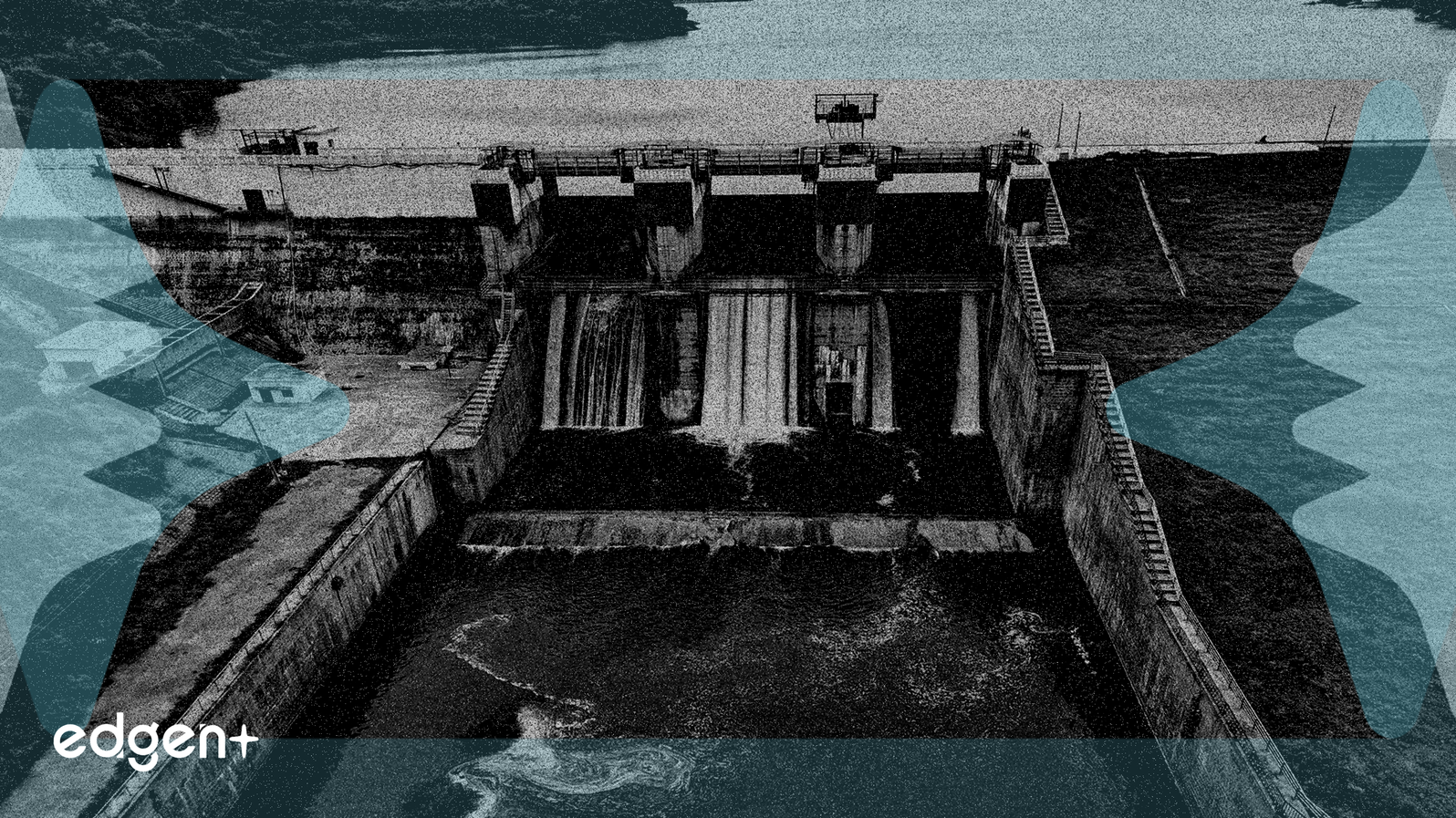
The government of Bhutan is executing a state-directed strategy to turn excess renewable energy into a national financial asset. The initiative is spearheaded by Druk Holding and Investments (DHI), the commercial investment arm of the royal government. A key component of this strategy is a partnership with the mining firm Bitdeer, announced in May 2023, which intends to launch a closed-end fund of up to $500 million. This fund is dedicated to developing carbon-free digital asset mining operations that capitalize on Bhutan's significant hydropower capacity.
This move formalizes Bhutan's quiet entry into the digital asset space, which DHI's CEO confirmed began in 2019. The nation views its abundant hydropower as "computing fuel," converting surplus electricity that would otherwise be curtailed into a liquid digital asset. According to senior officials, profits from these crypto-related activities have already been used to help pay government salaries for the past two years, demonstrating the strategy's direct fiscal impact.
Bitcoin Used as a Strategic 33,000 MW "Battery"
Bhutanese officials frame their Bitcoin holdings as a strategic financial buffer, likening it to a "battery" for their seasonal power grid. The country has a techno-economically viable hydropower potential of 33,000 megawatts (MW) but a domestic demand of only around 1,000 MW, creating a massive surplus. The strategy involves using this excess energy to mine Bitcoin when river flows are high and converting the digital asset back into currency for imports or electricity when generation is lower. This approach turns otherwise wasted renewable generation into a liquid reserve asset.
The scale of the underlying energy infrastructure is substantial. In November 2025, the 1,020-MW Punatsangchhu-II hydropower project was inaugurated, further expanding the country's energy surplus. Blockchain analytics firm Arkham previously estimated that Bhutan's state-linked mining operations generated approximately $750 million in revenue in 2024, though these on-chain figures are not official government disclosures.
Central Bank Confines Crypto to Regulated Zone
To manage financial risks, Bhutan’s central bank, the Royal Monetary Authority (RMA), is implementing a strictly controlled regulatory framework. In a notice issued on April 30, 2025, the RMA stated that crypto mining and exchanges would be permitted only for entities registered within the Gelephu Mindfulness City (GMC). This designated special jurisdiction acts as a regulatory sandbox, isolating the digital asset economy from the broader domestic financial system.
This structure limits participation to approved business partners operating under the GMC framework, effectively preventing open retail speculation. The policy underscores Bhutan's focus on institutional and sovereign use rather than widespread public adoption. This controlled environment allows the government to leverage blockchain for economic development while containing potential volatility and financial crime risks.