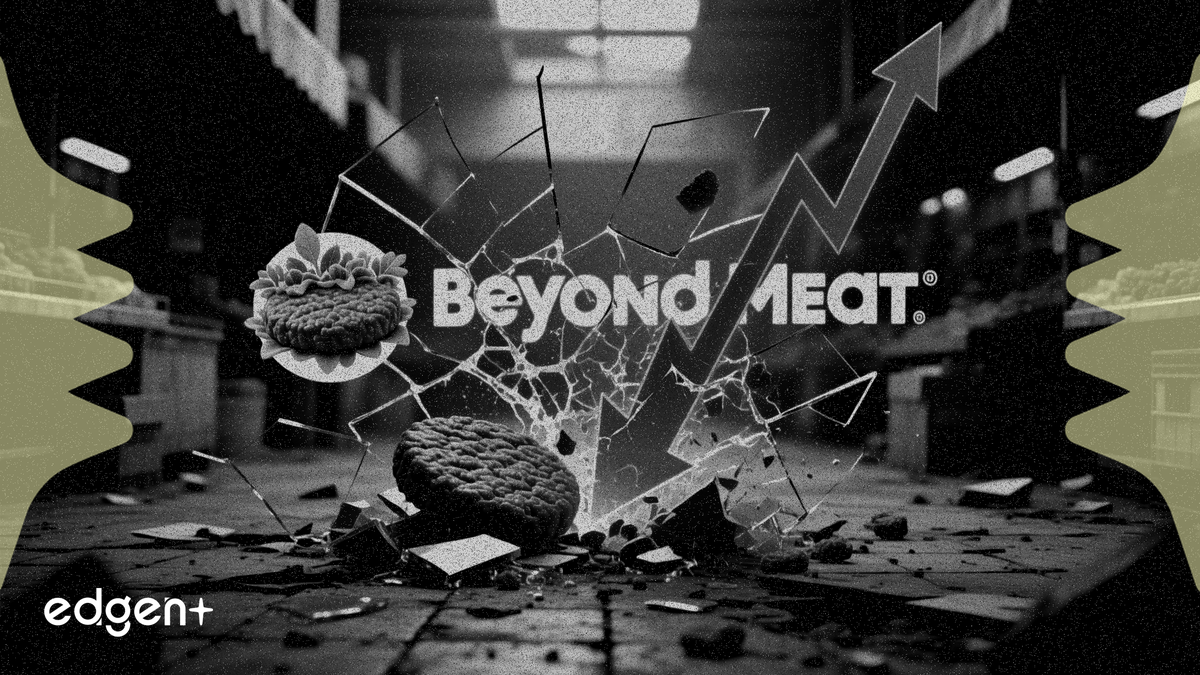
Cổ phiếu sụp đổ 99.7%, gây ra mối đe dọa hủy niêm yết
Từng là một "con cưng" của Phố Wall giao dịch trên 230 đô la mỗi cổ phiếu, Beyond Meat hiện ở mức dưới 0.70 đô la, đại diện cho mức giảm kinh hoàng 99.7% so với đỉnh điểm giữa năm 2021. Sự sụp đổ này đã đẩy giá cổ phiếu xuống thấp hơn đáng kể so với mức tối thiểu 1 đô la mỗi cổ phiếu cần thiết để tiếp tục niêm yết trên sàn Nasdaq. Nếu không có một sự xoay chuyển đáng kể trong hoạt động hoặc sự hồi sinh của lãi suất cổ phiếu meme, công ty có nguy cơ cao bị hủy niêm yết, điều này sẽ hạn chế khả năng huy động vốn và có thể gây ra áp lực bán tháo hơn nữa.
Doanh thu giảm và pha loãng nặng nề làm xói mòn giá trị
Sự sụt giảm tự do của cổ phiếu là kết quả trực tiếp của các yếu tố cơ bản kinh doanh xấu đi. Tổng doanh thu đã giảm mạnh, từ 464.7 triệu đô la vào năm 2021 xuống còn 326.4 triệu đô la vào năm 2024. Các dự báo cho thấy doanh thu sẽ tiếp tục giảm xuống chỉ còn 275.9 triệu đô la vào năm 2025. Thêm vào vấn đề này, Beyond Meat tiếp tục ghi nhận các khoản lỗ hoạt động hàng năm lên đến chín chữ số mặc dù đã nỗ lực cắt giảm chi phí. Để bù đắp khoản đốt tiền mặt nghiêm trọng này, công ty đã buộc phải chuyển đổi 1.15 tỷ đô la trái phiếu từ năm 2021 thành trái phiếu mới và cổ phiếu phổ thông vào cuối năm 2025, gây ra sự gia tăng lớn về số lượng cổ phiếu và đẩy nhanh sự sụt giảm của cổ phiếu thông qua việc pha loãng cổ đông nặng nề.
Chia tách ngược không giải quyết được các vấn đề cốt lõi
Để tuân thủ lại các quy tắc của Nasdaq, Beyond Meat được dự đoán rộng rãi sẽ thực hiện chia tách cổ phiếu ngược. Hành động này hợp nhất nhiều cổ phiếu thành một cổ phiếu đơn có giá cao hơn mà không làm thay đổi tổng vốn hóa thị trường của công ty. Mặc dù nó cung cấp một giải pháp cơ học đơn giản cho mối đe dọa hủy niêm yết, nhưng chia tách ngược không làm gì để khắc phục các vấn đề cơ bản về doanh số giảm và khả năng sinh lời. Đối với các nhà đầu tư, một động thái như vậy thường được hiểu là một nỗ lực cuối cùng của một công ty đang gặp khó khăn. Hơn nữa, việc đẩy giá lên một cách giả tạo trở lại trên các mức như 5 đô la mỗi cổ phiếu có thể khiến cổ phiếu trở thành mục tiêu dễ dàng hơn cho các nhà đầu tư bán khống, có khả năng tạo ra một chu kỳ áp lực giảm giá mới.