
Key Takeaways:
- US Treasury plans weekly secondary sanctions on Iran to intensify economic isolation
- Iranian rial slid to 2.02 million per dollar, a record low
- Strait of Hormuz blockade threatens global oil supply and energy prices
Key Takeaways:
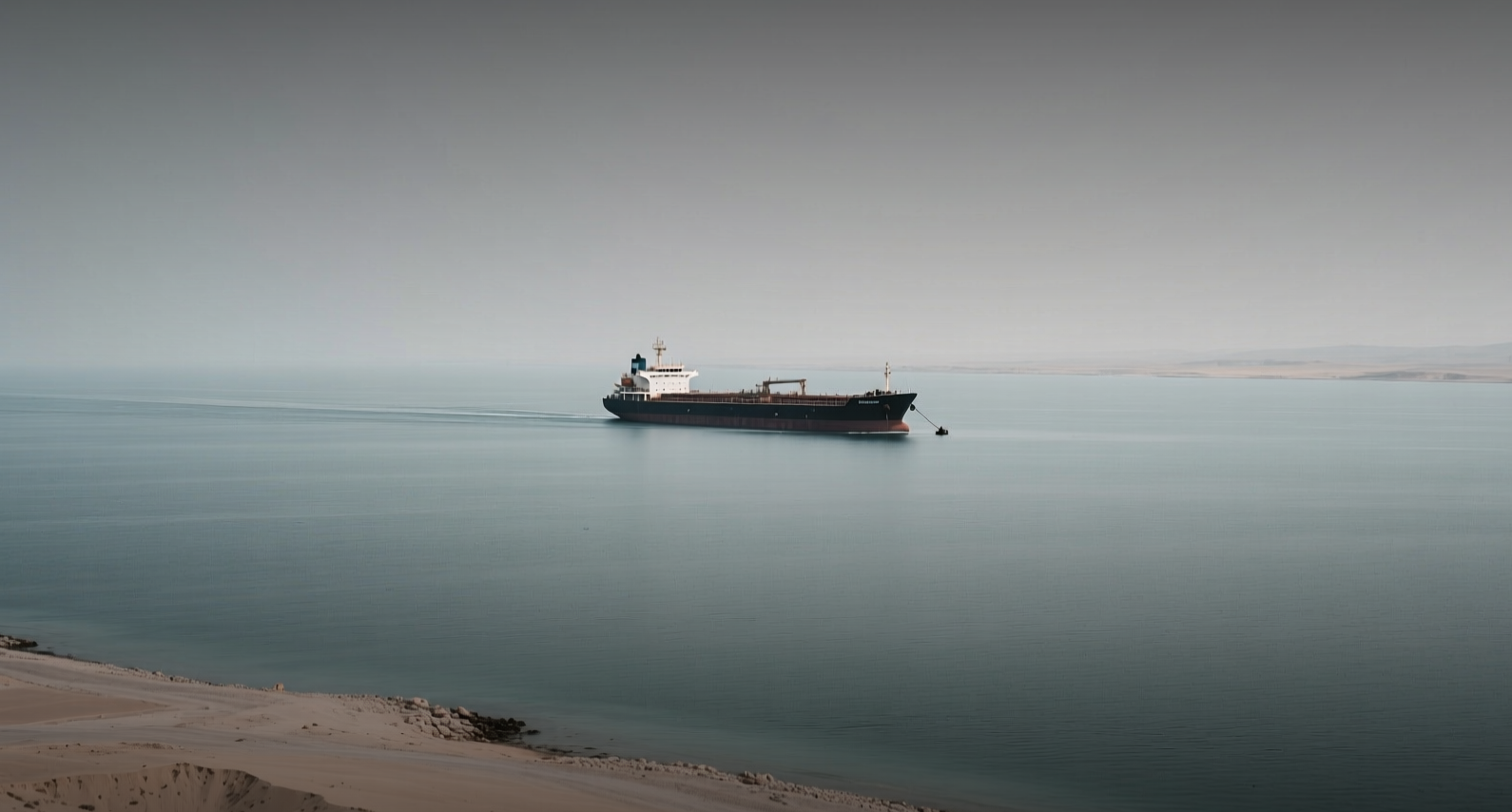
Washington is escalating its economic campaign against Tehran, promising fresh secondary sanctions each week as Iran's currency collapses to record lows.
US Treasury Secretary Scott Bessent said Washington will keep tightening economic pressure on Iran, vowing new secondary sanctions on a weekly basis after the rial slid to 2.02 million per dollar. The escalation follows an Aug. 24 round of sanctions aimed at "economic isolation" of Tehran, part of what President Donald Trump has branded an "Economic D-Day" against the Islamic Republic.
"This is going to be the greatest coordinated economic isolation in the history of the world. And we are going to them and saying you are either with us or against us," Bessent said, according to remarks reported Monday. The Treasury chief said he expects new secondary sanctions to be announced weekly, targeting banks and other entities that facilitate Iranian transactions.
The rial had already dropped to 2.02 million against the dollar when trading opened Monday, deepening a collapse that began in late December 2025 when the currency hit its lowest historical level. The sanctions campaign is backed by a naval blockade on the Strait of Hormuz, the chokepoint that handles roughly a fifth of global oil trade. Trump on Truth Social last week promised "economic warfare and isolation on an unprecedented scale."
Iranian Foreign Minister Abbas Araghchi dismissed the threat as a distraction, saying it would backfire, while China's foreign ministry spokesman Lin Jian said sanctions and pressure would not resolve the conflict. "All relevant parties need to take responsible measures and resolve the problem through political and diplomatic means," Lin said.
The economic squeeze
The pressure campaign comes after a nationwide uprising in January 2026, when protests that began in Tehran's Grand Bazaar expanded to more than 400 locations. Security forces killed as many as 36,500 civilians and arrested over 1,500, according to reports, as the regime sought to contain unrest fueled by the currency's collapse. The bazaar protests were driven by merchants struggling to price goods as the rial lost value against the dollar.
For energy markets, the stakes are immediate. A sustained blockade of the Strait of Hormuz would remove a substantial share of global crude supply, threatening to push oil prices higher and add to the geopolitical risk premium already priced into gold and other safe-haven assets. The last time Washington imposed sweeping secondary sanctions on Iran, in 2018, crude prices climbed more than 20 percent over the following months as buyers scrambled to replace Iranian barrels.
The question now is whether economic pressure alone can force a change in Tehran's behavior. The White House has ruled out nation-building in Iran, and the regime has shown resilience through military and diplomatic pressure. If the sanctions fail to produce a negotiated outcome, the risk of renewed military escalation rises — a scenario that would hit oil markets hardest and deepen uncertainty for investors exposed to Middle Eastern assets.
This article is for informational purposes only and does not constitute investment advice.
