
Treasury Secretary Scott Bessent told lawmakers the Iran conflict has been paused and recent inflation is a temporary blip, pushing back on tariff and energy cost concerns.
Treasury Secretary Scott Bessent told lawmakers the Iran conflict has been paused and recent inflation is a temporary blip, pushing back on tariff and energy cost concerns.
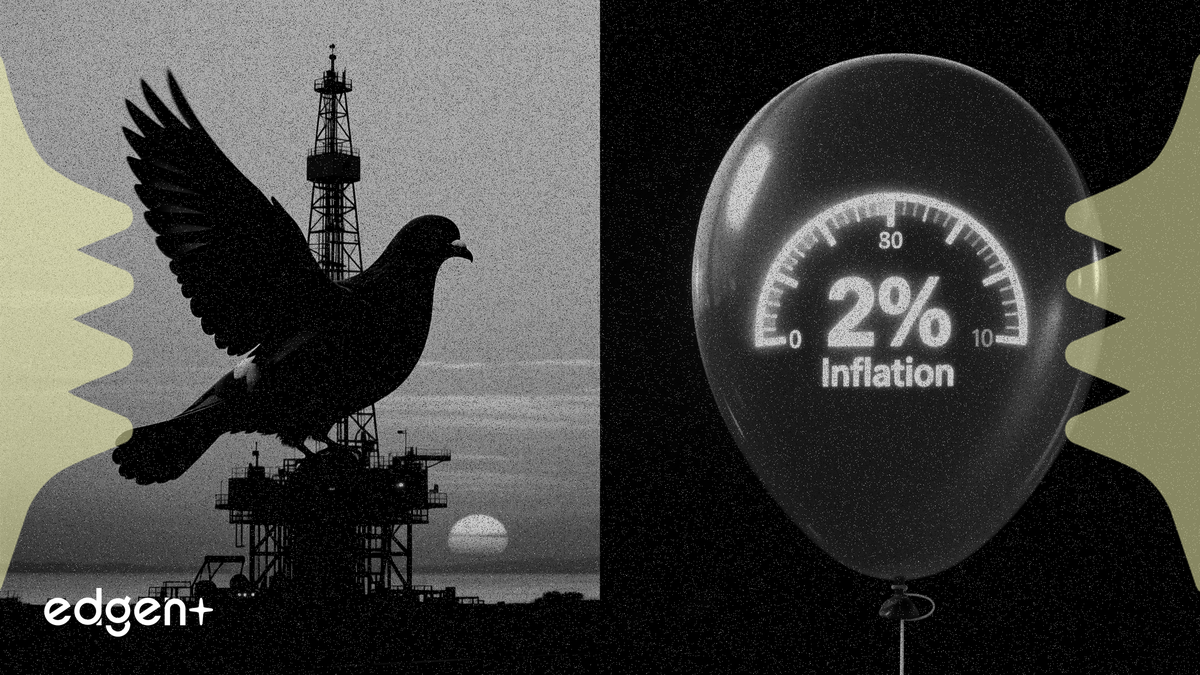
Bessent said the Iran conflict "has been paused" and described recent inflation as a temporary blip, pushing back on concerns that tariffs and higher energy costs are fueling sustained price pressures as the Federal Reserve holds rates at 3.5%.
"The energy price increase is a one-time kind of effect, and I don't expect it to persist," Bessent told the House Ways and Means Committee on Thursday, adding that the impact of Trump administration tariffs on consumer prices has been "very minimal."
The Treasury chief said the conflict pause would eventually push oil prices lower, though he offered no timeline. He also signaled a potential shift in Russian oil sanctions policy, saying future exemptions could become country-specific rather than broadly applied. Bessent warned lawmakers that imposing a 500% tariff on Russian trade partners would amount to a "de facto trade embargo."
The comments come as the Fed prepares for its June 16-17 policy meeting with the benchmark rate at 3.5%-3.75%, where officials are expected to hold steady. Markets are pricing in a potential rate hike by December if inflation does not abate, according to swaps data. Bessent's characterization of inflation as a "blip" drew comparisons to the Biden administration's "transitory" inflation call in 2021 — a framing that proved premature as price pressures persisted for years.
Inflation and Tariff Debate
Bessent's "blip" language quickly drew scrutiny from Democratic lawmakers and market participants who noted the parallel to the previous administration's "transitory" narrative. The consumer price index has remained above the Fed's 2% target for years, and the latest shock from Middle East energy disruptions has pushed gasoline prices higher. New York Fed President John Williams said Wednesday he does not expect the inflation shock to be long-lasting, echoing Bessent's view, though other policymakers have raised the prospect of a rate increase if price pressures do not subside.
On trade, the administration this week proposed tariffs of at least 10% on imports from most major trading partners, including Canada, Mexico and the European Union, following a forced-labor investigation. Products from China, India, Japan, South Korea, Brazil and Switzerland would face a 12.5% levy. Bessent defended the approach, arguing the tariffs are driving manufacturing investment back to the US and that any price increases would be short-lived. The last time the US imposed broad tariffs at this scale, in 2018-2019, the S&P 500 fell as much as 20% during the trade war escalation before recovering after a Phase 1 deal.
Russian Oil and Energy Outlook
Bessent's signal on Russian oil sanctions marks a potential shift in enforcement strategy. Rather than broad waivers, the Treasury may move to country-specific exemptions, a change that could allow some allies to continue purchasing Russian crude while tightening pressure on others. The administration faces a balancing act: maintaining economic pressure on Moscow while preventing further tightening of global crude supplies during the Iran conflict.
The Iran war has already disrupted shipping through the Strait of Hormuz, a chokepoint that handles about 21% of global oil consumption. American Airlines this week said it would temporarily suspend some summer routes due to steep jet fuel costs, showing the real-economy impact of elevated energy prices. US jobless claims rose to 225,000 last week, the highest since early February, though still historically low. The last time claims were at this level during a geopolitical crisis, in February 2022 after Russia's invasion of Ukraine, the S&P 500 fell 10% over the following month before recovering.
Bessent also reiterated that Treasury bond issuance will remain "regular and predictable," a statement aimed at calming concerns about fiscal deficit expansion. He said the US is continuing to pressure Canada and Europe over digital services taxes that Washington views as discriminatory against American technology companies.
This article is for informational purposes only and does not constitute investment advice.
