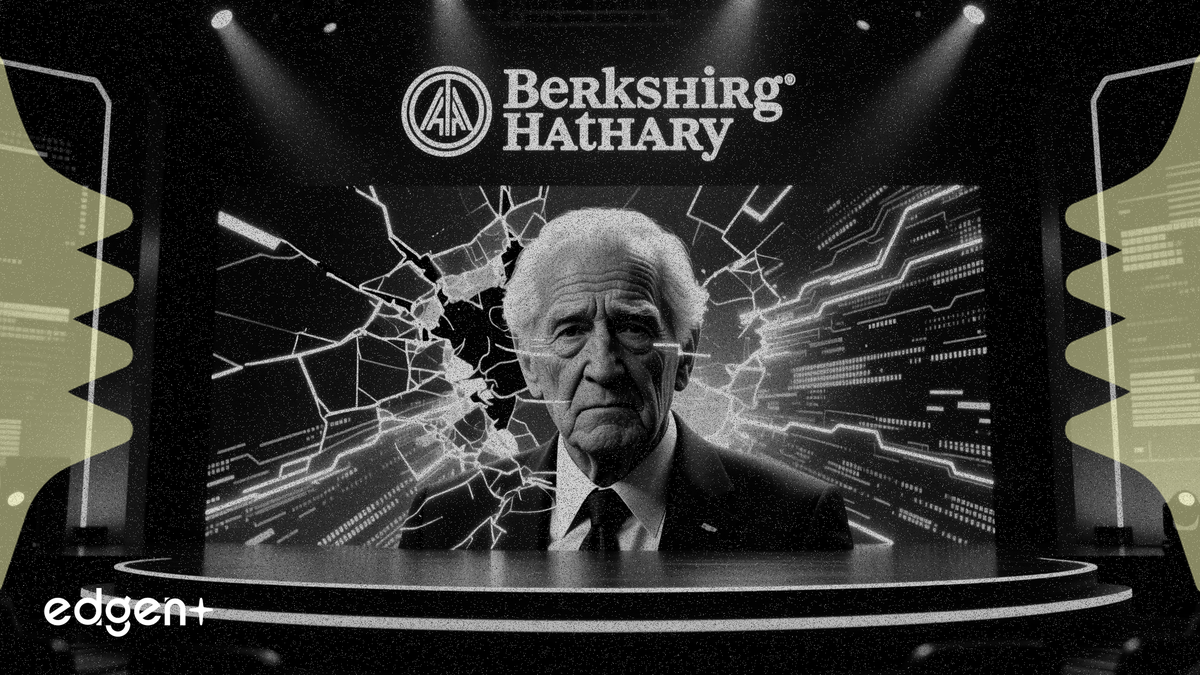
In a pointed demonstration of the risks in the new era of artificial intelligence, Berkshire Hathaway’s 2026 annual shareholders meeting began not with a market forecast, but with a deepfake video of Warren Buffett. The move, orchestrated by CEO Greg Abel, was designed to provide shareholders a firsthand look at the potential for AI-generated corporate misinformation.
The event on May 2, 2026, opened its Q&A session with the AI-generated video, which presented a convincing but fabricated version of the company’s iconic former chairman. The demonstration served as a stark warning on the technology's ability to create believable, synthetic media that could be used for fraudulent purposes.
For the thousands of shareholders gathered in Omaha, the deepfake video was an unexpected lesson in 21st-century risk. Deepfakes are created using machine learning models that can be trained on a person's voice and likeness to generate new, artificial content. The technology has raised alarms across industries for its potential use in scams, fraud, and the dissemination of false information.
This demonstration signals a pivotal moment for corporate governance, suggesting that AI-related threats are now a primary concern for even the most traditional of industrial conglomerates. The move by Abel, in his early tenure as CEO, may push boards to disclose their strategies for mitigating AI-driven risks, from sophisticated phishing attacks to large-scale market manipulation. Investors are now likely to question the adequacy of existing cybersecurity frameworks in the face of this rapidly evolving technology.
This article is for informational purposes only and does not constitute investment advice.