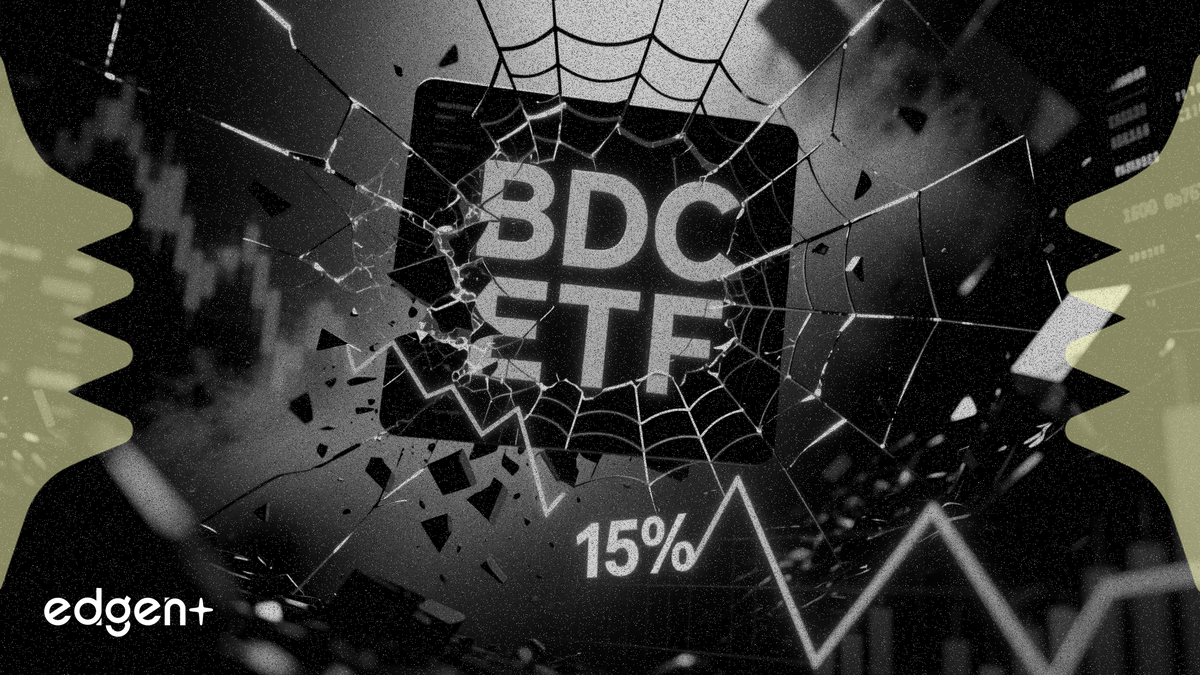
Özel krediye yatırım yapan halka açık fonlardaki sert satışlar, 3,5 trilyon dolarlık hızla büyüyen piyasanın bir temerrüt dalgası ve yatırımcı çıkışlarıyla karşı karşıya olduğu endişelerini körüklüyor; bazı analistler bu durumun sigorta şirketleri ve emeklilik fonlarına yayılabileceği konusunda uyarıyor. Halka açık iş geliştirme şirketlerini izleyen ana gösterge olan VanEck BDC Income ETF, yılın başından bu yana yüzde 15 düştü; bu da sektörün yüksek riskli yazılım şirketlerine olan maruziyeti ve kredi kayıplarında olası bir sıçrama konusundaki artan endişeyi yansıtıyor.
"İçinde 100 şirketin olduğu bir kutunuz var ama bunlardan 10'unun ölü kedi olduğunu biliyorsunuz. Kutuyu açana kadar hala canlılar. Yarattıkları şey temelde bu," Andromeda Capital Management Yatırım Direktörü Alberto Gallo, Reuters'a verdiği yakın tarihli bir röportajda BDC portföylerinin şeffaf olmayışını bu sözlerle tarif etti.
Gerileme, bir patlama dönemini takip ediyor; Partners Group raporuna göre, popüler bir fon düzeyinde finansman biçimi olan NAV kredileri piyasası tahmini 100 milyar dolara ulaştı ve 2030 yılına kadar 600 milyar dolara çıkması bekleniyor. Bu hızlı genişleme, bu yıl Blue Owl Capital, Ares Management ve Blackstone gibi büyük firmalarda yatırımcıların itfa taleplerindeki artışla karşılaştı ve bu firmaları çekimleri kısıtlamaya zorladı. Reuters'a göre halka açık BDC'ler şu anda net varlık değerlerine göre ortalama yüzde 20 iskontolu işlem görüyor.
Tehlikede olan, orta ölçekli işletmeler için birincil finansman kaynağı haline gelen piyasanın istikrarıdır. İsviçreli özel sermaye şirketi Partners Group'un başkanı Steffen Meister, geçen ay özel kredilerdeki temerrüt oranlarının önümüzdeki birkaç yıl içinde ikiye katlanabileceğini ve bunun büyük ölçüde birçok yazılım şirketi iş modelini geçersiz kılabilecek yapay zeka kaynaklı ekonomik bozulmadan kaynaklanacağını söyledi.
Bir Güven Krizi
BDC'ler üzerindeki baskı, aynı anda vuran bir dizi faktörün birleşiminden kaynaklanıyor. Yıllarca süren güçlü performansın ardından, rekabet kızışırken getiriler küçülmeye başlıyor. Ancak son dönemdeki korkunun ana itici gücü, sektörün yazılım ve teknoloji hizmetleri firmalarındaki yoğunlaşmasıdır; bunların birçoğu artık üretken yapay zekadan kaynaklanan bozulmaya karşı savunmasız görülüyor. Gallo, "Hala sorunları keşfetmenin başındayız ve yarın olmayabilir, üç veya altı ay içinde olabilir," dedi.
Bu durum, paralarını geri isteyen yatırımcılar arasında bir güven krizine yol açtı. İtfa talebi dalgası, en büyük oyunculardan bazılarını, varlıkların düzensiz bir şekilde elden çıkarılmasını önlemek için tasarlanmış ancak yatırımcı endişelerini artıran bir özellik olan çekim limitlerini uygulamaya zorladı.
"Kredi döngüleri olacak, kayıplar olacak, bazı değer düşüşleri olacak. Yani, bir sebeple yüzde 5 ile borç vermiyorlar, değil mi?" Seaport Global Holdings Direktörü John Giordano, bir yeniden dengelenmenin kaçınılmaz olduğunu öne sürdü.
Sigortacılar ve Yeni Bulaşma Kanalı
Bazı analistler mevcut stresi kontrollü bir döngüsel gerileme olarak görürken, diğerleri 2008 finansal krizinden farklı bir bulaşma kanalına sahip daha sistemik bir riske işaret ediyor. Endişeler, özel kredi varlıkları son on yılda iki katından fazla artan ABD'li hayat ve emeklilik sigortası şirketleri üzerinde yoğunlaşıyor.
Oxford Economics'in bir notuna göre, özel kredi şu anda ABD'li sigorta şirketlerinin toplam yatırımlarının yaklaşık yüzde 35'ini oluşturuyor. Firmanın küresel makro strateji direktörü Javier Corominas, özel kredi kayıplarının sigortacıların ödeme gücünü aşındırması durumunda, bulaşmanın ani bir banka hücumu değil, "emeklilik güvenliğinin yavaş ve yıpratıcı bir erozyonu - gerçek zamanlı olarak tespit edilmesi daha zor ve tersine çevrilmesi önemli ölçüde daha zor" olacağı konusunda uyardı.
Bu, 2008'deki banka kaynaklı krizden farklı türde bir sistemik tehdit oluşturuyor. Risk, emeklilik fonları ve bireysel tasarruf ürünlerinde yoğunlaşmış durumda ve temel varlıkların değerlemesi büyük ölçüde şeffaf değil. Andromeda'dan Gallo, "Düzenleyiciler her zaman son krizle savaşır ve burada durum tam tersi, son krizin ayna görüntüsü var," dedi.
Bu makale sadece bilgilendirme amaçlıdır ve yatırım tavsiyesi teşkil etmez.