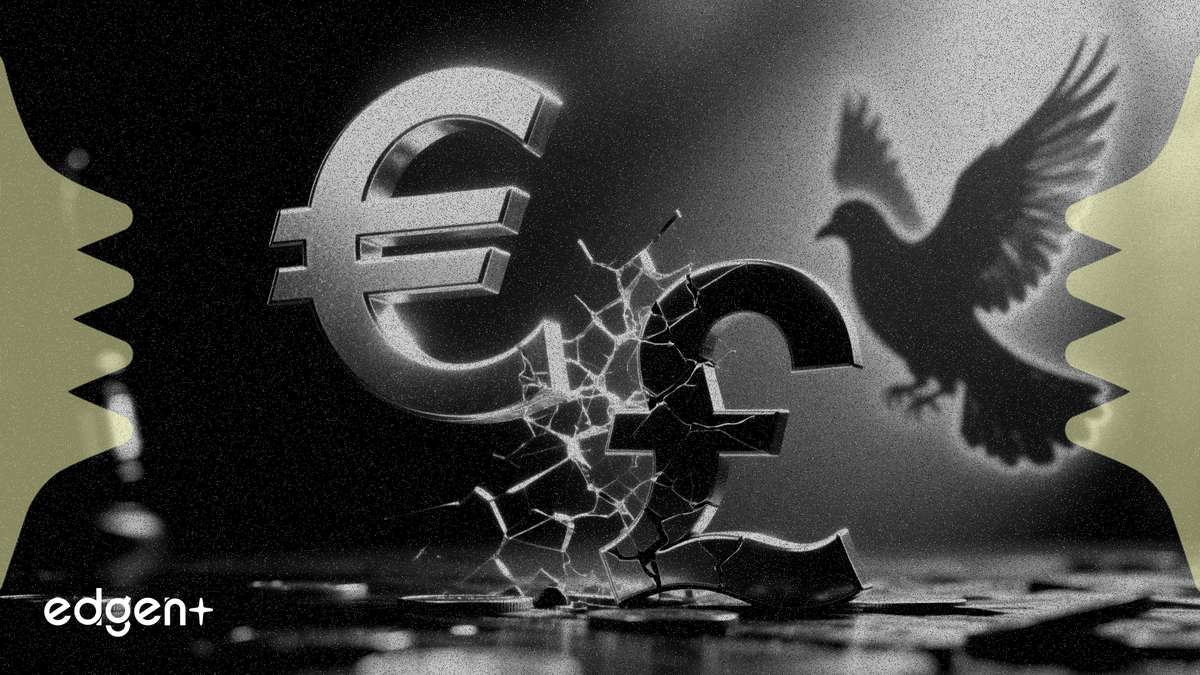
Sự thay đổi ôn hòa của BoE báo hiệu tiềm năng tăng giá EUR/GBP
Vào ngày 26 tháng 3 năm 2026, thị trường bắt đầu định giá chính sách tiền tệ ôn hòa hơn từ Ngân hàng Anh, báo hiệu một sự thay đổi chiến lược làm suy yếu đồng Bảng Anh. Theo phân tích từ ING, việc định giá lại này tạo ra rủi ro tăng giá đáng kể cho cặp tiền tệ EUR/GBP. Một chính sách ôn hòa, ám chỉ lãi suất tương lai thấp hơn, thường làm giảm sức hấp dẫn của một loại tiền tệ đối với các nhà đầu tư. Mặc dù chi phí vay thấp hơn có thể hỗ trợ cổ phiếu Anh, động thái này cũng báo hiệu những lo ngại tiềm ẩn về triển vọng tăng trưởng kinh tế của Vương quốc Anh, tạo thêm một lớp bất ổn.
Chính sách của các Ngân hàng Trung ương phân kỳ trên khắp châu Âu
Lập trường mềm mỏng của Ngân hàng Anh trái ngược hoàn toàn với chính sách tiền tệ ở những nơi khác. Ví dụ, Ngân hàng Norges của Na Uy đã gây bất ngờ cho thị trường với một thông điệp thắt chặt, báo hiệu sẵn sàng tăng lãi suất để chống lại lạm phát trên diện rộng. Sự phân kỳ này nhấn mạnh rằng động thái của BoE không phải là một phần của chu kỳ nới lỏng toàn cầu phối hợp. Các ngân hàng trung ương lớn khác, bao gồm Cục Dự trữ Liên bang và Ngân hàng Trung ương châu Âu, đang giữ nguyên lãi suất trong khi thừa nhận sự bất ổn kinh tế gia tăng, định vị việc định giá lại ôn hòa của BoE như một trường hợp ngoại lệ đáng chú ý.
Căng thẳng địa chính trị có thể đẩy biến động tăng 4 điểm phần trăm
Các yếu tố bên ngoài đe dọa làm phức tạp triển vọng tiền tệ. Các chiến lược gia tại UBS cảnh báo rằng thị trường ngoại hối phải đối mặt với biến động gia tăng, có thể tăng 4 điểm phần trăm, do các xung đột địa chính trị ảnh hưởng đến nguồn cung năng lượng. Với giá dầu Brent tăng vọt lên 115 USD mỗi thùng, rủi ro về những cú sốc giá kéo dài ngày càng tăng. Môi trường biến động gia tăng này có thể lấn át các động lực cơ bản như chính sách của ngân hàng trung ương trong ngắn hạn, khiến ngay cả những xu hướng có vẻ rõ ràng trong các cặp tiền tệ như EUR/GBP cũng có thể chịu những biến động đột ngột và khó lường.