
Vienna is pushing Brussels to establish Anthropic's AI systems within the bloc as a direct counter to Washington's export controls on the company's two most advanced models.
Vienna is pushing Brussels to establish Anthropic's AI systems within the bloc as a direct counter to Washington's export controls on the company's two most advanced models.
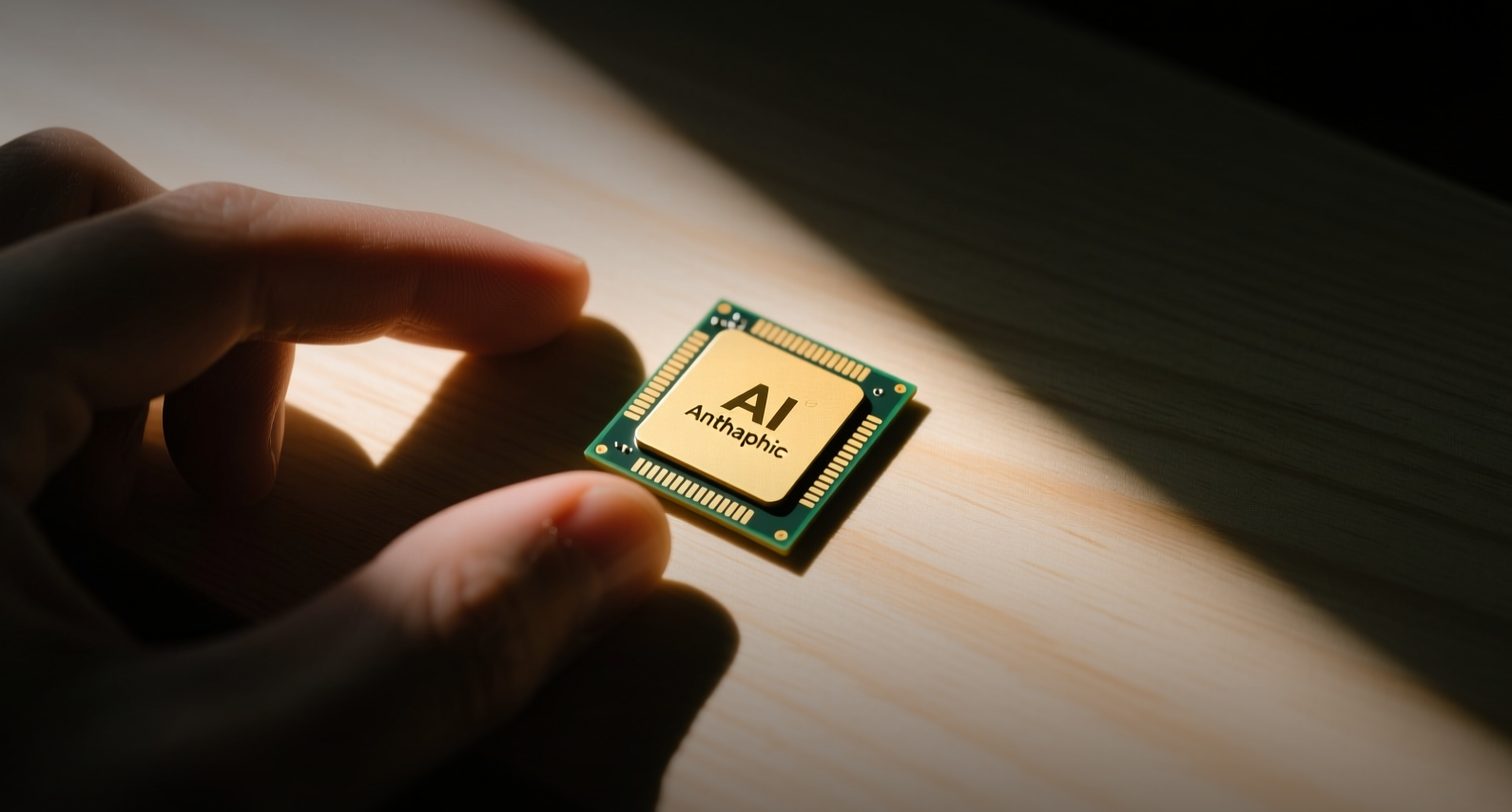
Vienna is pushing Brussels to establish Anthropic's AI systems within the bloc as a direct counter to Washington's export controls on the company's two most advanced models.
Austria is urging the European Union to host Anthropic PBC's AI infrastructure within its borders, seeking to counter US restrictions that have blocked foreign access to the company's Fable 5 and Mythos 5 models, according to a letter seen by Bloomberg News.
"Member states should explore the strategic establishment and participation of Anthropic within the European Union," Austrian State Secretary for Digitalization Alexander Pröll said in a letter to European Commission Executive Vice President Henna Virkkunen.
The push follows a US government order two weeks ago barring Anthropic from giving foreign nationals access to its two most capable AI systems, citing concerns that the models' security guardrails could be bypassed. The restrictions prompted Anthropic to disable global access to both models and begin negotiations with the Trump administration. Commerce Secretary Howard Lutnick is making progress on addressing those security concerns, though any deal still requires approval across the administration, people familiar with the matter told Bloomberg.
The standoff marks one of the most significant US government interventions into a private AI company's operations and comes weeks after Anthropic confidentially filed for an initial public offering. Austria's proposal could reshape transatlantic AI competition, potentially creating a competing EU-hosted ecosystem that would give European companies and researchers access to frontier models without US export controls.
The US restrictions have since expanded beyond Anthropic. OpenAI said Friday it would limit access to a preview version of its GPT-5.6 model to a small group of government-approved partners following similar pressure from the administration over concerns about the model's capabilities. The company said it is working with the Trump administration to establish a framework for assessments and develop a repeatable process for future model releases.
The Geopolitical Stakes for AI Infrastructure
The last time a US ally moved to host strategic technology infrastructure to bypass American export controls was in semiconductor manufacturing, when several European nations offered incentives to Taiwan Semiconductor Manufacturing Co. and Intel Corp. to build fabrication plants on the continent. Those investments, totaling more than $50 billion in committed projects across Germany, France and Ireland, reshaped Europe's chip supply chain over three years.
For AI, the stakes are higher. Frontier models like Anthropic's require vast clusters of Nvidia Corp. graphics processing units — each cluster costing $1 billion or more — and access to the company's proprietary training techniques. Hosting Anthropic within the EU would require not just political agreement but also significant infrastructure investment, data localization frameworks and regulatory alignment on AI safety standards.
Austria's proposal comes as the European Union accelerates its AI regulatory agenda under the AI Act, which imposes stricter requirements on high-risk systems than US rules. A decision by the European Commission on whether to pursue the hosting arrangement could take months, with Virkkunen's office reviewing the proposal alongside broader EU digital sovereignty initiatives.
Investor Implications and Market Context
For investors, the transatlantic AI rift introduces a new layer of regulatory risk for US-based AI companies with international ambitions. Anthropic's confidential IPO filing — which could value the company at more than $60 billion based on recent private fundraising rounds — now faces the added complexity of navigating both US export controls and potential EU hosting demands. Rival OpenAI's valuation of $300 billion in its latest tender offer could also be affected if European regulators impose restrictions on access to US-developed frontier models.
European AI companies, by contrast, could benefit from a more level playing field. Mistral AI, the Paris-based startup valued at $6 billion, and Aleph Alpha, the German competitor, stand to gain if EU-hosted infrastructure gives them preferential access to frontier capabilities. The European Commission's decision on Austria's proposal will signal whether Brussels is willing to match Washington's assertiveness in shaping the global AI order.
This article is for informational purposes only and does not constitute investment advice.
