
Asian semiconductor stocks extended their slide on Thursday as investors questioned whether the AI infrastructure spending boom can be sustained.
Asian semiconductor stocks extended their slide on Thursday as investors questioned whether the AI infrastructure spending boom can be sustained.
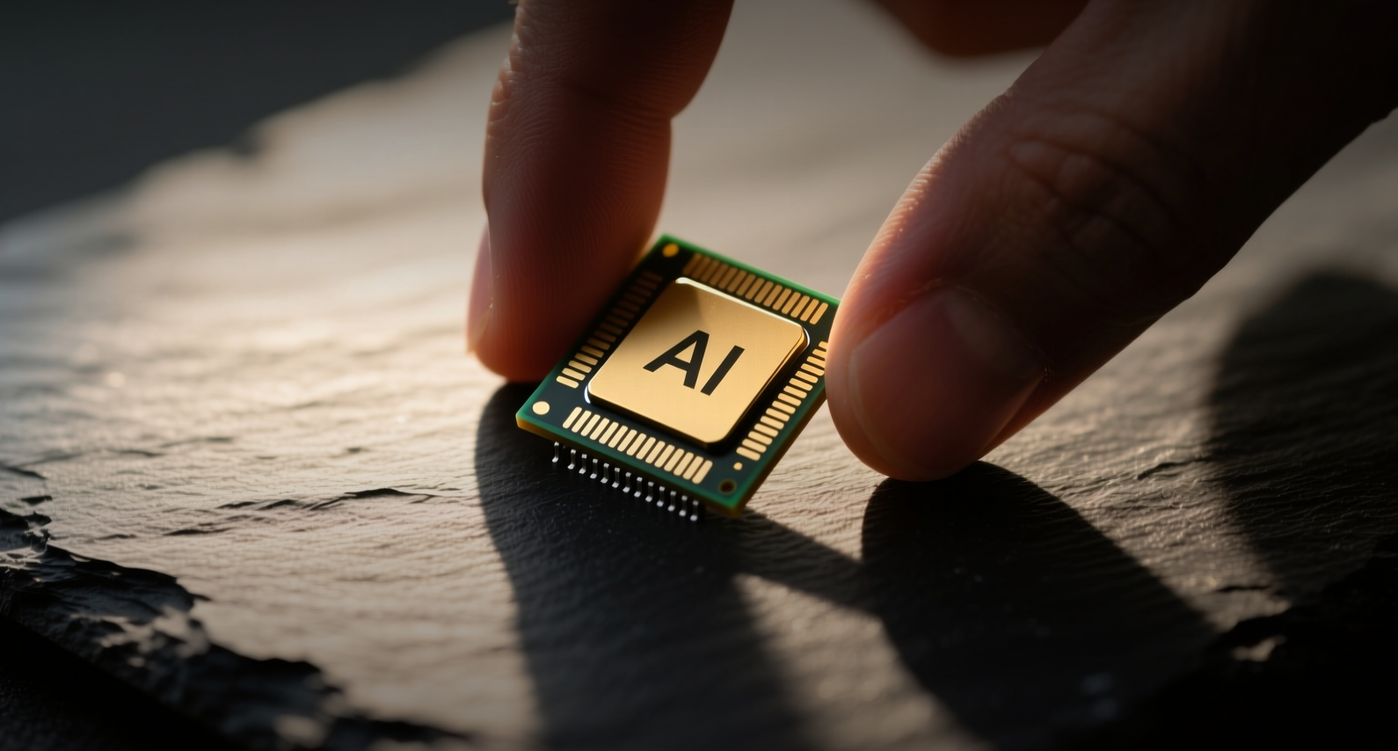
Asian chip stocks fell on Thursday, with Kioxia down 9.2 percent and Samsung Electronics off 6.3 percent, as investors renewed doubts about the durability of AI infrastructure spending that has driven the sector's record run.
The recent regional technology sell-off has not disrupted the broader AI investment cycle, JPMorgan said, according to CNBC. The bank said it does not expect major cloud computing companies, known as hyperscalers, to significantly reduce capital spending and sees no fundamental indicators pointing to meaningful weakness over the next six to 12 months.
South Korea's SK Hynix fell 2.2 percent after plunging nearly 10 percent earlier in the session, while Seoul Semiconductor lost 3.7 percent. In Japan, SoftBank Group dropped 3.4 percent, Tokyo Electron fell more than 5.4 percent, and Advantest lost 2.6 percent. Taiwan Semiconductor Manufacturing Company, the world's largest contract chipmaker, declined 1.66 percent.
The swings come as investors weigh whether the massive capital expenditures on AI data centers can translate into sustainable revenue growth. South Korea's chip-heavy equity market has alternated between steep losses and record gains in recent sessions, reflecting the sector's sensitivity to AI sentiment shifts. Crude oil held steady in early European trade as market participants awaited progress on reopening the Strait of Hormuz, a waterway that carries roughly one-fifth of global petroleum.
JPMorgan Sees No Disruption to AI CapEx Cycle
The sell-off marks the latest test of the AI trade that has powered semiconductor valuations to historic levels. Nvidia, the primary beneficiary of the AI infrastructure buildout, has seen its market capitalization swell past $3 trillion as hyperscalers including Microsoft, Amazon, and Alphabet commit hundreds of billions of dollars to data center capacity.
But the rapid pace of that spending has raised questions about whether returns will materialize. The global purchasing managers' index for technology equipment output rose in July at its fastest pace since May 2021, S&P Global data show, while the broader technology sector recorded its strongest growth in 10 months — evidence that the underlying demand cycle remains intact.
JPMorgan's confidence rests on the scale of hyperscaler commitments. Microsoft, Amazon, and Alphabet have each outlined multi-year capital expenditure plans exceeding $100 billion annually, creating a pipeline of demand that chipmakers including TSMC, Samsung, and SK Hynix are racing to fill. The foundry and memory segments, in particular, are operating at near-full capacity as AI accelerators and high-bandwidth memory (HBM) modules become the industry's primary growth drivers.
The memory market illustrates the stakes. SK Hynix and Samsung dominate the HBM segment that Nvidia's data center GPUs depend on, and both companies have guided to tight supply through 2027. Any sustained pullback in AI spending would hit these suppliers hardest, which explains why their shares have been the most volatile in the current correction.
Oil Steady as Hormuz Negotiations Advance
Separately, crude prices held steady in early European trade as investors awaited developments on the Strait of Hormuz. Brent crude traded near $79.70 per barrel after falling 5.3 percent in a single session on news that a reopening deal with Iran could materialize within days. West Texas Intermediate was around $75.95.
The strait, through which roughly 20 percent of global petroleum liquids transit annually, has been a focal point of geopolitical risk since the conflict began. A formal agreement would likely compress the geopolitical premium embedded in oil prices, while a breakdown could push Brent back toward the mid-$80s. Iran's pre-sanctions export capacity of approximately 2.5 million barrels per day adds another variable: a sanctions waiver tied to any deal could inject significant new supply into global markets.
For semiconductor investors, the key question is whether the current pullback represents a buying opportunity or the start of a broader correction. JPMorgan's view that hyperscaler capital spending will hold suggests the AI cycle remains intact, but the sector's sharp swings indicate that valuations have priced in near-perfect execution. Chip stocks that have run up the most on AI optimism — including SK Hynix and Kioxia — are likely to remain the most volatile as the market recalibrates expectations.
This article is for informational purposes only and does not constitute investment advice.
