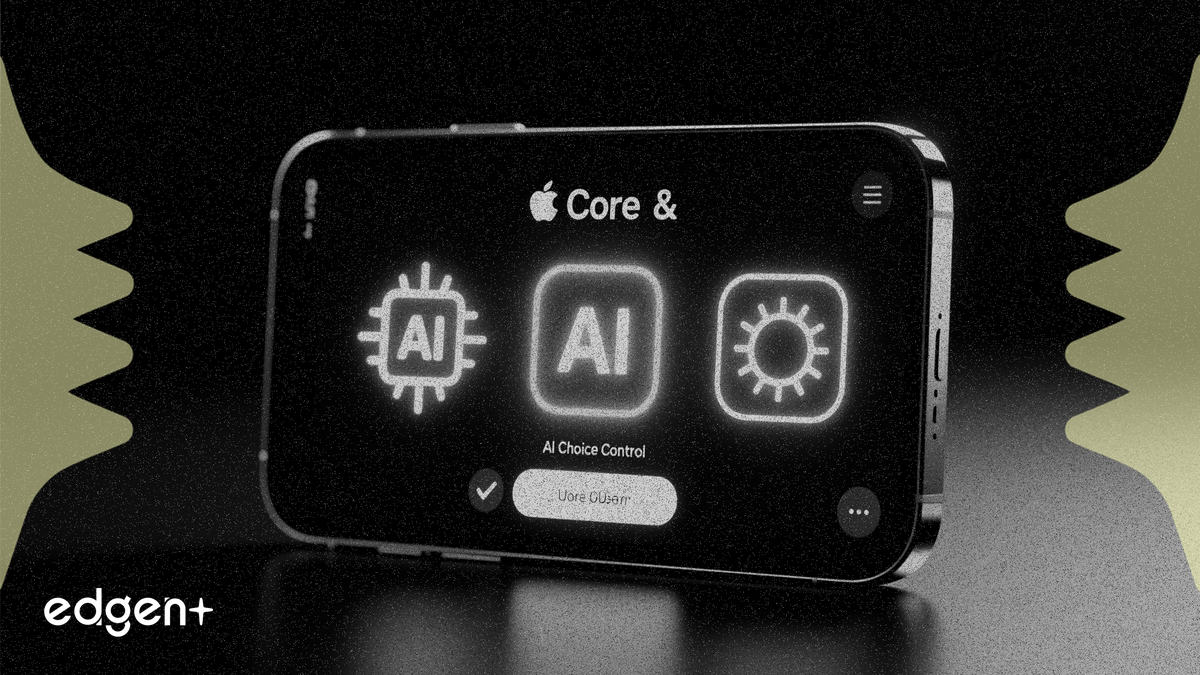
アップル(AAPL)は「iOS 27」により、人工知能戦略をオープンなエコシステムへと転換しようとしている。これは、Google(GOOGL)やOpenAIなどのパートナーからデフォルトのAIモデルをユーザーが選択できるようにするもので、競合他社の単一プロバイダーモデルに直接挑戦する動きだ。
ブルームバーグが報じたソフトウェアのテスト版のメッセージによると、「拡張機能により、インストールされたアプリからオンデマンドで生成AI機能にアクセスできるようになる」という。
より広範な「Apple Intelligence」推進の一環であるこの新システムでは、Siriや新しい「ビジュアル・インテリジェンス」カメラモードなどの機能において、アップル標準のAIをGoogleのGemini、OpenAIのChatGPT、あるいはその他のサードパーティサービスに切り替えることができるようになる。正式リリースは、6月の世界開発者会議(WWDC)後のデベロッパー向けベータ版の公開を経て、9月になる見通しだ。
この戦略は、焦点を単一の自社モデルからユーザーの選択へと移すことで、4.11兆ドル規模のアップルのエコシステムを差別化する可能性がある。過去1年間で株価が35%上昇する中、この動きはAIレースにおけるアップルの遅れに対する批判を解消し、高度な機能の多くにiPhone 15 Pro以降が必要となることから、ハードウェアの買い替えを促進することを目的としている。
SiriとAIの新たな基盤
iOS 27のアップデートは、デバイス上のインテリジェンスに対するアップルのアプローチの根本的な刷新を意味している。その中心にあるのは、Siriのスタンドアロンアプリケーション化であり、会話履歴を保存し、テキストと音声の両方の入力を受け付けることが可能になる。この変更により、Siriは現代のAIチャットボットとより直接的に競合する立場となる。
AIツールキットをさらに拡大するため、アップルはカメラアプリに「ビジュアル・インテリジェンス」機能を直接組み込んでいる。これにより、ユーザーはデバイスを物体に向けるだけで、栄養成分ラベルをスキャンしてカロリーを追跡したり、名刺を取り込んで連絡先を作成したりといったリアルタイムの情報を得ることができるようになる。GoogleのGeminiなどのモデルによって実現されるこの機能は、アップルをより文脈を認識したインタラクティブなAIの形へと進化させる。
しかし、最も強力な「Apple Intelligence」機能はハードウェアによって制限されることになる。報道によると、新しいAI機能へのフルアクセスにはA19チップ以降を搭載したデバイスが必要となり、実質的にiPhone 15 Pro以降のモデルに限定される。iOS 27のアップデートでは、iPhone 11、11 Pro、および第2世代のiPhone SEのサポートが完全に終了する見込みだ。
アップル・エコシステムへの影響
このソフトウェア戦略は、アップルのハードウェア・ロードマップと密接に結びついている。次期iPhone 18 Proモデルには、デバイス上のAIパフォーマンスを強化するために設計された、2ナノメートルプロセス製造の新しい「A20 Pro」チップが搭載されると予想されている。最も魅力的な新しいソフトウェア機能を新しいハードウェアに依存させることで、アップルは25億台の稼働デバイスベースの中で明確な買い替え動機を生み出している。
Googleとの著名な提携を含む、複数のAIプロバイダーと協力するという決定は、現実的な転換を示している。アップルは独自のモデル開発を継続する一方で、競合他社の技術を利用して機能の差を迅速に埋めようとしている。これにより、単一のエコシステムに固定されたデバイスと比較して、iPhoneをより柔軟で強力なAIプラットフォームとして位置づけることができる。
投資家にとって、この戦略はアップルの成長に関する新たな物語を提示する。現在、株価は52週高値をわずか3.9%下回る水準で取引されており、ウォール街では42人のアナリストによる「中立的買い(Moderate Buy)」のコンセンサス評価を得て、概ねポジティブな見方が維持されている。平均目標株価の296.76ドルは7.2%の潜在的な上昇余地を示唆しており、AIへの注力は株価のプレミアムな評価を正当化し、次のハードウェア販売サイクルを加速させる可能性がある。
本記事は情報提供のみを目的としており、投資勧誘を目的としたものではありません。