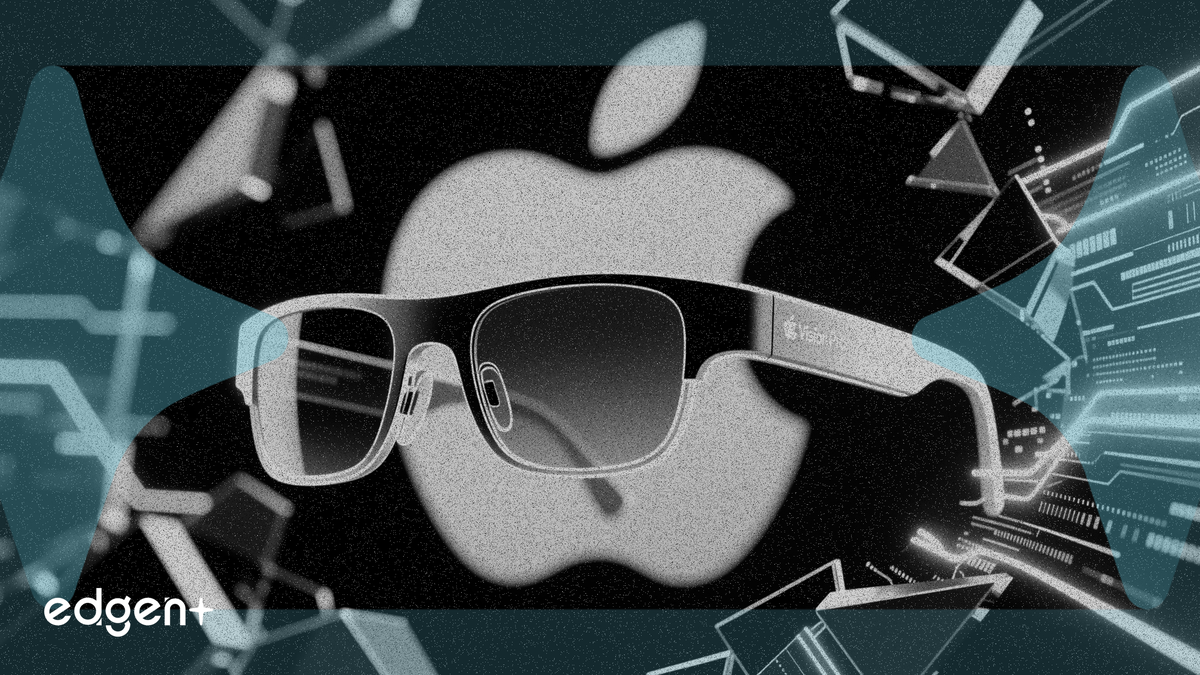
Apple's reported testing of four smart glass prototypes signals a major strategy shift away from high-cost, immersive headsets like the Vision Pro and toward a mainstream wearable device for a potential 2027 launch.
"Apple is testing a unique vertical oval camera design," Bloomberg's Mark Gurman said, indicating a focus on photo and video capabilities rather than augmented reality displays.
The designs reportedly omit a display, focusing instead on camera, audio, and Siri interactions, positioning the device as a direct competitor to Meta's $799 Ray-Ban glasses. This pivot follows mixed sales and production cuts for the company's more ambitious Vision Pro headset.
A successful launch could create a new major product category for Apple, with global AI glasses sales projected to grow 70 percent in 2026. However, success hinges on a vastly improved Siri, reportedly to be powered by Google's Gemini AI.
AI and Competition Define the Stakes
The move pits Apple against a growing field of lower-cost wearables. Rokid, which holds 3.9% of the market, is planning a Hong Kong IPO and sells its AI display glasses for $599. Snap is also pushing its Specs hardware with a Qualcomm partnership. For Apple, integrating Google's Gemini AI into Siri is seen as a critical step to create a truly useful voice-activated interface, which has been a long-standing weakness. The performance of this AI integration will likely determine if Apple can succeed where others have struggled: turning smart glasses into a mass-market product.
This article is for informational purposes only and does not constitute investment advice.