
A critical source code leak at Anthropic, a leader in AI safety, raises significant questions about internal controls and the very concept of safety in the booming AI sector.
A critical source code leak at Anthropic, a leader in AI safety, raises significant questions about internal controls and the very concept of safety in the booming AI sector.
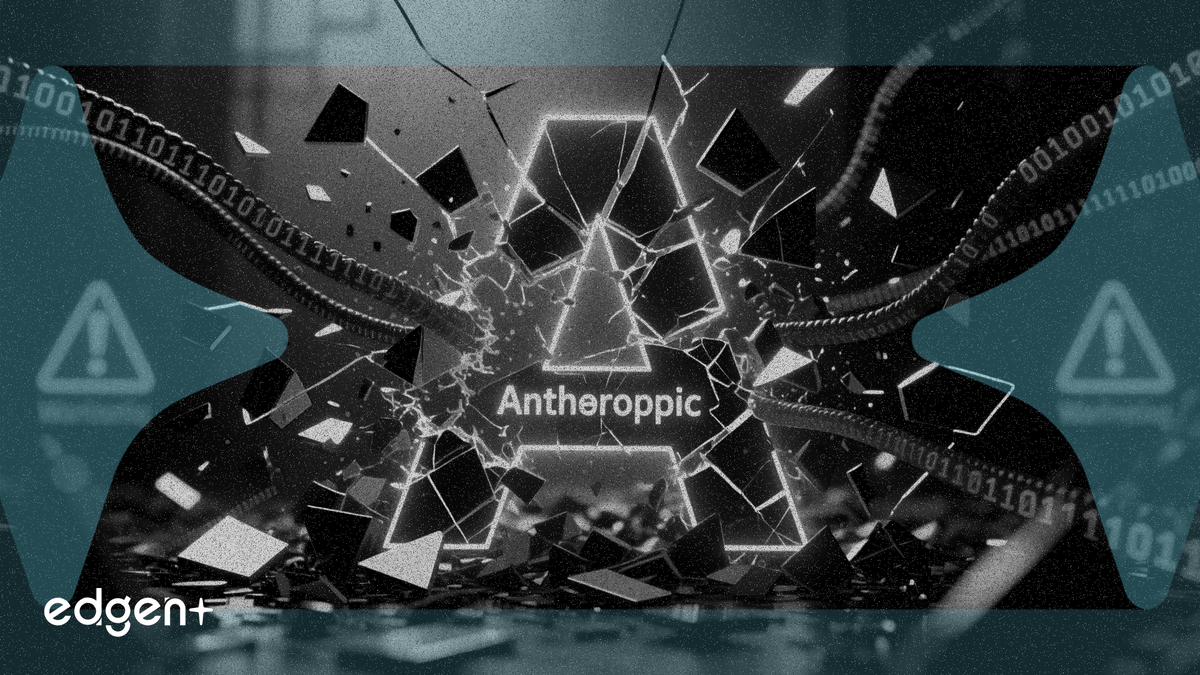
Anthropic, a prominent AI firm known for its safety-first approach, has issued over 8,000 copyright takedown requests after inadvertently exposing its own source code, an event that challenges its core brand identity and could benefit competitors such as OpenAI and Google.
The incident, first reported by TechFlowPost, was confirmed by the sheer volume of subsequent Digital Millennium Copyright Act (DMCA) notices filed by the company, which serve as public acknowledgment of the leak's scale.
The leak involved proprietary source code, which was unintentionally made public before the company scrambled to contain the damage by filing more than 8,000 individual takedown requests. The rapid response highlights the severity of the exposure for a company built on the principle of responsible and secure AI development.
This blunder introduces bearish sentiment for the AI sector, potentially creating short-term headwinds for stocks with ties to Anthropic. The event intensifies scrutiny on the internal controls of leading AI firms, questioning the "safety" branding that has underpinned high valuations and raising the possibility of a competitive advantage for rivals if the leaked code proves significant.
The incident is particularly damaging for Anthropic due to its public posture as the most safety-conscious of the major AI labs. Founded by former OpenAI executives with a focus on AI alignment and reducing catastrophic risks, the company's charter is to build "helpful, harmless, and honest" AI systems. An elementary operational security failure like a source code leak directly contradicts this carefully crafted image.
For competitors, this is a strategic opening. While the full extent of the leaked material is unknown, the reputational damage is clear. Rivals like Google, with its Gemini models, and Microsoft-backed OpenAI, the creator of ChatGPT, can now implicitly position themselves as more reliable partners. The leak provides fodder for critics who argue that the "AI safety" movement is more of a marketing tool than a technical discipline, potentially eroding the trust that Anthropic has worked to build with enterprise customers and regulators.
The fallout extends beyond reputational harm and could have tangible market consequences. The AI sector has enjoyed soaring valuations, partly built on the promise of transformative technology managed by responsible stewards. This event serves as a stark reminder of the operational risks inherent in such complex organizations.
Investors may now apply a higher risk premium to companies in the AI space, particularly those that have emphasized safety as a key differentiator. The incident could trigger deeper due diligence from enterprise clients and partners, who must now weigh the risk of similar lapses. It also provides ammunition for regulators who are already formulating rules for the burgeoning industry, with the Anthropic leak serving as a prime example of the need for mandated security and operational standards. The long-term impact will depend on the significance of the leaked code and whether it leads to a material loss of competitive advantage or intellectual property.
This article is for informational purposes only and does not constitute investment advice.
