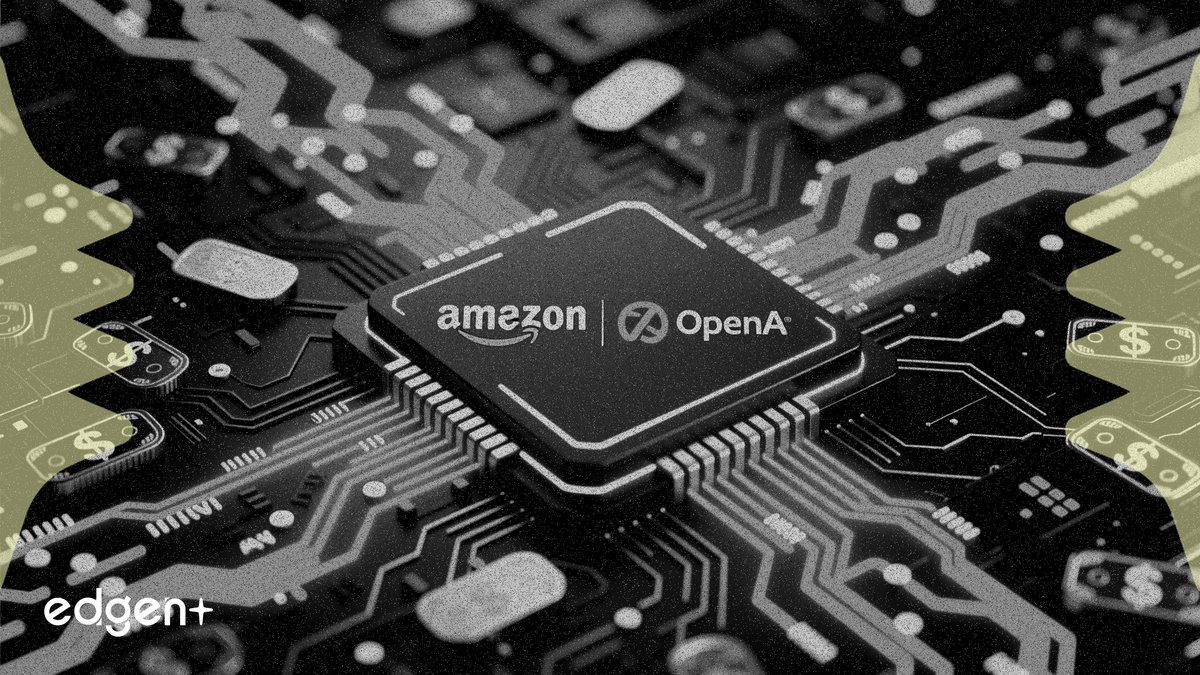
Khoản đầu tư hàng chục tỷ đô la của Amazon vào OpenAI báo hiệu một mặt trận mới trong cuộc chiến giành AI doanh nghiệp, thách thức trực tiếp vị thế lâu nay của Microsoft.
Amazon đang cam kết chi tới 50 tỷ USD để đồng phát triển các mô hình trí tuệ nhân tạo có trạng thái với OpenAI, một thỏa thuận mang tính bước ngoặt nhằm chiếm lĩnh thị phần lớn hơn trong thị trường AI doanh nghiệp dự kiến đạt 2,52 nghìn tỷ USD. Mối quan hệ đối tác chiến lược kéo dài nhiều năm này giúp Amazon Web Services cạnh tranh quyết liệt hơn với Microsoft và Google trong làn sóng chi tiêu AI của các tập đoàn tiếp theo.
"Các mô hình bền bỉ, có trạng thái là bước tiến lớn tiếp theo cho AI doanh nghiệp, chuyển từ hỏi đáp đơn giản sang các trợ lý liên tục, nhận thức được ngữ cảnh," một người phát ngôn của AWS cho biết trong một tuyên bố. "Sự hợp tác này sẽ cho phép khách hàng của chúng tôi trên Bedrock xây dựng các ứng dụng mà trước đây là không thể, với các mô hình ghi nhớ và suy luận trên lượng lớn dữ liệu độc quyền."
Thỏa thuận bao gồm khoản đầu tư ban đầu trị giá 15 tỷ USD từ Amazon, với thêm 35 tỷ USD tùy thuộc vào việc đáp ứng một số điều kiện chưa được tiết lộ. Là một phần của thỏa thuận, AWS và OpenAI sẽ cùng tạo ra một "Môi trường thực thi có trạng thái" được cung cấp bởi các mô hình của OpenAI, sẽ có sẵn trên Amazon Bedrock. Hơn nữa, AWS sẽ đóng vai trò là nhà cung cấp phân phối đám mây bên thứ ba độc quyền cho OpenAI Frontier, nền tảng đại lý doanh nghiệp của công ty AI.
Đối với Amazon, thỏa thuận này cung cấp một lý do thuyết phục cho các khoản chi phí vốn khổng lồ của mình, dự kiến đạt gần 200 tỷ USD vào năm 2026, phần lớn trong số đó hướng vào cơ sở hạ tầng AI. Đối với OpenAI, quan hệ đối tác cung cấp một nguồn vốn khổng lồ và sự đa dạng hóa cơ sở hạ tầng quan trọng khỏi đối tác lịch sử Microsoft, khi công ty chuẩn bị cho một đợt chào bán cổ phiếu ra công chúng tiềm năng vào cuối năm 2026.
Lợi thế có trạng thái
Sự tập trung của quan hệ đối tác vào các mô hình "có trạng thái" đánh dấu một sự chuyển dịch kỹ thuật đáng kể. Không giống như các API không trạng thái xử lý mọi truy vấn như một sự kiện mới, AI có trạng thái duy trì một bộ nhớ lâu dài về các tương tác trong quá khứ. Điều này cho phép mô hình xây dựng ngữ cảnh theo thời gian, cho phép các ứng dụng tinh vi hơn nhiều như các đại lý quản lý dự án dài hạn, bot dịch vụ khách hàng cá nhân hóa ghi nhớ toàn bộ lịch sử của người dùng và tự động hóa quy trình nội bộ phức tạp. Kiến trúc này giống với các máy chủ thế giới bền bỉ được sử dụng trong các trò chơi trực tuyến quy mô lớn, nơi môi trường và các đối tượng bên trong nó giữ nguyên trạng thái của chúng một cách độc lập với bất kỳ phiên người dùng nào.
Khả năng này rất quan trọng đối với việc áp dụng của doanh nghiệp, nơi các quy trình công việc là liên tục và đòi hỏi sự hiểu biết sâu sắc về ngữ cảnh. Nó trực tiếp giải quyết một hạn chế chính của các công cụ AI thế hệ hiện tại và tạo ra một hào cạnh tranh mạnh mẽ cho nền tảng AWS Bedrock.
Chuyển dịch các liên minh đám mây
Thỏa thuận này đến trong bối cảnh mối quan hệ giữa OpenAI và nhà tài trợ lớn đầu tiên của nó, Microsoft, đang trở nên nguội lạnh. Mặc dù hai bên vẫn có liên kết hợp đồng, OpenAI đã tích cực đa dạng hóa các đối tác cơ sở hạ tầng để giảm bớt sự phụ thuộc vào Microsoft Azure. Nhà lãnh đạo AI gần đây đã ký một thỏa thuận trị giá hàng tỷ đô la với Oracle và đã xây dựng một liên minh rộng lớn gồm các nhà tài trợ tài chính.
Trong một vòng gọi vốn gần đây mà CFO OpenAI Sarah Friar gọi là "thành công nhất trong lịch sử", công ty đang trên đà huy động được 120 tỷ USD từ các nhà đầu tư bao gồm T. Rowe Price, SoftBank và Nvidia, bên cạnh cam kết của Amazon. Sự hỗ trợ rộng rãi này rất quan trọng khi OpenAI hướng tới việc ra mắt thị trường đại chúng có thể chứng kiến mức định giá của nó đạt gần 1 nghìn tỷ USD. Mối quan hệ đối tác với Amazon, lớn nhất cho đến nay của họ, cung cấp một kênh mới mạnh mẽ để tiếp cận khách hàng doanh nghiệp và tạo ra doanh thu cần thiết để hỗ trợ mức định giá như vậy.
Khoản đầu tư xác nhận đặt cược rủi ro cao của Amazon vào việc xây dựng năng lực AI của mình, bao gồm các chip Trainium và Graviton tùy chỉnh, hiện đang chạy với tốc độ doanh thu hàng năm kết hợp vượt quá 10 tỷ USD. Mặc dù cổ phiếu của Amazon đã phải đối mặt với áp lực từ việc chi tiêu mạnh tay, mối quan hệ đối tác này cung cấp một con đường rõ ràng để kiếm tiền từ cơ sở hạ tầng đó với nhà cung cấp mô hình AI hàng đầu ngành. Nó gây áp lực trực tiếp lên Microsoft, công ty hiện thấy đối tác AI chính của mình đang hợp tác sâu sắc với đối thủ đám mây chính, và lên Google, công ty đang cạnh tranh với các mô hình Gemini của chính mình.
Bài viết này chỉ nhằm mục đích cung cấp thông tin và không cấu thành lời khuyên đầu tư.