

要旨
- ヘーゲンス・バーマン法律事務所は2026年5月15日、無効となった関税を補填するために価格を吊り上げたとして、アマゾンを提訴しました。
- 訴状によると、アマゾンは2025年2月に課され、後に違法と判断された関税のコストを消費者に転嫁したとされています。
- アマゾンは不当利得により、消費者に対し数億ドルの返金義務を負う可能性があります。
要旨
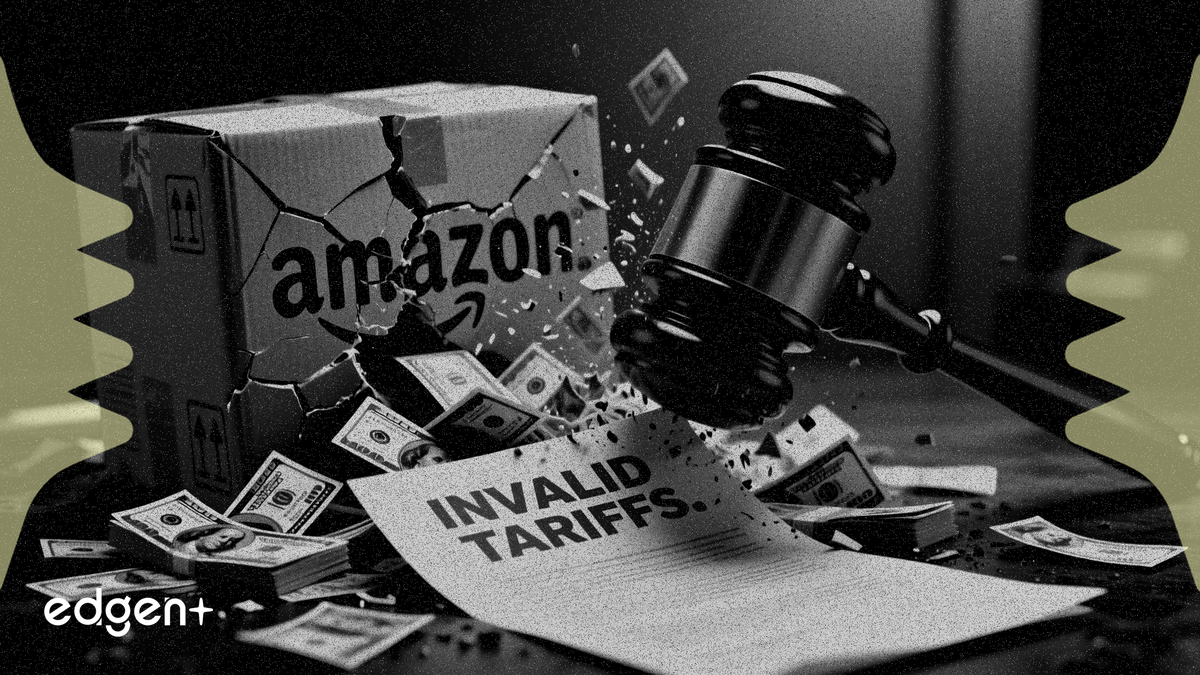
2026年5月15日に提起された消費者保護法に基づく訴訟により、アマゾン・ドット・コムが、その後無効となった輸入貨物への関税を補填するために価格を引き上げ、顧客から不当に数百万ドルを徴収した疑いが持たれています。
ヘーゲンス・バーマン法律事務所のマネージング・パートナー、スティーブ・バーマン氏は、「トランプ政権が非難の声を上げた際、アマゾンは優遇措置を求めるあまり、その要求に屈したと考えています。アマゾンの政治的・財務的な計算のツケを消費者が払わされた形です」と述べています。
ワシントン州西部地区連邦地方裁判所に提起されたこの訴訟は、2025年2月に中国製品へ関税が課された後、アマゾンが輸入製品の価格を引き上げたと主張しています。その後、最高裁判所によって関税が無効とされた際、アマゾンは政府に還付を求めず、吊り上げられた価格を維持したとされています。
この訴訟は、消費者が過払いしたとされる数億ドルの回収を目指しており、不当利得および州の消費者保護法違反を訴えています。このケースは、電子商取引の巨人に大きな財務的・名声的な打撃を与える可能性があります。
2025年2月4日、トランプ政権は中国からの輸入に対し10%の関税を課し始め、最終的には一部の品目で127.2%にまで上昇しました。訴状によると、この期間中、アマゾンは1,200点の低価格商品の価格を5.2%引き上げましたが、ウォルマートは同じ商品の価格を2%近く値下げしていました。
関税は「記録上の輸入者(Importer of Record)」が支払うものであり、関税が無効になった場合、その輸入者はコストを回収する権利を有します。訴訟では、直接販売する製品の輸入者であるアマゾンには多額の還付を受ける権利があり、それを消費者に還元すべきであると主張しています。
この訴訟の結果は、小売業者が関税に関連する価格変動や還付をどのように処理するかについての先例となる可能性があります。投資家は、アマゾンの財務や株価への潜在的な影響を考慮し、訴訟の進展を注視することになるでしょう。
この記事は情報提供のみを目的としており、投資助言を構成するものではありません。
