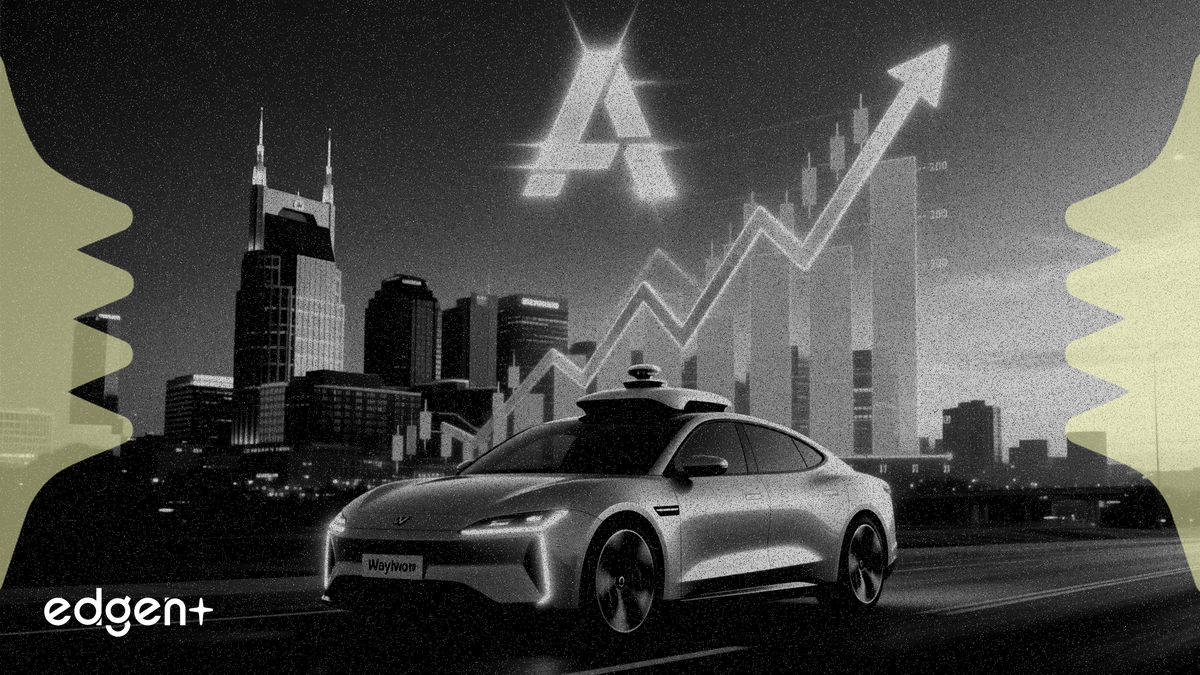
Mức tăng 4% của cổ phiếu Alphabet (NASDAQ: GOOGL) lên 317 USD vào thứ Tư cho thấy niềm tin ngày càng tăng của nhà đầu tư vào đơn vị lái xe tự động Waymo, sau khi ra mắt dịch vụ gọi xe thương mại tại Nashville. Việc tiến vào thành phố thứ 11 báo hiệu rằng khoản đặt cược hàng tỷ đô la của Alphabet vào công nghệ tự lái đang tiến tới một mô hình kinh doanh có thể mở rộng, đe dọa định hình lại thị trường giao thông đô thị.
"Bằng cách tận dụng các công nghệ của khu vực tư nhân như xe tự lái hoàn toàn của Waymo, chúng tôi đang mở rộng khả năng di chuyển theo những cách mà chúng tôi không thể tự mình đạt được và thúc đẩy tăng trưởng kinh tế hơn nữa", Thống đốc Tennessee Bill Lee cho biết trong một tuyên bố, xác nhận sự ủng hộ của tiểu bang đối với sáng kiến này.
Dịch vụ mới hoạt động trên vùng lãnh thổ rộng 60 dặm vuông ở Nashville, bao gồm các khu vực như Broadway, Midtown và East Nashville. Ban đầu, các chuyến đi có sẵn thông qua ứng dụng Waymo, với kế hoạch tích hợp vào nền tảng Lyft (NASDAQ: LYFT) vào cuối năm nay. Mô hình hợp tác này, trong đó Lyft sẽ quản lý việc bảo trì và vệ sinh xe, khác với sự hợp tác của Waymo với Uber (NYSE: UBER) ở các thành phố như Phoenix và Austin.
Mức tăng 4% trong giá cổ phiếu của Alphabet đã bổ sung thêm hơn 70 tỷ USD vào vốn hóa thị trường của mình, một sự xác nhận tài chính trực tiếp cho việc mở rộng tại Nashville. Đối với các nhà đầu tư, tiến trình này là sự xác nhận quan trọng cho phân khúc "Other Bets" của Alphabet, vốn lịch sử là một trung tâm chi phí đáng kể. Việc triển khai thành công cho thấy Waymo đang xây dựng con đường dẫn đến lợi nhuận, có khả năng biện minh cho mức định giá độc lập cao hơn và tăng cường cạnh tranh trong lĩnh vực xe tự lái.
Chiến lược của Waymo dường như là một trong những quan hệ đối tác linh hoạt để thúc đẩy quy mô. Mặc dù hợp tác với Uber và Lyft để gọi xe, họ sử dụng Avis cho các hoạt động kho bãi ở Dallas và công ty fintech Moove để quản lý đội xe ở Phoenix. Cách tiếp cận này gợi ý một mục tiêu dài hạn là trở thành nhà cung cấp công nghệ thay vì là một nhà điều hành độc lập, bán hệ thống lái xe tự động cho nhiều đối tác khác nhau.
Việc mở rộng diễn ra khi sự giám sát của công chúng và cơ quan quản lý đối với xe tự lái vẫn ở mức cao. Waymo thường chỉ ra dữ liệu an toàn của mình để chống lại những lo ngại này, báo cáo mức giảm đáng kể trong các vụ tai nạn gây thương tích so với người lái xe là con người qua hàng triệu dặm hoạt động. Công ty cũng đang thử nghiệm tại Sân bay Quốc tế Nashville, với kế hoạch phục vụ hành khách tại đó sớm, điều này sẽ bổ sung vào các dịch vụ sân bay hiện có của họ tại Phoenix, San Francisco và San Antonio.
Bài viết này chỉ nhằm mục đích cung cấp thông tin và không cấu thành lời khuyên đầu tư.