


Key Takeaways:
- AI stocks including Sandisk, Corning, and Intel fell as bond yields climbed
- U.S. 10-year Treasury yield held near 4.73%, Japan's JGB hit 3%
- Investors pulled $22.33 billion from U.S. equity funds, largest since March
Key Takeaways:
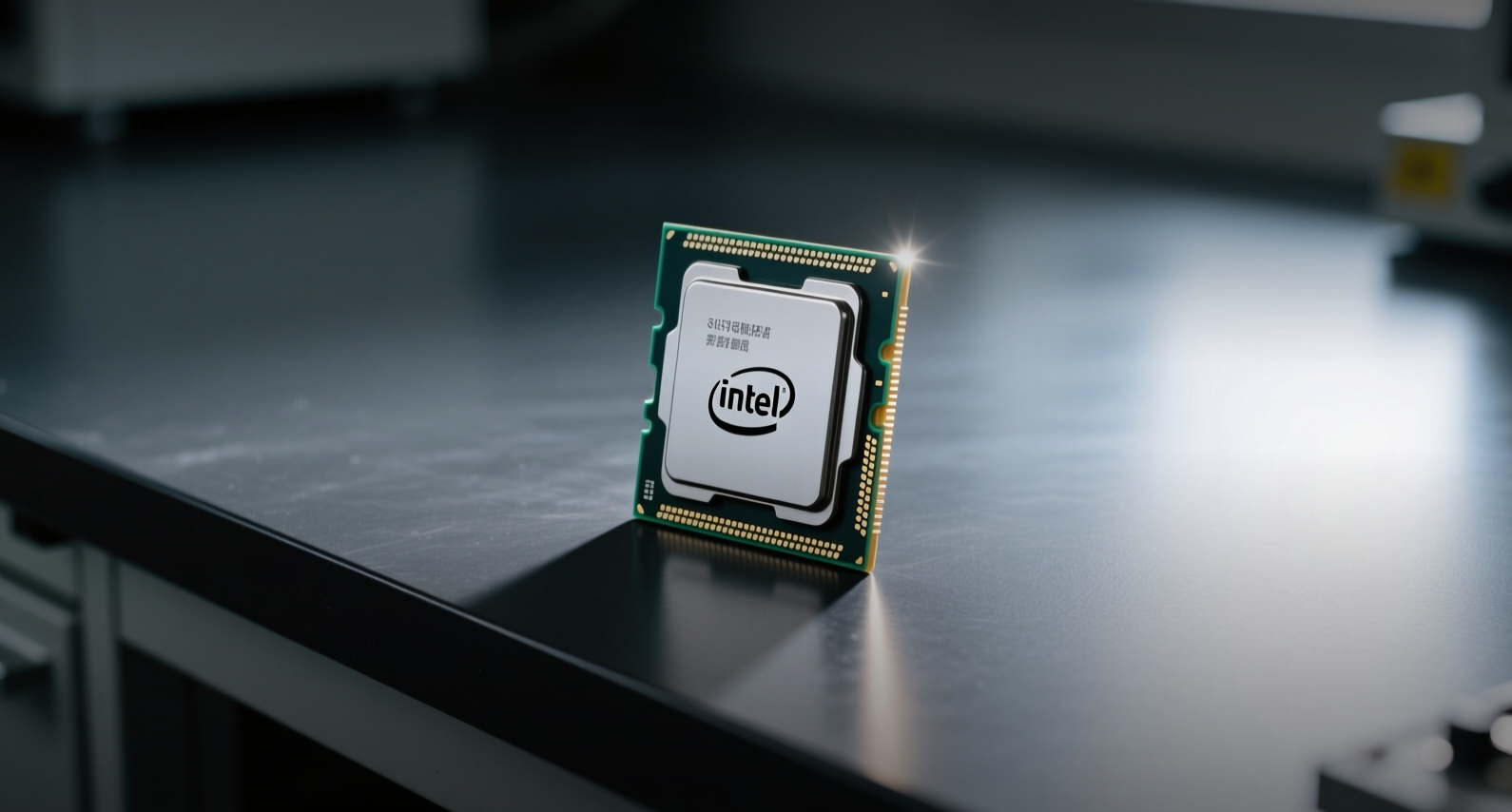
Rising bond yields are forcing investors out of high-valuation AI and growth names, with the 10-year Treasury yield near 4.73% pressuring the sector that led this year's rally.
AI hardware names including Sandisk, Corning, and Intel fell on Sept. 1 as investors dumped risk assets, extending a rotation that has punished expensive growth stocks since late August. The selloff tracked a global climb in government bond yields, with Japan's benchmark 10-year JGB yield touching 3% for the first time since 1996 and the U.S. 10-year Treasury yield holding near 4.73%.
"The move in yields is the single biggest variable for equity multiples right now," said Priya Mehta, equity strategist at a New York-based asset manager. "When the risk-free rate rises, the present value of earnings five years out shrinks, and that hits the AI trade hardest."
The pressure was broad. Marvell, Robinhood, Dell, and Novartis also declined as risk-off positioning swept through equities, according to Barron's. The pattern mirrors fund-flow data showing investors pulled $22.33 billion from U.S. equity funds in the week through Aug. 26, the largest outflow since March, with large-cap funds absorbing $24.73 billion in withdrawals while mid-cap and small-cap strategies drew inflows.
Yields Reshape the Growth Trade
The catalyst is a convergence of macro pressures. Federal Reserve Chair Kevin Warsh's Jackson Hole comments emphasized inflation risks, pushing U.S. yields higher and leaving investors to price a possible September rate increase. Persistent inflation, elevated government borrowing, and Brent crude above $90 following renewed Middle East tensions have compounded the move.
Higher yields raise the discount rate applied to future earnings, making growth shares whose valuations depend on profits years ahead more vulnerable. The transmission is visible across markets: Japan's Nikkei 225 closed at 66,215.34, down 0.15%, even as the broader TOPIX rose 0.62% to 4,181.86 for a ninth straight gain, as investors rotated from AI and semiconductor names into utilities, banks, and trading houses.
U.S. bond funds attracted $7.12 billion in the latest week, extending an inflow streak to 19 consecutive weeks, while global bond funds took in $10.25 billion. The contrast with equity outflows signals a defensive tilt as investors weigh whether yields can stabilize.
What's at Stake
The trajectory of the 10-year Treasury yield now determines whether the AI de-rating deepens. If yields push clearly above 4.75%, valuation compression across semiconductor and AI infrastructure names could persist into the September Federal Reserve meeting. If they stabilize, investors may treat the level as a new equilibrium and rotate back into growth.
The yen near 159.80 to the dollar and oil in the low-$90 range add to the cross-asset pressure, keeping inflation expectations elevated and complicating central bank policy. U.S. jobs data and next week's producer and consumer price figures will be the next catalysts, with the Fed's September meeting and the Bank of Japan's Sept. 17-18 decision shaping whether the yield run-up extends.
This article is for informational purposes only and does not constitute investment advice.
