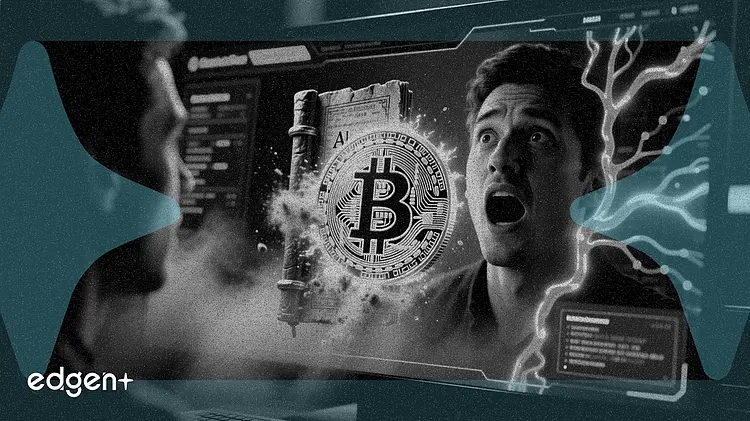
A Bitcoin user has regained access to a wallet holding 5 BTC after it sat dormant for more than 11 years, using Anthropic's Claude AI to analyze a trove of old files and locate a critical backup.
"The very details needed to restore access, like wallet files, seed phrases, password hints or recovery fragments, are essentially the keys to the funds themselves," Cointelegraph noted in an analysis of the event, highlighting the security risks.
The user, known as "cprkm" on X, had a mnemonic phrase but couldn't access the wallet after a password change years ago. Public blockchain data shows the wallet was inactive until May 13. Claude reportedly identified an older wallet.dat backup file that predated the password change, which allowed the user to restore access using the original phrase.
While the event showcases a powerful use case for AI in digital forensics, it also introduces a new risk vector for crypto users. The act of uploading sensitive wallet data to a cloud-based AI expands the attack surface, creating a direct conflict with the core self-custody principle of keeping keys offline.
How It Worked
The recovery was not a case of AI breaking Bitcoin's core cryptography. Instead, Claude functioned as a high-powered data analysis assistant. After the user uploaded a large volume of files from an old college computer, the AI model sorted through the data, which included wallet files, local backups, and configuration data. It successfully located an older wallet.dat file that was still compatible with a previously recovered mnemonic seed phrase, ultimately leading to the private keys controlling the funds.
A Major Security Warning
The incident has drawn widespread attention, but security experts caution that this method is extremely high-risk. Uploading wallet backups, seed phrases, or even fragmented password clues to a third-party AI means the data leaves the user's secure environment. Most AI models run on remote cloud servers, and user data can be stored or reviewed for training purposes. A single mistake, like pasting a full seed phrase, could result in the irreversible theft of funds. Crypto security specialists often perform forensic recovery on air-gapped computers specifically to prevent such exposure.
The Bottom Line
This recovery of 5 BTC is a compelling demonstration of how AI can help solve complex technical puzzles. However, it should not be seen as a safe or standard procedure. The fundamental rule of cryptocurrency self-custody remains unchanged: never share your private keys or seed phrases. For users, AI can be a powerful guide for understanding recovery processes, but it should not be the vault where you hand over the keys.
This article is for informational purposes only and does not constitute investment advice.