

Drone warfare has entered an unprecedented era, with lessons from Ukraine and Iran reshaping how the US military approaches autonomous and counter-drone systems.
Drone warfare has entered an unprecedented era, with lessons from Ukraine and Iran reshaping how the US military approaches autonomous and counter-drone systems.
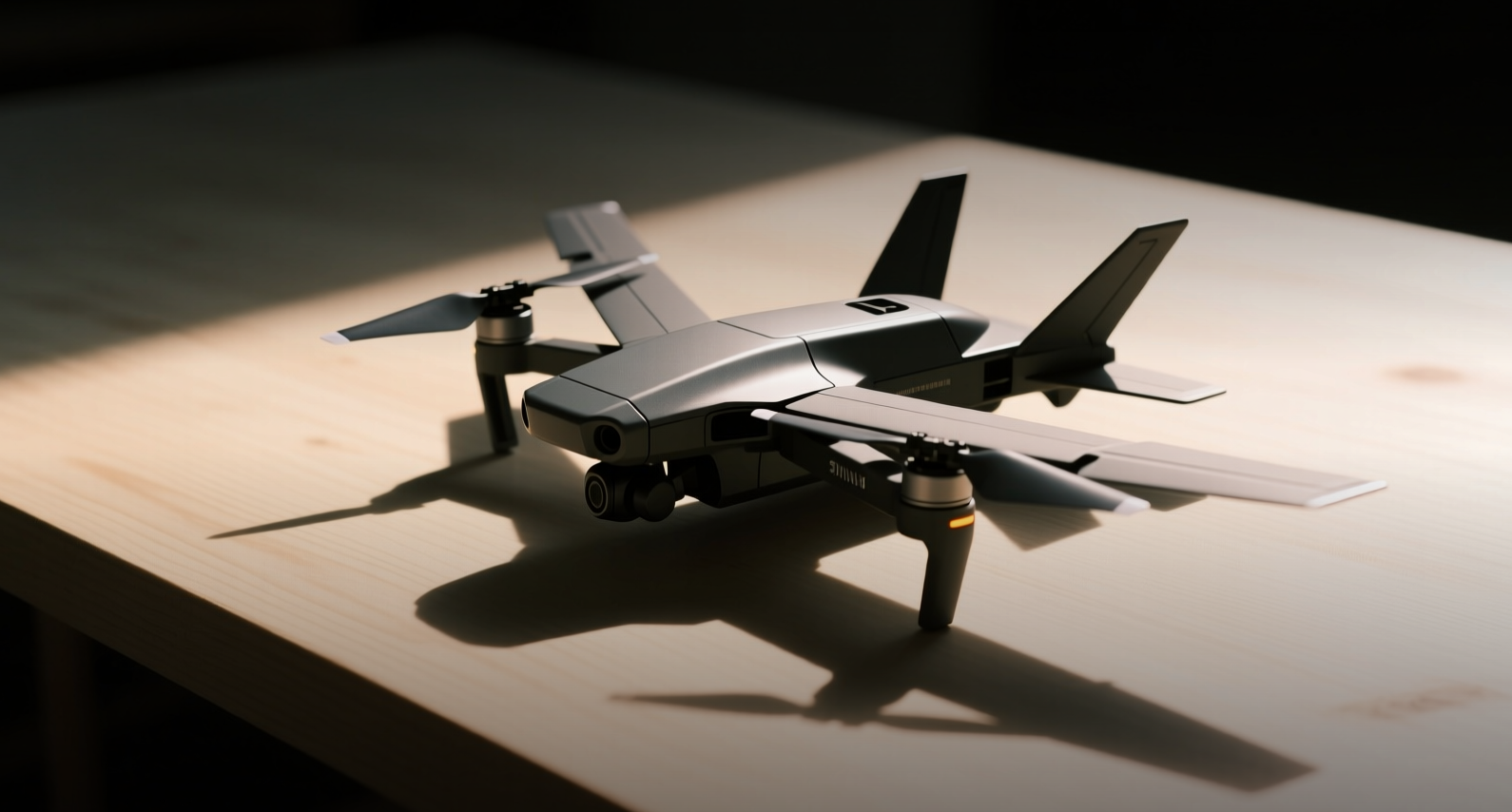
AeroVironment Chief Executive Officer Wahid Nawabi said drone warfare has entered an unprecedented era, with autonomous systems and counter-drone technology becoming central to modern combat after lessons from conflicts in Ukraine and Iran.
"The changing face of warfare demands that we scale autonomous and counter-drone systems at a pace we've never seen before," Nawabi, CEO of AeroVironment, said on Fox Business's "Mornings with Maria." "The lessons from Iran and Ukraine are clear — this is no longer a future threat, it's the present reality."
The conflicts in Ukraine and Iran have demonstrated the critical role of drones in modern warfare, with both state and non-state actors deploying unmanned systems for surveillance, precision strikes, and swarm tactics. AeroVironment, a leading US manufacturer of unmanned aircraft systems, has seen increased demand for its Switchblade loitering munitions and Puma small unmanned aircraft systems as defense budgets shift toward autonomous capabilities. The company's stock has gained more than 40% over the past 12 months as the Pentagon accelerates procurement of drone and counter-drone systems.
The shift carries significant implications for defense spending. Global military expenditure reached $2.44 trillion in 2025, with drone and counter-drone systems representing one of the fastest-growing segments. The US Department of Defense has allocated more than $1 billion annually for counter-unmanned aircraft systems programs, a figure analysts expect to grow as threats from inexpensive commercial drones proliferate on battlefields.
The Ukraine conflict has been a proving ground for drone warfare, with both sides deploying thousands of unmanned systems monthly. First-person-view drones have become a staple of frontline combat, while longer-range strike drones have targeted infrastructure deep behind enemy lines. Iran has meanwhile supplied drones to Russia and developed its own advanced unmanned capabilities, demonstrating how drone technology has become a strategic equalizer for nations with limited conventional air power.
Lessons From the Battlefield
The proliferation of cheap, commercially available drones has created a new category of threat that traditional air defense systems were not designed to counter. A single FPV drone can cost as little as $500, while the missile used to intercept it can cost millions — an economic asymmetry that has driven demand for directed-energy weapons and electronic warfare solutions. AeroVironment's counter-drone portfolio includes radio-frequency sensors and kinetic interceptors designed to address this cost imbalance.
The last major shift in defense procurement toward unmanned systems occurred after the 2001 Afghanistan invasion, when Predator drones became central to US counterterrorism operations. The current transition is broader in scope, encompassing everything from small tactical drones to AI-enabled autonomous swarms, and involves a wider range of contractors including Kratos Defense & Security Solutions and General Atomics.
For investors, the shift represents a structural growth opportunity in defense technology. The global counter-drone market alone is projected to reach $6.5 billion by 2030, growing at a compound annual rate of more than 25%, according to industry estimates. Companies with exposure to autonomous systems, electronic warfare, and directed energy — including AeroVironment, Kratos, and RTX — stand to benefit as the Pentagon prioritizes these capabilities in its budget.
The US defense budget for fiscal 2027, currently under negotiation, is expected to include significant increases for drone and counter-drone programs. Nawabi's comments suggest AeroVironment is positioning to capture a larger share of that spending as the military shifts from traditional platforms to autonomous systems.
This article is for informational purposes only and does not constitute investment advice.
