
Adnoc Gas is betting more than $8 billion that the UAE's exit from OPEC will unlock the volumes needed to turn the emirate into a global gas powerhouse.
Adnoc Gas is betting more than $8 billion that the UAE's exit from OPEC will unlock the volumes needed to turn the emirate into a global gas powerhouse.
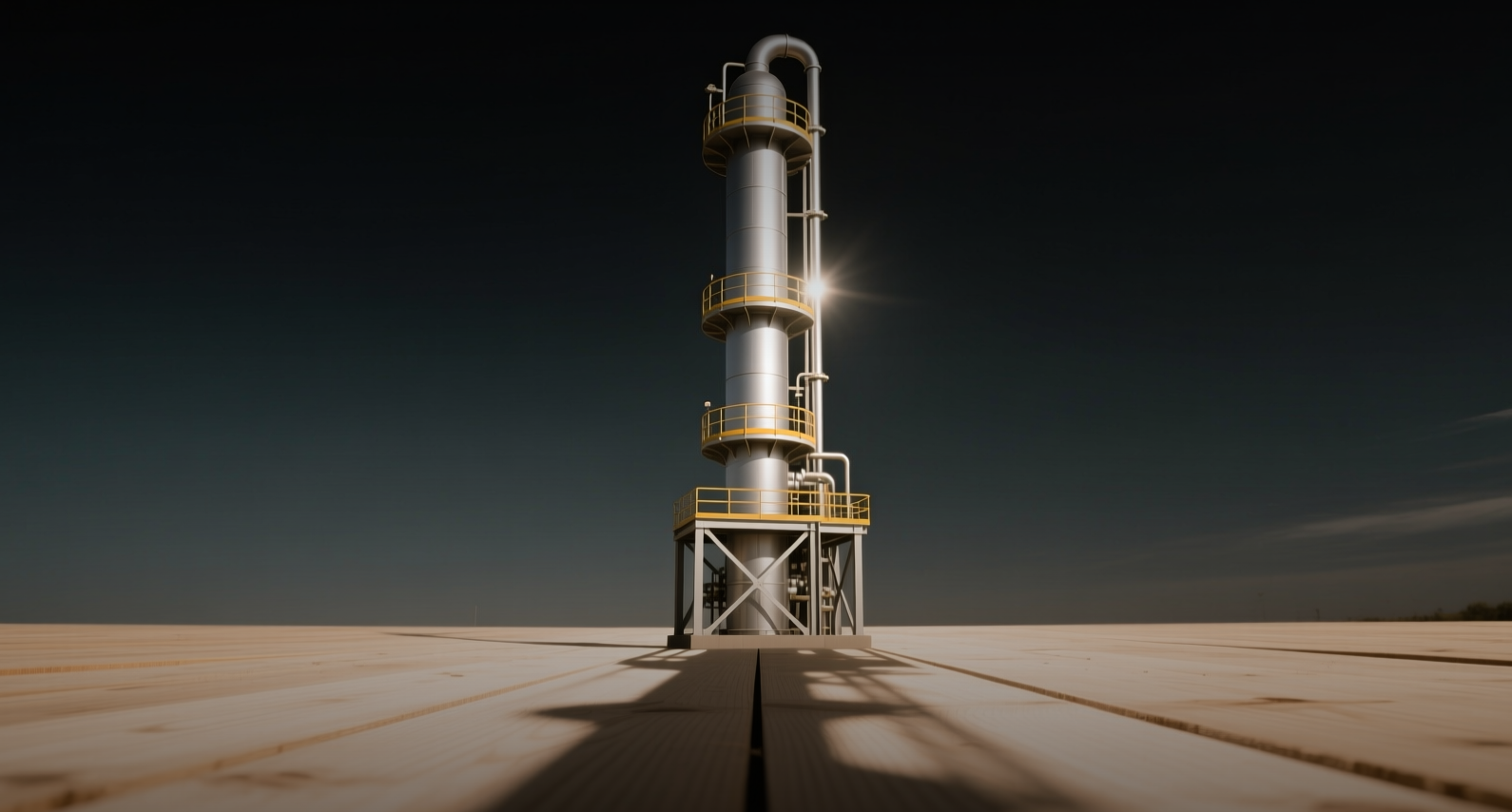
Adnoc Gas is betting more than $8 billion that the UAE's exit from OPEC will unlock the volumes needed to turn the emirate into a global gas powerhouse.
Adnoc Gas will invest more than $8 billion to build a new natural gas processing unit at Habshan and an export facility at Ruwais, bringing total spending on its Rich Gas Development project to $13.2 billion as the UAE's departure from OPEC removes production constraints.
"It isn't that the U.A.E.'s departure from OPEC has suddenly made the projects viable, but it is derisking this investment," Peter Van Driel, chief financial officer at Adnoc Gas, said in an interview.
The new investment follows the $5 billion committed in June 2025 under Phase 1, which focused on debottlenecking constraints across existing plants. The company raised its 2030 EBITDA target to above $12 billion, a 60 percent increase from the 2023 baseline of $7.61 billion, up from a prior target of 40 percent growth by 2029.
The expansion comes as parent ADNOC targets 5 million barrels of oil equivalent per day by 2027 and recently said it would tap two large gas reservoirs at the Umm Shaif and Bab oil fields. But the strategy carries risk: Q2 net income fell to $665 million from $1.39 billion a year earlier as shipping through the Strait of Hormuz slowed to a trickle during the Iran war.
OPEC Exit Unlocks Higher-Margin Gas
The UAE's withdrawal from OPEC freed Abu Dhabi from the cartel's quota restrictions and gave Adnoc Gas access to more associated gas found alongside oil reserves. That gas is higher in natural gas liquids — ethane, propane and butane — which command premium margins and are predominantly used for exports.
"[The] OPEC exit for Adnoc Gas has been really good news," Van Driel said.
The Rich Gas Development project is designed to give Adnoc Gas access to high-margin gas it can convert into premium products, driving earnings growth. The company is already one of the world's largest natural gas producers, and the expansion targets rising domestic demand fueled by population growth and power-hungry data centers.
The expansion also positions Adnoc Gas to capture a larger share of global LNG demand, which is projected to grow as Asian economies shift from coal and European buyers seek alternatives to Russian pipeline gas. The company's access to higher-margin associated gas, unlocked by the OPEC exit, gives it a cost advantage over competitors that must process leaner gas streams.
The UAE's exit from OPEC was widely read as a statement of intent aimed at reshaping regional power dynamics, where oil production has delivered vast riches but fueled competition for leadership. The move also freed the country to pursue its own production targets without quota constraints, a structural shift that underpins the gas expansion.
Conflict Risk Weighs on Near-Term Earnings
The company guided third-quarter net income of up to $800 million, reflecting continued disruption in the Gulf. The Strait of Hormuz, through which about a fifth of the world's oil and gas flowed before the Iran war began, has seen shipping reduced to a trickle.
The conflict has also hit ADNOC's broader operations. ADNOC Logistics & Services recently agreed to acquire 11 tankers for approximately $1.3 billion to expand its maritime fleet, and ADNOC said 15 of its vessels have been attacked by missiles and drones while transiting the Strait of Hormuz, resulting in one fatality and 20 injuries to crew members.
Van Driel said the raised EBITDA target relies on the situation in the Gulf returning to, and staying, normal. The company's growth strategy is nonetheless a statement of intent: the UAE is ramping up oil production to establish itself more prominently as an energy superpower, and the gas processing expansion is central to that ambition. If the conflict persists, however, the company's ability to ship product through Hormuz will remain constrained, potentially delaying the earnings uplift the new capacity is designed to deliver.
This article is for informational purposes only and does not constitute investment advice.
