

Abbott's Libre Duo 10 Day is the first device to meet the FDA's new integrated continuous glucose and ketone monitoring standard, opening a new category in diabetes care.
Abbott's Libre Duo 10 Day is the first device to meet the FDA's new integrated continuous glucose and ketone monitoring standard, opening a new category in diabetes care.
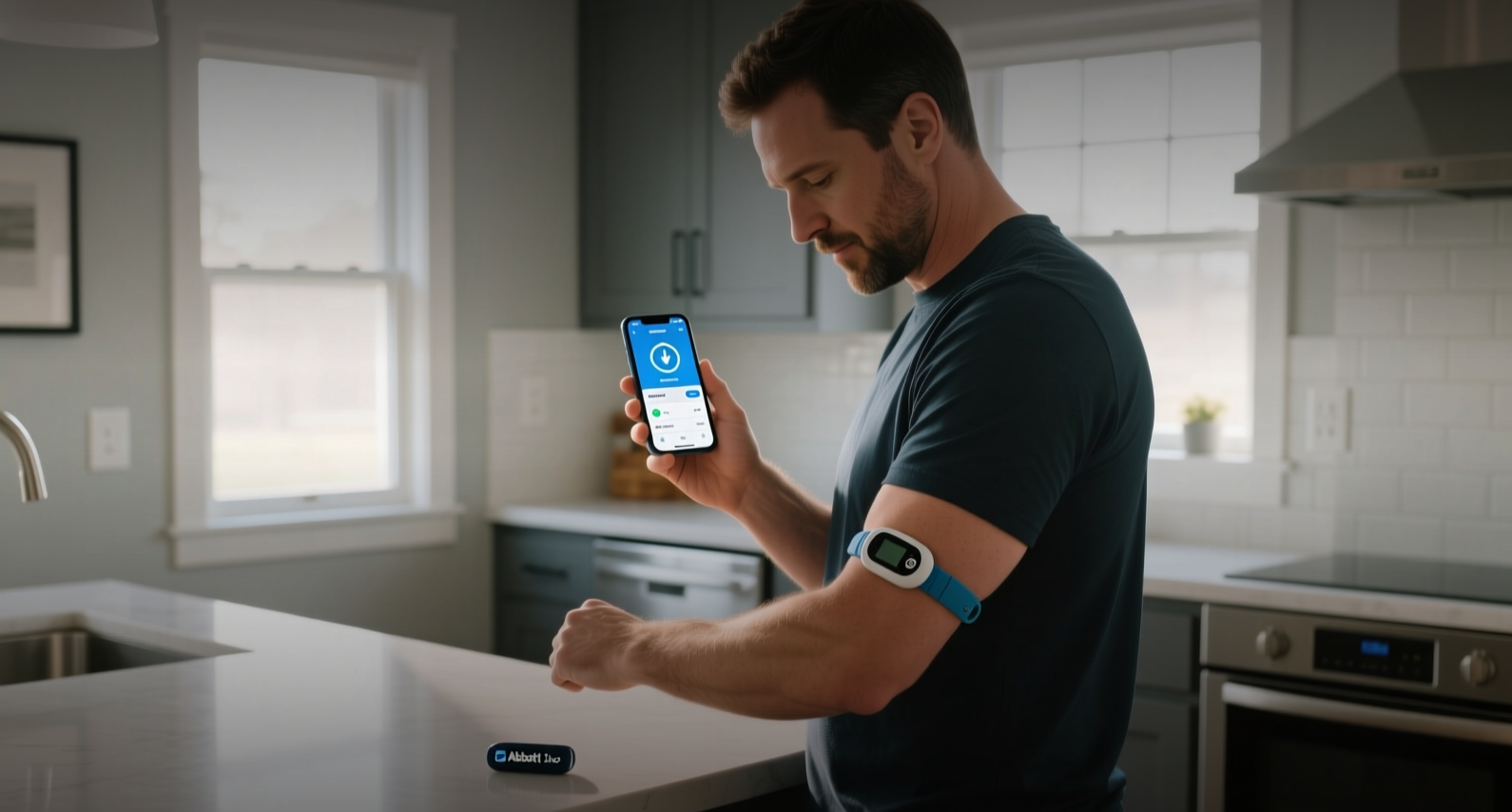
Abbott received FDA De Novo authorization for Libre Duo 10 Day, the first dual glucose-ketone continuous monitoring system, expanding its diabetes franchise beyond the 8 million people currently using Libre sensors.
"If glucose is the speedometer, ketones are like the check engine light—providing an alert that something may need attention," Chris Scoggins, executive vice president of Abbott's diabetes care business, said.
The sensor offers up to 10 days of wear for people with diabetes aged 2 and older. It is the first system to meet both the FDA's integrated continuous glucose monitoring (iCGM) standard and the new iCGK standard for continuous ketone monitoring. A study showed 84.1 percent of adult sensors and 68.8 percent of pediatric sensors lasted the full 10 days. The device integrates with the latest Libre app and the LibreView and LibreLinkUp platform.
DKA hospital admissions have risen 55 percent over the past decade, and most people with diabetes lack access to a blood ketone meter at home. Abbott plans a U.S. launch later this year, with connectivity to Beta Bionics' iLet and Sequel Med Tech's twiist AID systems expected by year-end, and Insulet, Tandem and MiniMed smart dosing systems in 2027.
The De Novo pathway means the device has no predicate — a new category that the FDA will use to set the benchmark for future continuous ketone monitors. Abbott secured breakthrough device designation before the authorization, which expedited the review process.
DKA is the most common hyperglycemic emergency for people with diabetes. The condition develops when the body lacks sufficient insulin and begins breaking down fat for energy, causing ketone levels to rise to dangerous levels in the blood. According to the American Diabetes Association, DKA can progress within hours and, if left untreated, can lead to coma or death. Early signs of rising ketones are often mistaken for common infections, resulting in delayed treatment.
"As a physician, I see how quickly DKA can develop—and how often early warning signs or opportunities to measure ketones are missed," said Jennifer Sherr, M.D., Ph.D., pediatric endocrinologist at Yale School of Medicine. "Abbott's dual glucose-ketone system is meaningful because ketone data is collected in the background, helping provide earlier awareness of rising ketone levels."
Traditional continuous glucose monitors from Dexcom and Medtronic track glucose but do not measure ketones. Blood and urine ketone tests provide only a single point-in-time reading, and most patients do not have a blood ketone meter at home. Libre Duo 10 Day continuously tracks both biomarkers in the background, alerting users when ketone levels rise — even when glucose appears stable. This matters because DKA can develop even when glucose levels appear normal, according to the American Diabetes Association.
The device is designed for people with Type 1 or Type 2 diabetes who use insulin or glucose-lowering medications such as SGLT2 inhibitors, which carry elevated DKA risk. Abbott received CE Mark for Libre Duo systems in Europe earlier this year.
Dexcom G7 has no ketone measurement
The authorization puts Abbott ahead of Dexcom in the race to add ketone monitoring to continuous sensing. Dexcom's G7 CGM, which received FDA clearance in 2022, does not measure ketones. Abbott's dual-sensor approach also creates a potential integration advantage with automated insulin delivery systems, with partnerships across Beta Bionics, Sequel Med Tech, Insulet, Tandem and MiniMed. The company expects Libre Duo 10 Day to work with Beta Bionics' iLet and Sequel Med Tech's twiist AID systems by the end of this year, with Insulet and Tandem devices following in 2027. Abbott and MiniMed are collaborating on an exclusive integration between Abbott-manufactured dual glucose-ketone sensors and MiniMed smart dosing systems, also expected in 2027.
Recurring revenue from 10-day sensor cycle
Abbott's diabetes care segment is a key growth driver for the company, which employs 122,000 people across more than 160 countries. The Libre franchise already generates recurring revenue from sensor replacements every 10 to 14 days. Adding ketone monitoring to the same sensor could expand the addressable market by attracting patients who need closer monitoring of DKA risk, particularly those on SGLT2 inhibitors. The dual-sensor capability also strengthens Abbott's position in the automated insulin delivery market, where sensor compatibility is a key competitive factor.
This article is for informational purposes only and does not constitute investment advice.
