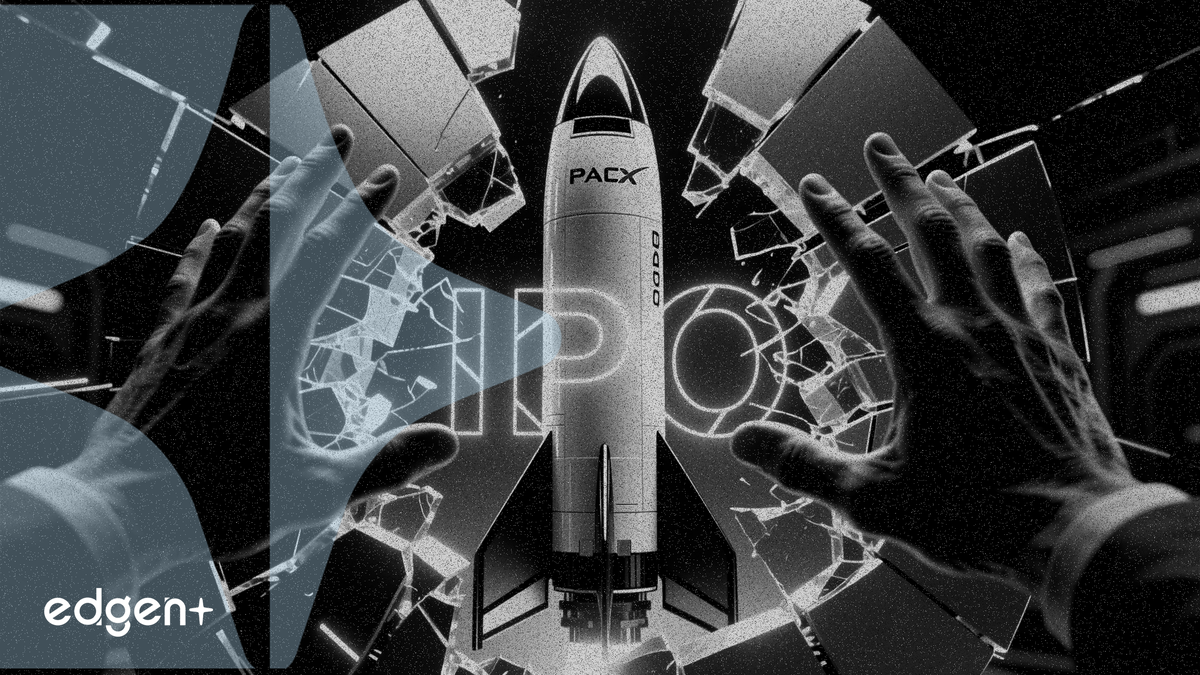
BOSTON – Leaders of three of the largest U.S. public pension systems have issued a formal challenge to SpaceX’s proposed initial public offering, labeling its governance structure “extreme” and urging CEO Elon Musk to abandon provisions that would severely limit shareholder rights.
“The IPO would constitute the most management-favorable governance structure ever brought to the U.S. public markets at this scale,” New York State Comptroller Thomas DiNapoli, New York City Comptroller Mark Levine, and California Public Employees' Retirement System (CalPERS) CEO Marcie Frost wrote in a letter sent to Musk reviewed by Reuters.
The pension officials, who collectively oversee more than $1 trillion in assets, detailed multiple governance red flags. Objections centered on a dual-class share structure giving insiders super-voting rights, a provision allowing Musk to veto his own removal, and the use of mandatory arbitration for shareholder claims, which would eliminate class-action lawsuits. The letter also flagged the company's reincorporation in Texas, which could require investors to hold a 3% stake to pursue certain litigation—a threshold the funds noted only Musk himself could likely meet.
This public rebuke from some of the nation's most influential institutional investors creates a significant hurdle for what is expected to be one of history's largest IPOs. The pension systems would likely become major shareholders of SpaceX through passive index funds if the company is added to benchmarks like the Nasdaq 100, forcing them to hold a stock with a governance structure they have deemed unacceptable.
The letter highlights a growing tension between tech founders seeking ironclad control and institutional investors demanding greater accountability. While dual-class structures are common in tech—used by companies like Meta Platforms Inc. and Snap Inc. to protect founders from short-term market pressures—the pension leaders described SpaceX's combination of measures as unprecedented.
Further concerns were raised about potential conflicts of interest stemming from Musk’s simultaneous leadership roles at Tesla, X (formerly Twitter), and xAI. The letter noted that with Musk serving as CEO, CTO, and chair of SpaceX, public shareholders would have "no independent board majority, no functioning derivative remedy and no entitlement to true judicial review" to address inevitable conflicts.
The opposition from these powerful funds places significant pressure on SpaceX to amend its governance before a public filing. The next catalyst will be the release of the company's formal S-1 registration statement, which will reveal whether it has addressed the concerns or intends to proceed with its founder-friendly terms.
This article is for informational purposes only and does not constitute investment advice.