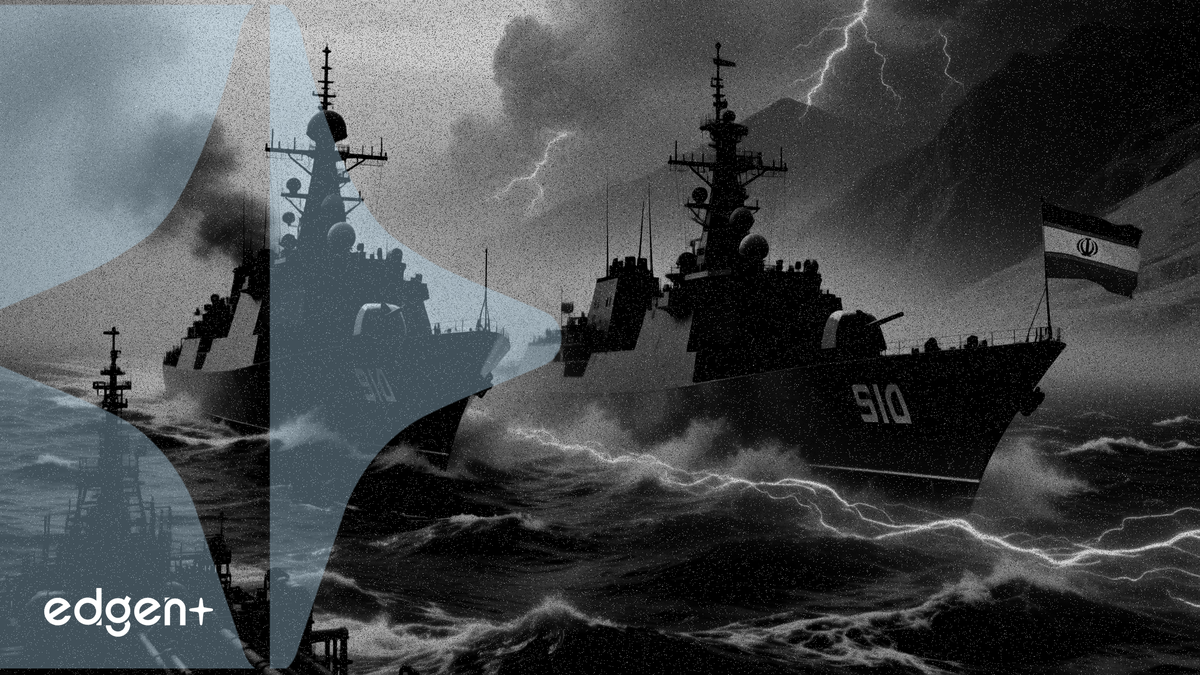
At least two vessels have defied a new US naval blockade of Iran, signaling a sharp escalation of risk in a waterway that handles over 20 percent of the world's oil.
Back
At least two vessels have defied a new US naval blockade of Iran, signaling a sharp escalation of risk in a waterway that handles over 20 percent of the world's oil.

An Iranian-flagged landing craft and a sanctioned supertanker navigated the Strait of Hormuz on Monday, breaching a new U.S. naval blockade in a direct challenge to Washington's containment policy and sending a fresh wave of uncertainty through global energy markets.
The naval blockade is a violation of international law, Arsenio Dominguez, head of the U.N. agency responsible for shipping safety, the International Maritime Organization, said at a news conference in London. He said countries “don’t have the right to blockade an international strait that is used for international navigation,” adding that the action “just doesn’t really help anything in finding a solution to the conflict.”
According to a report from UK maritime analytics firm Windward, the Iranian-flagged landing craft departed from Iran's Abbas port on April 14. Separately, a US-sanctioned very large crude carrier was observed moving through the strait. This followed the passage of two other Iran-linked tankers, the Auroura and New Future, which exited the strait hours before the blockade officially began, according to global ship-tracking firm Kpler. Daily vessel traffic has plummeted to just 28 crossings in the last two days from a pre-war average of over 120.
The breach escalates a direct confrontation in the world's most critical oil chokepoint, threatening the 21 million barrels of oil that pass through it daily. With 20,000 seafarers already stranded on 1,600 vessels in the Persian Gulf, the blockade creates a flashpoint that could disrupt the global economy and endanger lives. The primary risk is a miscalculation leading to military conflict, which would immediately halt all shipping and cause a severe oil price shock.
The defiance from Iran follows a stark warning from the United States. President Trump stated on social media that the U.S. Navy would attack any Iranian ships attempting to cross the blockade, vowing they would be “immediately ELIMINATED.” This rhetoric raises the stakes for any vessel attempting the passage, with major shipping companies not linked to Iran showing an “incredibly low” risk appetite for the crossing, according to Kpler analyst Alexis Ellender.
The blockade itself is being challenged as illegal under international maritime law. The United Nations Convention on the Law of the Sea protects the right of "transit passage" through international straits. Dominguez's condemnation highlights the lack of international support for the U.S. action, framing it as a unilateral move that undermines established maritime norms and complicates efforts to de-escalate the regional conflict.
This event significantly increases the geopolitical risk premium priced into crude oil. The potential for a sharp spike in prices, which would fuel global inflation, has grown. The last time the Strait of Hormuz was seriously threatened during the 2019-2020 tensions, Brent crude futures jumped over 15 percent. A full-scale closure could see prices double, according to some analysts. The heightened uncertainty is likely to drive investors away from riskier assets like stocks and towards safe havens such as gold and the US dollar.
This article is for informational purposes only and does not constitute investment advice.