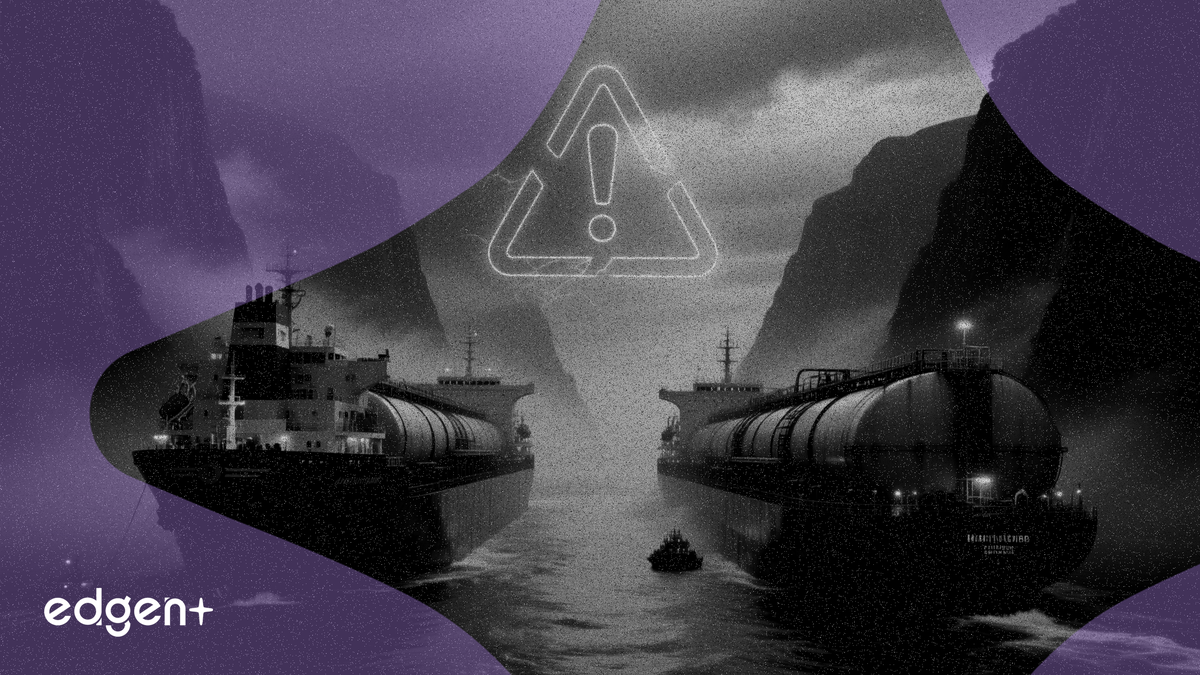
Ten tankers and other vessels sailing toward the Strait of Hormuz turned back on April 18, a significant escalation in maritime disruptions that threatens to tighten the global supply of oil.
Ship tracking data shows that the vessels, many of which were crude oil tankers listing India as their destination, reversed course after approaching waters near Iran's Larak Island. The incident introduces a new layer of physical risk to a market that had been focused on the possibility of a diplomatic breakthrough between the U.S. and Iran.
"While there are hopes for de-escalation, many investors remain skeptical, given that U.S.-Iran talks have repeatedly broken down even after appearing to make progress," said Toshitaka Tazawa, an analyst at Fujitomi Securities. Oil prices had fallen in earlier trading on hopes for such a deal, with Brent crude dropping 0.5 percent to $94.49 a barrel and U.S. West Texas Intermediate crude falling 0.8 percent to $90.59.
The reversal by the ships highlights the precarious nature of transit through the world’s most important oil chokepoint. The Strait of Hormuz handles about 20 percent of global oil and liquefied natural gas flows, and any sustained interruption poses a significant threat to the world economy.
Prices Disconnected From Physical Risk
The modest dip in oil futures contrasts sharply with the growing physical risk in the Persian Gulf. The U.S.-Israeli conflict with Iran has already led to the largest disruption of energy supplies on record after Iran began interrupting traffic through the strait. In response, the U.S. has blockaded shipping from Iranian ports, which its military says has halted all of the country's sea-based trade.
Despite the active conflict, oil traders had recently priced in a higher probability of a deal to end the war, with officials from both sides weighing a return to Pakistan for further negotiations. This optimism now confronts the reality of shippers being unwilling to risk transit.
Why It Matters
A potential blockade or major disruption in the Strait of Hormuz could lead to a sharp spike in global oil prices due to supply fears. This would increase inflationary pressures, raise shipping and insurance costs, and likely have a negative impact on global equity markets and economic growth. Energy-importing countries, particularly in Asia, would be the most vulnerable to a supply shock.
"Until a peace deal is reached and free navigation through the strait is restored, WTI prices are expected to continue fluctuating between $80 and $100," Tazawa added, highlighting a wide trading range that reflects deep uncertainty. The situation remains fluid, with markets caught between hopes for a diplomatic resolution and the tangible risks demonstrated by the 10 ships that turned back.
This article is for informational purposes only and does not constitute investment advice.