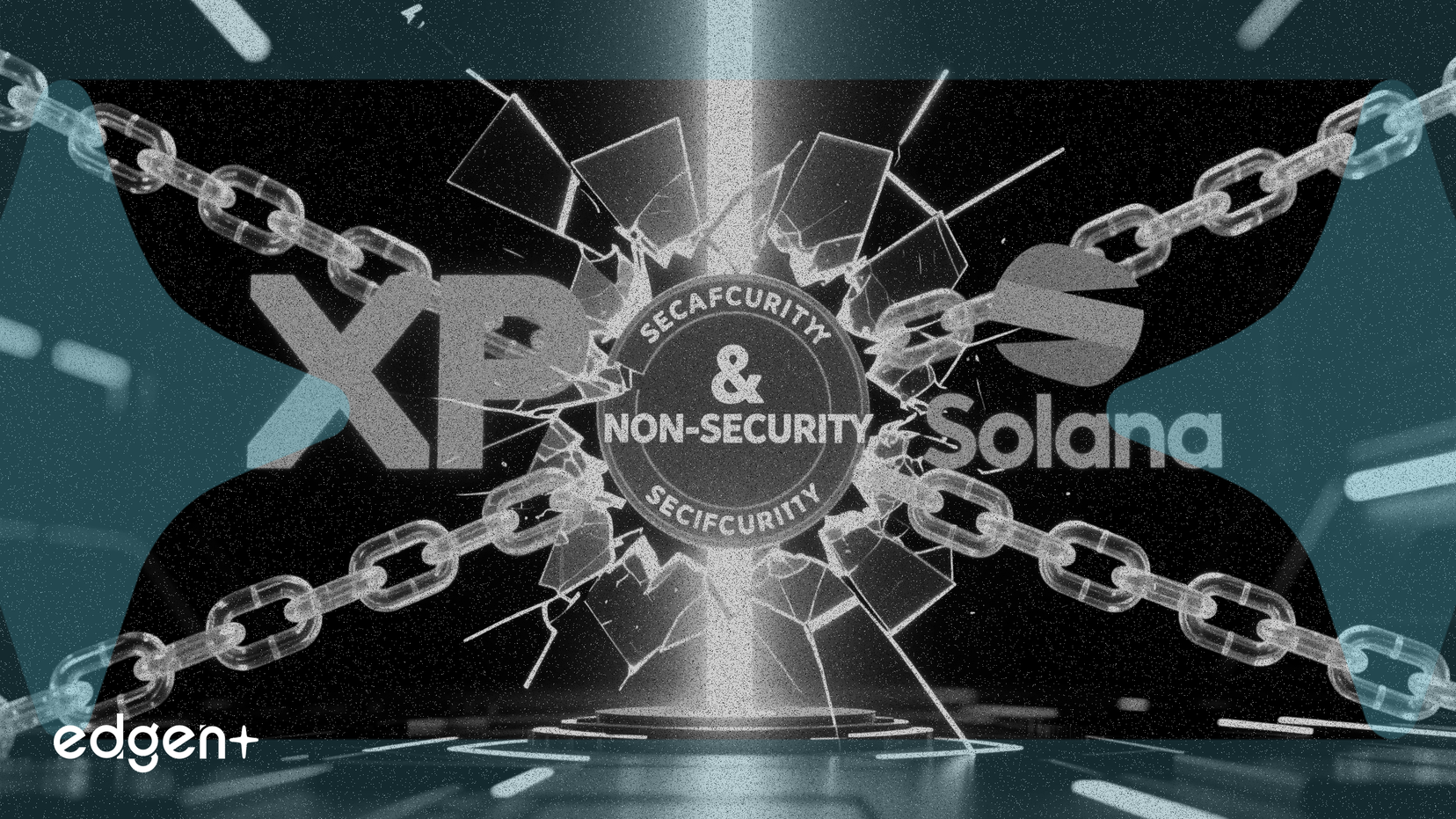
Taslak Yasa Altcoinler İçin SEC Kurallarını Aşma Yolu Öneriyor
Yaklaşan bir ABD kripto para yasa tasarısının taslak hükmü, belirli dijital varlıklar için yeni bir sınıflandırma önererek, XRP, Solana ve Dogecoin gibi büyük tokenleri Menkul Kıymetler ve Borsa Komisyonu (SEC) yetki alanından potansiyel olarak çıkarabilir. Yasa, "yardımcı olmayan" varlıklar kategorisi oluşturacaktır. Bir token 2026 yılına kadar bir Borsa Yatırım Fonu'na (ETF) dahil edilirse, bu statüyü almaya hak kazanabilir ve böylece menkul kıymet olarak düzenlenmekten etkin bir şekilde muaf tutulur. Bu hamle, önemli düzenleyici açıklık sağlayacak ve birçok altcoin'in fiyatlarını uzun süredir baskılayan yasal riskleri azaltarak, Bitcoin ve Ethereum'un ötesinde daha geniş kurumsal benimsenmenin kapısını aralayabilir.
Senatör Warren 401(k) Kripto Riskleri Konusunda SEC'e Meydan Okuyor
Bu yasama hamlesi, artan siyasi inceleme zemininde gelişiyor. Senatör Elizabeth Warren, SEC Başkanı Paul Atkins'e doğrudan meydan okuyarak, kurumun Amerikan emeklilik hesaplarını kriptonun içsel risklerinden nasıl koruyacağını sordu. Atkins'e yazdığı bir mektupta Warren, oynak kripto varlıklarının 401(k) planlarına dahil edilmesinin "işçiler ve ailelerin büyük kayıplar yaşaması için verimli bir zemin" oluşturduğu konusunda uyardı. Sorusu, iki Senato komitesinin daha geniş bir kripto piyasası yapısı yasa tasarısı hakkında duruşmalar düzenlemeye hazırlandığı bir zamanda geldi ve dijital varlık endüstrisinin nasıl düzenleneceği konusundaki derin siyasi bölünmeleri vurguladı. Warren, 2024 tarihli Hükümet Sorumluluk Ofisi araştırmasının kriptonun "benzersiz derecede yüksek oynaklığını" emeklilik tasarrufu yapanlar için temel bir endişe olarak doğruladığını belirtti.
Farklı Felsefeler Düzenleyici Ortamı Şekillendiriyor
Bu çatışma, SEC'in düzenleyici felsefesinde temel bir değişimi vurguluyor. Başkan Paul Atkins, "Amerika'yı kripto dünyasının başkenti yapma" hedefini belirtti ve selefi Gary Gensler'in agresif icra yaklaşımından bir sapma sinyali verdi. Atkins, inovasyonu teşvik ederken yatırımcı korumasını sürdürmek için "kripto endüstrisinin amaçlarına uygun iyi kurallar" oluşturmayı vurguladı. Kasım ayındaki bir konuşmasında, çerçevesinin gevşek bir icra vaadi olmadığını açıklayarak şunları söyledi: "Dolandırıcılık dolandırıcılıktır... bir ağ inşa etme sözü vererek para toplar, sonra da geliri alıp ortadan kaybolursanız, bizden haber alırsınız." İnovasyonu teşvik etmek ile suiistimali denetlemek arasındaki bu denge, önümüzdeki yıllarda dijital varlıklar için düzenleyici ortamı tanımlayacaktır.
 Edgen Crypto·Jan 13 2026, 16:37