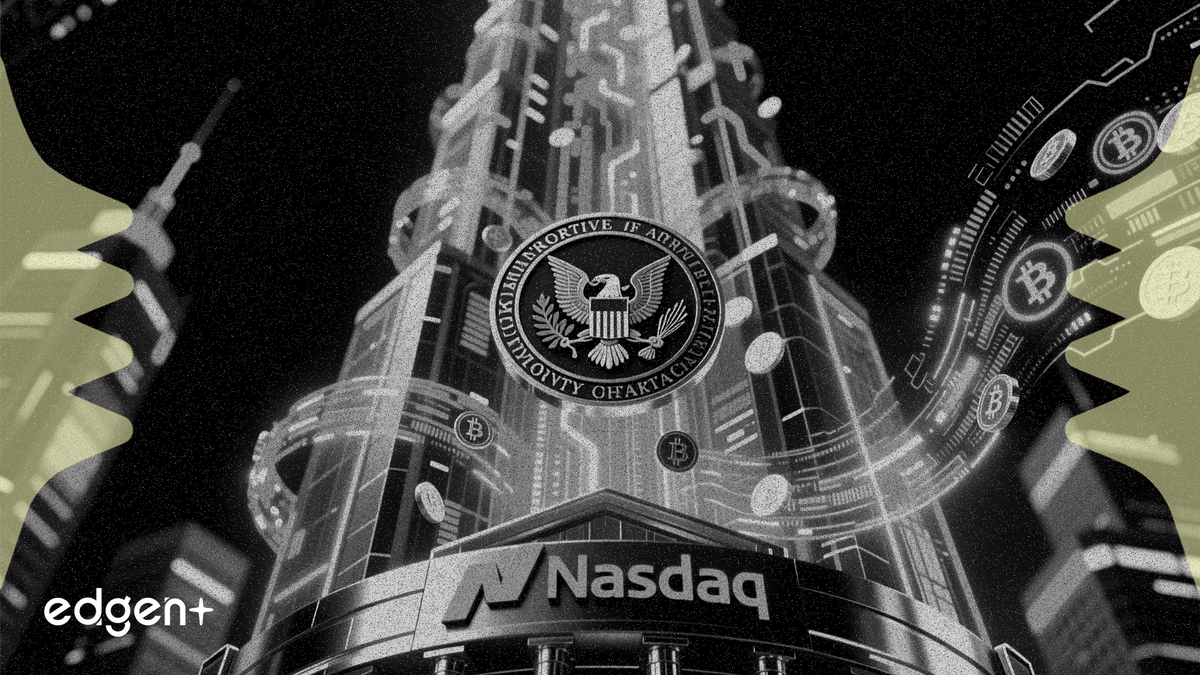
SEC Approves Tokenized Trading for Russell 1000 Stocks
The U.S. Securities and Exchange Commission (SEC) issued its approval on March 18, 2026, for a Nasdaq rule change that permits the trading of securities in tokenized form. This decision marks a pivotal step in integrating blockchain technology into mainstream U.S. equity markets. The approval follows a proposal Nasdaq filed in September 2025.
Under the new framework, the initial rollout is limited to a specific set of highly liquid assets. Eligible securities will include stocks within the Russell 1000 Index, as well as exchange-traded funds (ETFs) that track major benchmarks such as the S&P 500 and the Nasdaq 100. This controlled scope allows the exchange and regulators to test the system's integrity with established, high-volume instruments.
New Framework Retains T+1 Settlement via DTC Pilot
The approved structure ensures that tokenized securities operate almost identically to their traditional counterparts from an investor's perspective. Tokenized shares will trade on the same order book, use the same ticker and CUSIP identification number, and possess the same shareholder rights, including voting and dividends. The SEC noted the plan satisfies investor protection standards because existing surveillance, data reporting, and settlement timelines remain intact.
Post-trade processes will be managed through a pilot program run by the Depository Trust Company (DTC), which will handle the clearing and settlement of the tokenized trades. Market participants can opt for token-based settlement at the time of order entry. Critically, the settlement cycle will remain on the standard T+1 basis, aligning the new digital format with existing market conventions rather than introducing the instant settlement capabilities often associated with blockchain.
Exchanges Compete to Upgrade $126 Trillion Equity Market
Nasdaq's initiative is part of a broader competitive push by major exchange operators to capitalize on the efficiencies of asset tokenization, a trend gaining momentum across the $126 trillion global equity market. The exchange has already partnered with crypto exchange Kraken to facilitate the global distribution of tokenized stocks.
This regulatory approval puts pressure on competitors to accelerate their own blockchain strategies. Intercontinental Exchange (ICE), the parent company of the New York Stock Exchange (NYSE), is also developing a platform for tokenized securities and is currently seeking its own regulatory approvals. The moves by both Nasdaq and ICE signal a clear trajectory toward embedding blockchain infrastructure within the core of traditional finance.
 Edgen Crypto·Mar 19 2026, 04:03