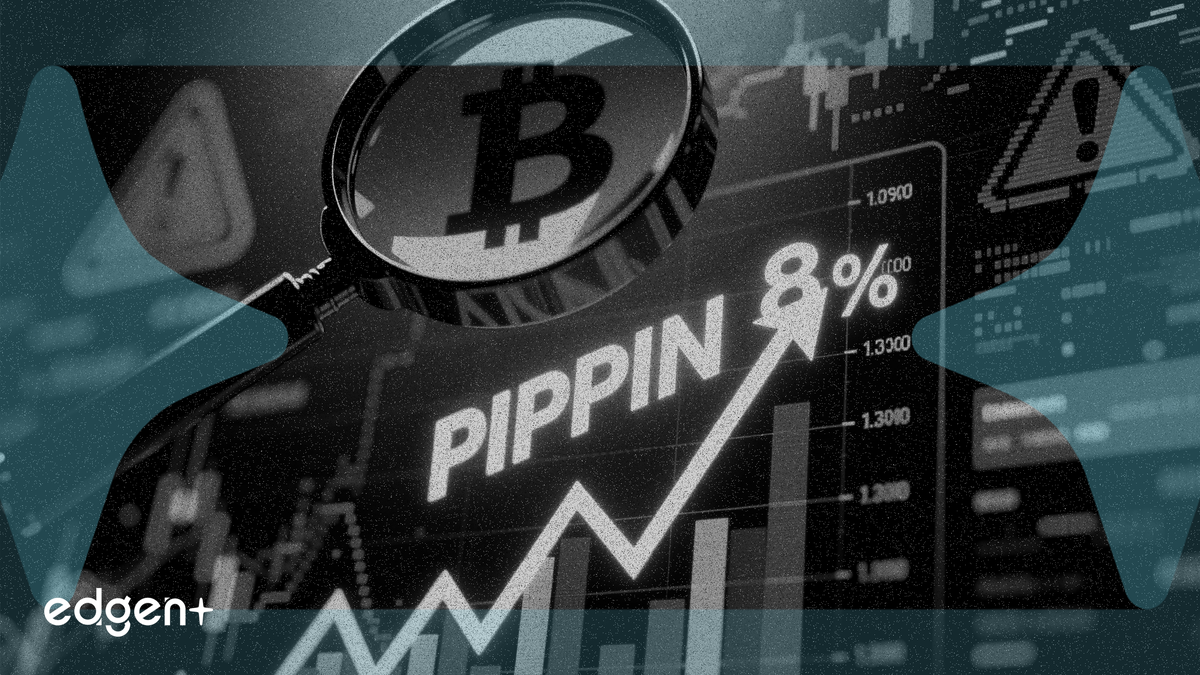
The Pippin (PIPPIN) token registered an 8% rebound on April 25, 2026, accompanied by a significant surge in trading volume, offering a glimmer of hope to holders. The recovery, however, occurs within a high-stakes environment where the token has been publicly flagged by on-chain investigators for suspicious market dynamics, raising questions about the sustainability of the rally.
Prominent on-chain analyst ZachXBT previously included PIPPIN in a list of tokens exhibiting “highly questionable price action,” a cohort that included assets like RAVE and MemeCore (M), which have since faced severe price collapses or intense public scrutiny. This context places PIPPIN’s rebound under a microscope, with traders watching for signs of genuine support versus manufactured volatility.
The concern is exemplified by the recent implosion of the RAVE token, which plummeted over 95% from $26 to below $1 within 24 hours earlier in April. ZachXBT’s analysis, which he posted on X, revealed that nine wallets controlled approximately 95% of RAVE’s total supply, and its $6 billion market capitalization was erased on just $52 million in liquidations. Similarly, MemeCore faced allegations of having over 90% of its supply controlled by insiders, drawing direct challenges from the analyst.
For investors, PIPPIN's 8% gain is juxtaposed with the risk of a similar fate to RAVE. The core issue is whether the rebound is driven by genuine demand or is a temporary fluctuation in a low-liquidity environment susceptible to manipulation. The token joins a cohort of assets including SIREN, MYX, COAI, and RIVER that are now closely watched by traders for signs of supply concentration and unusual exchange activity following ZachXBT's public warnings.
This article is for informational purposes only and does not constitute investment advice.