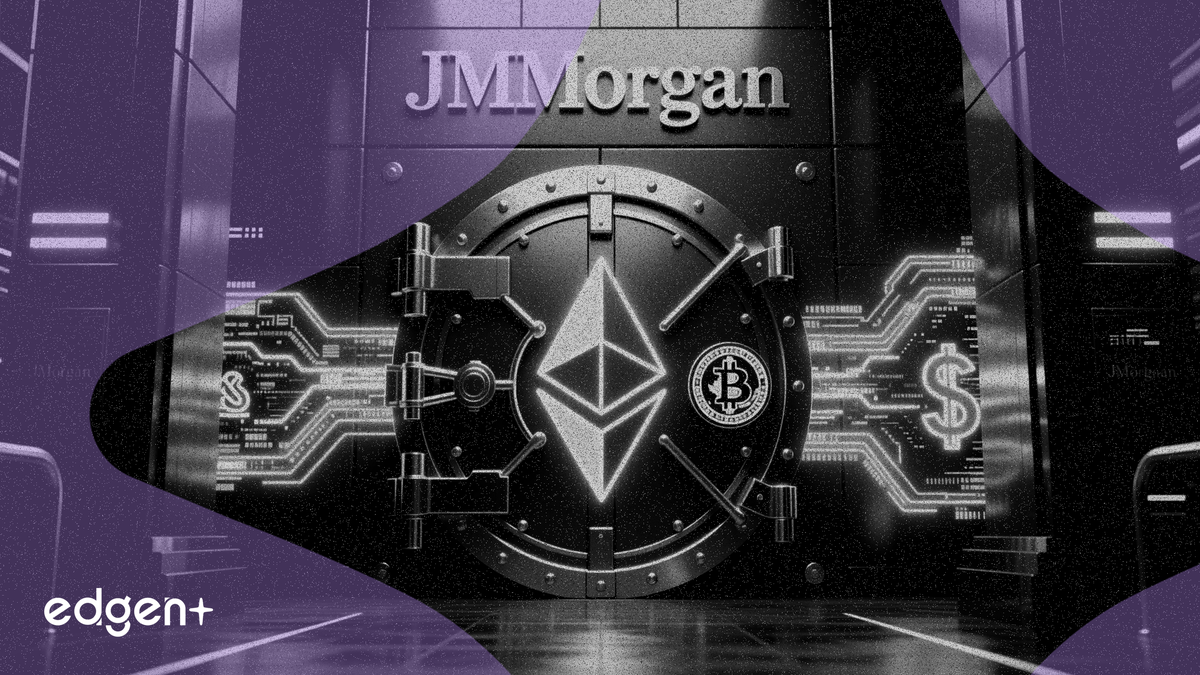
JPMorgan Leverages Onyx Blockchain to Accept BTC, ETH Collateral
In a significant move for the digital asset industry, JPMorgan Chase began accepting Bitcoin and Ethereum as collateral for institutional loans on March 21, 2026. The service is currently in its early stages and limited to select clients within the bank's trading division. This initiative allows institutions to pledge their crypto holdings to receive financing in traditional currencies, enabling them to access liquidity without having to sell their digital assets and lose market exposure.
The program represents a calculated expansion of JPMorgan's digital asset services, which for several months have included accepting certain crypto exchange-traded funds (ETFs) as collateral. By now accepting the underlying assets directly, the bank is deepening its integration. The process is underpinned by JPMorgan's proprietary Onyx blockchain, a platform designed for tokenizing and settling various financial assets. Onyx allows the bank to monitor the value of the crypto collateral throughout the loan's term, applying a model similar to traditional securities-based lending.
Institutional Demand Drives Cautious Integration
The decision to offer crypto-collateralized loans stems from persistent demand from institutional investors, including hedge funds and trading firms that hold substantial positions in Bitcoin and Ethereum. For these clients, the ability to borrow against their holdings provides critical capital flexibility for new trading strategies or operational needs. This service acknowledges the growing role of digital assets within institutional portfolios.
JPMorgan's move is part of a broader, albeit cautious, engagement with the digital asset ecosystem. After initially expressing skepticism, the bank has gradually built out its crypto infrastructure in response to client needs. This includes partnerships with companies like Circle to integrate the USDC stablecoin into its services. By launching this collateral program, JPMorgan is establishing a framework that other major financial institutions may replicate, potentially unlocking significant new liquidity across the crypto market.
 Edgen Crypto·Mar 21 2026, 22:10