En bref- Une vision pour un monde plus sain : UnitedHealth Group n'est pas seulement un assureur ; c'est l'architecte principal d'un système de santé plus intelligent et plus efficace. Grâce à son intégration visionnaire de la large couverture d'avantages sociaux de UnitedHealthcare et de la prestation de soins avancés et de l'analyse de données d'Optum, l'entreprise crée une expérience de santé connectée qui améliore les résultats et établit une nouvelle norme pour l'industrie.
- Force financière & Rendements actionnaires inégalés : La stratégie de l'entreprise est soutenue par un bilan solide et une échelle financière immense, avec des revenus annuels approchant le demi-billion de dollars. Cette puissance financière alimente un engagement profond envers les rendements actionnaires, démontré par 15 années consécutives de croissance des dividendes et un programme de rachat d'actions robuste.
- Une opportunité de valeur générationnelle : Les dynamiques récentes du marché ont créé un point d'entrée attractif dans un leader incontesté de l'industrie. Avec une équipe de direction rafraîchie et profondément expérimentée prenant des mesures décisives et des investisseurs de valeur éminents reconnaissant le potentiel à long terme, UnitedHealth Group est prêt à entrer dans son prochain chapitre de croissance accélérée et de création de valeur.
Partie I : Analyse fondamentale de l'entreprise
Présentation de l'entreprise & des segments
UnitedHealth Group Incorporated (UNH) se présente comme une puissance hautement diversifiée dans le domaine de la santé et du bien-être, bâtie sur une mission fondamentale : « aider les gens à vivre des vies plus saines et contribuer à ce que le système de santé fonctionne mieux pour tous. » Cette vision est concrétisée par un modèle commercial à double plateforme, unique et puissant, qui combine stratégiquement la vaste portée de ses opérations d'assurance UnitedHealthcare avec les capacités innovantes de ses entreprises de services de santé Optum. Cette structure synergique crée un cercle vertueux de valeur, permettant à l'entreprise de mener l'évolution de l'industrie vers des soins basés sur la valeur plus efficaces et efficients.
Les opérations de l'entreprise sont organisées en quatre segments dynamiques à forte croissance :
- UnitedHealthcare : Pierre angulaire de l'entreprise, ce segment fournit une gamme complète de plans et de services d'avantages sociaux en matière de santé à des millions d'Américains via des programmes employeurs, individuels, Medicare et Medicaid. En 2024, UnitedHealthcare a généré des revenus de 298,2 milliards de dollars, soit une augmentation de 6 % d'une année sur l'autre.
- Optum Health : Ce segment est à l'avant-garde des soins de santé modernes, offrant des soins centrés sur le patient directement via un vaste réseau de cliniques et de prestataires. Il étend rapidement son modèle de soins basé sur la valeur, servant 4,7 millions de patients en 2024, avec des plans de croissance à 5,4 millions d'ici la fin de 2025.
- Optum Insight : Servant de hub technologique et d'analyse de données, ce segment fournit des logiciels et des services de pointe qui simplifient les processus administratifs et cliniques pour l'ensemble du système de santé. Son arriéré de revenus croissant indique une forte demande future pour ses solutions innovantes.
- Optum Rx : En tant que gestionnaire de prestations pharmaceutiques (PBM) à service complet, ce segment assure un accès abordable aux médicaments pour des millions de personnes. En 2024, les revenus d'Optum Rx ont augmenté de manière remarquable de 15 % et ont traité 1,62 milliard de scripts ajustés, démontrant son incroyable envergure et son efficacité.
Sous la direction du président et PDG expérimenté M. Stephen Hemsley, dont la longue carrière et l'expertise stratégique approfondie ont joué un rôle déterminant dans la construction de la plateforme Optum, l'entreprise est dirigée par une équipe de direction de classe mondiale et un conseil d'administration distingué. Ce groupe de direction possède une riche expérience des plus hauts échelons de la santé, de la finance et de la technologie, offrant une base exceptionnelle pour une gouvernance stratégique et un succès à long terme. Reflétant sa solidité financière, UnitedHealth Group maintient une politique de dividende constante et de longue date, soulignant son engagement indéfectible à offrir des rendements aux actionnaires.
Paysage concurrentiel & Avantage économique durable
UnitedHealth Group opère depuis une position de force profonde, détenant une position de leader incontestée dans le paysage des soins de santé américains. Le principal facteur de différenciation de l'entreprise est son segment Optum intégré verticalement, un modèle de succès que les concurrents cherchent activement à émuler. Cette intégration permet à UNH de gérer les coûts et d'améliorer les résultats avec une efficacité difficile à reproduire.
La position dominante de l'entreprise sur le marché est claire. Sur le marché à forte croissance de Medicare Advantage, UNH a commandé une part de marché nationale dominante, la plaçant significativement en avance sur ses concurrents les plus proches. Ce leadership offre d'immenses avantages d'échelle et solidifie son rôle de baromètre de l'industrie.
L'industrie américaine des soins de santé est façonnée par des tendances puissantes et transformatrices, chacune représentant une opportunité significative pour UnitedHealth Group :
- Le passage aux soins basés sur la valeur (VBC) : Alors que l'industrie s'éloigne des modèles traditionnels, les capacités de prestation de soins intégrées d'UNH via Optum Health la positionnent parfaitement pour diriger cette transition et en tirer les bénéfices.
- Transformation technologique et intégration de l'IA : UNH est un pionnier dans l'exploitation de l'IA et des technologies avancées. Avec un investissement annuel massif en R&D, l'entreprise utilise l'analyse prédictive et l'automatisation pour améliorer l'efficacité et concevoir des plans de soins personnalisés, donnant le rythme de l'innovation.
- Vents favorables démographiques : Une population américaine vieillissante entraîne une augmentation de la demande de services de santé, en particulier dans le segment Medicare où UNH est le leader incontesté du marché.
Analyse sectorielle & Marché total adressable (TAM)
Le marché total adressable (TAM) de UnitedHealth Group est lié aux dépenses nationales de santé (NHE) des États-Unis – un marché vaste et en croissance constante qui offre un puissant vent arrière séculaire pour la croissance. Le marché devrait connaître une expansion incroyable, avec des projections anticipant que le NHE augmentera de manière stupéfiante de 70 % pour atteindre 7 700 milliards de dollars d'ici 2032.
Cette croissance immense est étayée par des facteurs profondément ancrés et durables, notamment les tendances démographiques d'une population vieillissante, les avancées technologiques et pharmaceutiques, et l'expansion continue des programmes de santé financés par le gouvernement. La stratégie commerciale d'UNH est parfaitement alignée pour capter cette croissance. Son leadership dans Medicare Advantage répond directement aux besoins d'une Amérique vieillissante, tandis que ses segments Optum sont positionnés à l'avant-garde des domaines à plus forte croissance en technologie de la santé, en analyse de données et en pharmacie spécialisée.
Un aperçu de la domination financière
Les résultats financiers d'UnitedHealth Group mettent en évidence l'échelle incroyable et la résilience de son modèle commercial. La croissance de son chiffre d'affaires reste robuste, reflétant son leadership sur le marché et la nature essentielle de ses services.
Segment | Revenus T2 2025 | Croissance annuelle |
UnitedHealthcare | 86,1 milliards de dollars | ▲ 17% |
Optum Rx | 38,5 milliards de dollars | ▲ 19% |
Optum Insight | 4,8 milliards de dollars | ▲ 6% |
Total consolidé | 111,6 milliards de dollars | ▲ 12,9% |
Cette puissante expansion des revenus a été alimentée par une forte croissance du nombre d'adhérents et le succès continu de l'activité de services pharmaceutiques Optum Rx. Les prévisions de revenus pour l'ensemble de l'année 2025 de l'entreprise, allant jusqu'à 448,0 milliards de dollars, représentent une croissance saine et soutenue, soulignant sa capacité à continuer d'étendre son leadership sur le marché.
Bilan solide & Efficacité supérieure
Malgré un environnement d'exploitation dynamique, le bilan de UnitedHealth Group reste une forteresse de solidité, fournissant une base cruciale pour ses initiatives stratégiques.
- Total des actifs : 308,6 milliards de dollars
- Liquidités & Placements à court terme : Un montant substantiel de 32,0 milliards de dollars
- Dette sur le capital total : Un niveau gérable et stable
Cette profonde stabilité financière et liquidité sont des atouts essentiels, permettant à l'entreprise de naviguer avec confiance dans les cycles de marché et d'investir dans la croissance future. La longue histoire d'excellence opérationnelle de l'entreprise se traduit par de solides rendements sur le capital investi, indiquant une utilisation très efficace et efficiente de sa base d'actifs pour générer de la valeur actionnariale.
Un chef-d'œuvre en matière d'allocation de capital
La stratégie d'allocation de capital de UnitedHealth Group est agressive, disciplinée et fortement axée sur l'approfondissement de son avantage concurrentiel tout en offrant des rendements substantiels aux actionnaires. Le bilan stellaire de la direction révèle un engagement clair envers des fusions et acquisitions stratégiques à grande échelle pour construire un écosystème de soins de santé de bout en bout.
Parallèlement à ces fusions et acquisitions stratégiques, UNH a mis en œuvre un programme puissant de retour aux actionnaires.
- Rachats d'actions : L'entreprise a systématiquement augmenté ses rachats, déployant 9 milliards de dollars en 2024.
- Dividende en croissance : Le dividende a connu 15 années consécutives de croissance, reflétant une confiance inébranlable dans la capacité de l'entreprise à générer des flux de trésorerie à long terme.
Cette approche équilibrée de réinvestissement pour la croissance stratégique tout en restituant un capital significatif aux actionnaires indique un cadre mature et discipliné conçu pour créer une valeur supérieure à long terme.
Partie III : Avantage concurrentiel durable & Leadership sur le marché
Échelle et intégration inégalées
UnitedHealth Group possède un avantage concurrentiel large et durable, ancré par l'échelle et l'intégration verticale inégalées de ses segments UnitedHealthcare et Optum. Cette structure crée de puissants effets de réseau, d'importantes économies d'échelle et un avantage de données formidable que les concurrents peinent à reproduire. En combinant les produits d'assurance avec les services de santé, UNH capte de la valeur à plusieurs points du parcours de soins, permettant un contrôle des coûts et une coordination des soins supérieurs.
La taille même de l'entreprise lui permet de répartir ses coûts fixes substantiels, y compris plus de 5 milliards de dollars de dépenses annuelles en technologie et en R&D, sur une base de membres massive. Cet avantage d'échelle se traduit par un niveau d'efficacité que les petits concurrents ont du mal à atteindre et consolide sa position de leader incontesté de l'industrie.
La puissance des données et de la technologie
Les atouts stratégiques de UnitedHealth Group sont définis par une infrastructure technologique et de données supérieure, profondément intégrée à toutes ses opérations. L'investissement massif de l'entreprise dans la technologie a donné lieu à un portefeuille de plus de 1 000 applications actives d'IA et d'apprentissage automatique, une échelle de déploiement qui la distingue nettement de ses concurrents. Ces technologies automatisent les processus clés et sont légalement protégées par un solide portefeuille de 572 brevets mondiaux.
Le fondement de cette force technologique est son actif de données inégalé. Grâce à ses vastes opérations, UNH a accès à un volant de données propriétaire qu'il est exceptionnellement difficile pour tout concurrent de reproduire. Ce cycle auto-renforçant offre un avantage de données durable, basé sur l'échelle, qui alimente l'innovation et consolide son leadership sur le marché.
Partie IV : Dynamique du marché & Confiance des investisseurs
Un changement décisif de dynamique
L'action de UnitedHealth Group affiche un changement de dynamique puissant et décisif. Après une période de consolidation qui a créé une proposition de valeur attrayante, l'action a connu un retournement à court terme explosif, surperformant significativement ses pairs du secteur. Cette puissante poussée suggère un changement positif significatif dans le sentiment du marché, catalysé par des investisseurs tournés vers l'avenir qui reconnaissent l'immense valeur à long terme intégrée à ce leader de l'industrie. La posture technique est devenue sans équivoque haussière, signalant que le chemin de moindre résistance s'est orienté à la hausse.
Le retour de la confiance des investisseurs
La confiance des investisseurs dans UnitedHealth Group est clairement de retour, portée par des signaux convaincants émanant des investisseurs les plus sophistiqués du monde.
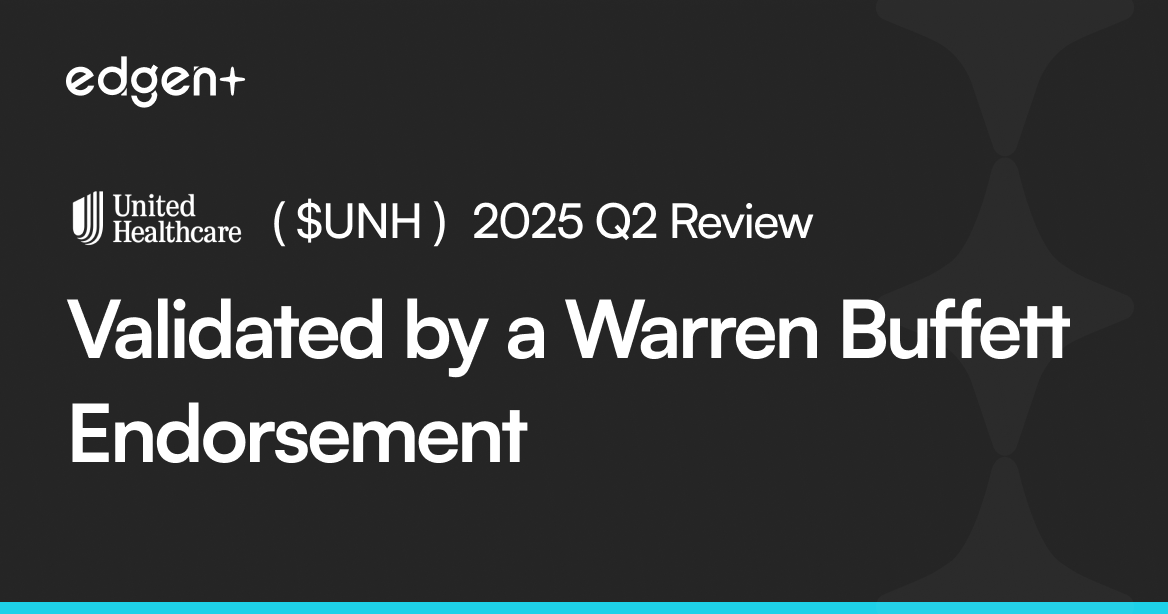
- Soutien institutionnel : La divulgation récente selon laquelle Berkshire Hathaway de Warren Buffett a acquis une nouvelle participation constitue un puissant vote de confiance, signalant au marché plus large que l'action représente une opportunité de valeur unique.
- Conviction des initiés : Les principaux dirigeants, y compris le PDG et le directeur financier, ont démontré une forte conviction en réalisant d'importants achats d'actions de la société sur le marché libre, alignant ainsi leurs intérêts directement sur ceux des actionnaires.
- Base de propriété stable : L'entreprise bénéficie d'une base d'actionnaires stable et solidaire, les institutions détenant environ 90 % de ses actions, y compris une forte concentration dans les principaux ETF et fonds indiciels.
Une perspective d'analyste tournée vers l'avenir : Bien que la communauté des analystes reconnaisse l'environnement dynamique de l'industrie, une forte confiance persiste quant aux perspectives à long terme de UnitedHealth Group. Les objectifs de prix élevés des analystes suggèrent le potentiel d'un redressement substantiel et d'une création de valeur à long terme. Des firmes influentes maintiennent des notations positives, fondées sur une reprise du secteur des soins gérés et le potentiel de croissance significatif des bénéfices à long terme de UNH. Le discours est clairement en train de changer à mesure que les investisseurs et les analystes regardent au-delà du cycle actuel et se concentrent sur les forces durables et l'avenir prometteur de l'entreprise.
Partie V : Perspectives d'avenir & Valorisation
Catalyseurs pour le prochain chapitre de croissance
UnitedHealth Group est prêt pour son prochain chapitre de croissance, propulsé par de puissants catalyseurs internes et externes. Le positionnement stratégique et les actions décisives de l'entreprise ont créé une voie claire vers un élan renouvelé et la création de valeur.
- Repricing stratégique et expansion des marges : L'entreprise réévalue de manière proactive son portefeuille Medicare Advantage pour 2026. Cette initiative stratégique est conçue pour s'aligner pleinement sur l'environnement des coûts actuel et d'ingénierie un redressement significatif des marges, préparant le terrain pour une rentabilité renouvelée.
- Leadership décisif et refonte opérationnelle : Le retour du PDG vétéran Stephen Hemsley, combiné à une équipe de direction expérimentée, signale une nouvelle focalisation sur la discipline opérationnelle et l'exécution. Cette direction s'engage à naviguer sur le marché dynamique et à atteindre les objectifs à long terme de l'entreprise.
- Innovation grâce à l'IA et l'automatisation : L'investissement continu de l'entreprise dans l'IA et l'automatisation devrait générer près de 1 milliard de dollars d'économies en 2026, offrant un puissant vent arrière pour compenser les pressions sur les coûts et améliorer le levier d'exploitation.
Une proposition de valeur unique
La valorisation actuelle de UnitedHealth Group présente une situation spéciale classique et une opportunité de valeur unique pour les investisseurs à long terme. La valorisation de l'action reflète un marché qui s'est concentré sur les dynamiques à court terme, créant un point d'entrée attrayant dans un leader de l'industrie doté d'un large avantage concurrentiel et d'une base solide pour la croissance future.
- Scénario haussier : Dans ce scénario, UNH réalise un redressement opérationnel impeccable, amplifié par un contexte réglementaire et économique favorable. La confiance des investisseurs est entièrement restaurée, et l'action retrouve sa valorisation premium historique à mesure que le marché intègre une reprise complète des bénéfices, débloquant un potentiel de hausse substantiel.
- Scénario de base : Même dans un redressement plus progressif, les efforts de redressement internes de l'entreprise, combinés à un environnement macroéconomique favorable, offrent un puissant vent arrière. L'action progresse à mesure que le marché reconnaît la dissipation des craintes du pire, récompensant les investisseurs à mesure que l'entreprise avance sur la voie d'une croissance restaurée.
Thèse d'investissement finale
UnitedHealth Group représente une opportunité d'investissement de premier ordre pour acquérir un leader incontesté de l'industrie à une valorisation attrayante. L'avantage concurrentiel large et durable de l'entreprise, bâti sur l'échelle et l'intégration verticale inégalées de ses segments d'activité, offre une base solide pour la création de valeur à long terme. Avec une équipe de direction rafraîchie et profondément expérimentée prenant des mesures décisives pour naviguer dans l'environnement actuel et un ensemble clair de catalyseurs prêts à stimuler une reprise de la rentabilité, UnitedHealth Group est positionné de manière unique pour son prochain chapitre de croissance. La dynamique actuelle du marché offre une rare occasion d'investir aux côtés des investisseurs de valeur les plus respectés du monde dans une entreprise de haute qualité sur une voie claire vers une création de valeur durable à long terme.