
VLCC earnings on Middle East routes surged to nearly $510,000 a day as Strait of Hormuz disruptions tighten tanker supply.
VLCC earnings on Middle East routes surged to nearly $510,000 a day as Strait of Hormuz disruptions tighten tanker supply.
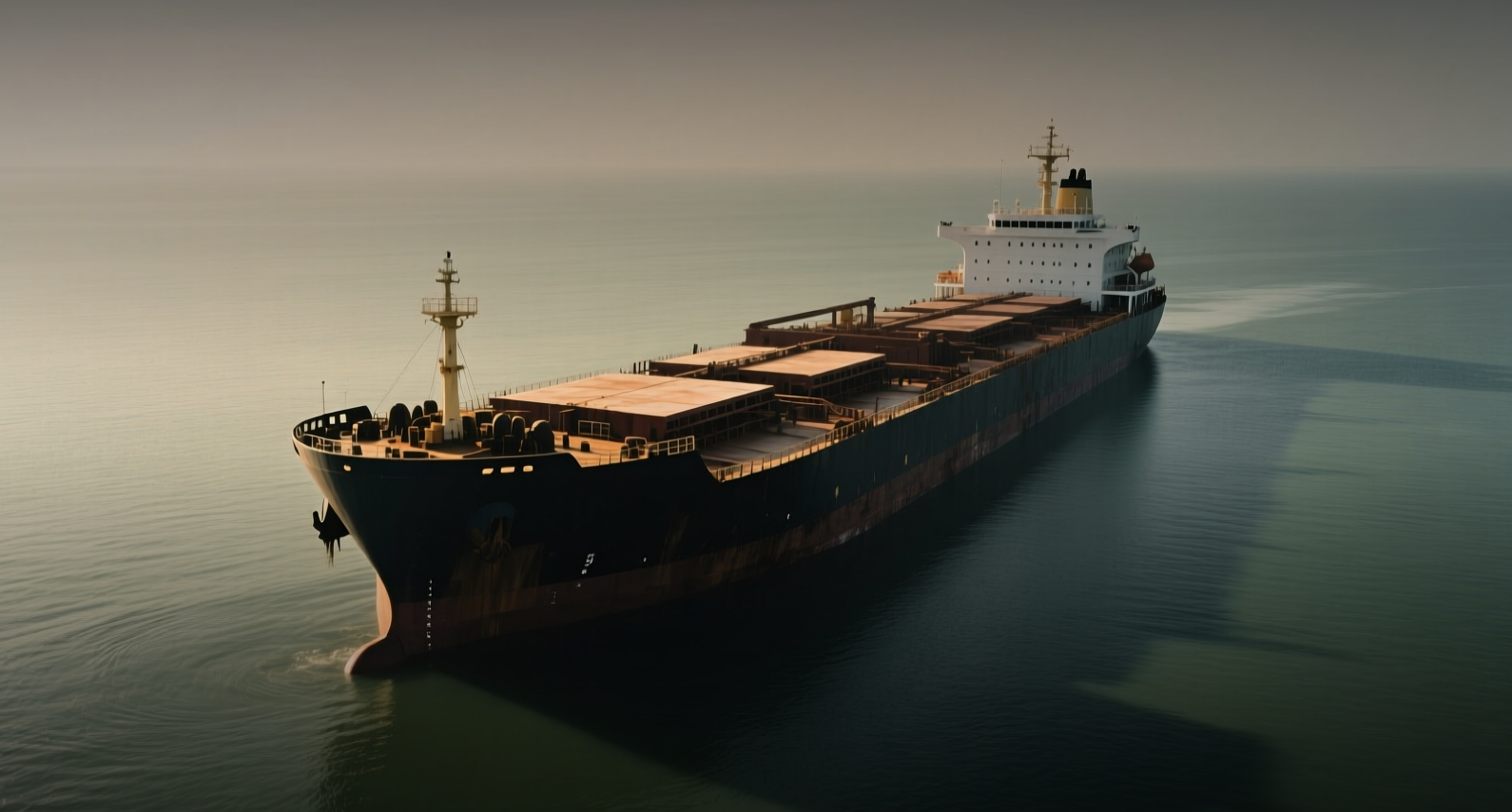
VLCC daily earnings on Middle East-to-Asia routes climbed to approximately $510,000 Monday, the highest since late June, as Persian Gulf exporters scramble for vessels to move crude while Strait of Hormuz security risks persist.
"The U.S.-Israeli attack on Iran dramatically increases the security risk to ships operating in the Persian Gulf and adjacent waters," said Jakob Larsen, chief safety and security officer at shipping association BIMCO.
The Baltic Exchange's assessed earnings for the benchmark Middle East-to-Asia route jumped to near $510,000 per day. The VLCC Mongolia Prosperity secured a single-voyage contract of $31 million to load crude from an unnamed Persian Gulf port for delivery to East Asia, according to chartering reports and shipbroker information. More than 200 vessels, including oil and liquefied gas tankers, have dropped anchor around the Strait of Hormuz and surrounding waters, shipping data showed. At least three tankers were damaged off the Gulf coast after U.S. and Israeli strikes on Iran triggered retaliation that put merchant ships at risk of collateral damage.
The freight surge raises delivered crude costs for Asian refiners at a time when Brent crude trades at $91.03 a barrel, up 2.84 percent, and WTI at $84.92, up 0.50 percent. War risk insurance underwriters are expected to raise rates by 25 to 50 percent for Gulf voyages, according to Dylan Mortimer at insurance broker Marsh, adding another layer of cost to every barrel moving through the region.
The escalation began in March when U.S. and Israeli strikes on Iran triggered Iranian retaliation, with Tehran declaring navigation through the Strait of Hormuz closed. The waterway carries roughly 20 million barrels of crude and refined products daily — about a fifth of global oil consumption. The last time VLCC earnings approached these levels was in late June, when the initial shock of the conflict had already begun to reshape shipping economics.
Iran has loaded naval mines on vessels in the Persian Gulf, heightening concern in Washington that Tehran is preparing to establish a blockade, two U.S. officials told Reuters in July. The U.S. Maritime Administration has advised U.S.-flagged, owned or crewed commercial vessels to maintain a standoff of 30 nautical miles from U.S. military vessels to reduce the risk of being mistaken as a threat.
The combination of elevated crude prices and soaring freight rates creates a double hit for Asian importers, who rely on the Strait of Hormuz for the majority of their crude supply. Japan, South Korea, and India together import more than 10 million barrels per day from the Gulf region. The $31 million single-voyage rate for the Mongolia Prosperity translates to roughly $4.50 per barrel in shipping costs alone on a standard 2-million-barrel VLCC cargo — compared with typical rates of $1 to $2 per barrel in normal conditions.
The U.S. diesel crack spread has surpassed $100 a barrel for the first time on supply disruptions, according to energy data. The U.S. Strategic Petroleum Reserve has fallen by 5.3 million barrels to its lowest level since 1982, limiting Washington's ability to cushion price spikes through emergency releases.
The forward path depends on whether Iran follows through on its threat to close the Strait of Hormuz entirely. If the waterway remains open but risky, freight rates are likely to stay elevated as shipowners demand war risk premiums and reroute vessels. If Iran escalates to a full blockade, VLCC rates could move even higher as the global fleet repositions away from the Gulf.
The last time the region faced a comparable shipping crisis was in 2019, when attacks on tankers off Fujairah and the Strait of Hormuz pushed war risk premiums to multi-year highs. That episode lasted roughly six months before rates normalized. The current conflict has already persisted longer and involves direct strikes on Iranian territory, suggesting the freight premium may be more durable this time.
For tanker owners, the crisis is a windfall. VLCC operators stand to benefit from the rate surge, with daily earnings at levels that translate to annualized returns far above historical averages. For Asian refiners and consumers, the added freight costs compound already elevated crude prices, raising the risk of sustained fuel inflation across the region.
This article is for informational purposes only and does not constitute investment advice.
