

Chinese AI labs are renting time on Nvidia's most advanced chips through Southeast Asian data centers, sidestepping a U.S. export ban that governs physical hardware but not remote access.
Chinese AI labs are renting time on Nvidia's most advanced chips through Southeast Asian data centers, sidestepping a U.S. export ban that governs physical hardware but not remote access.
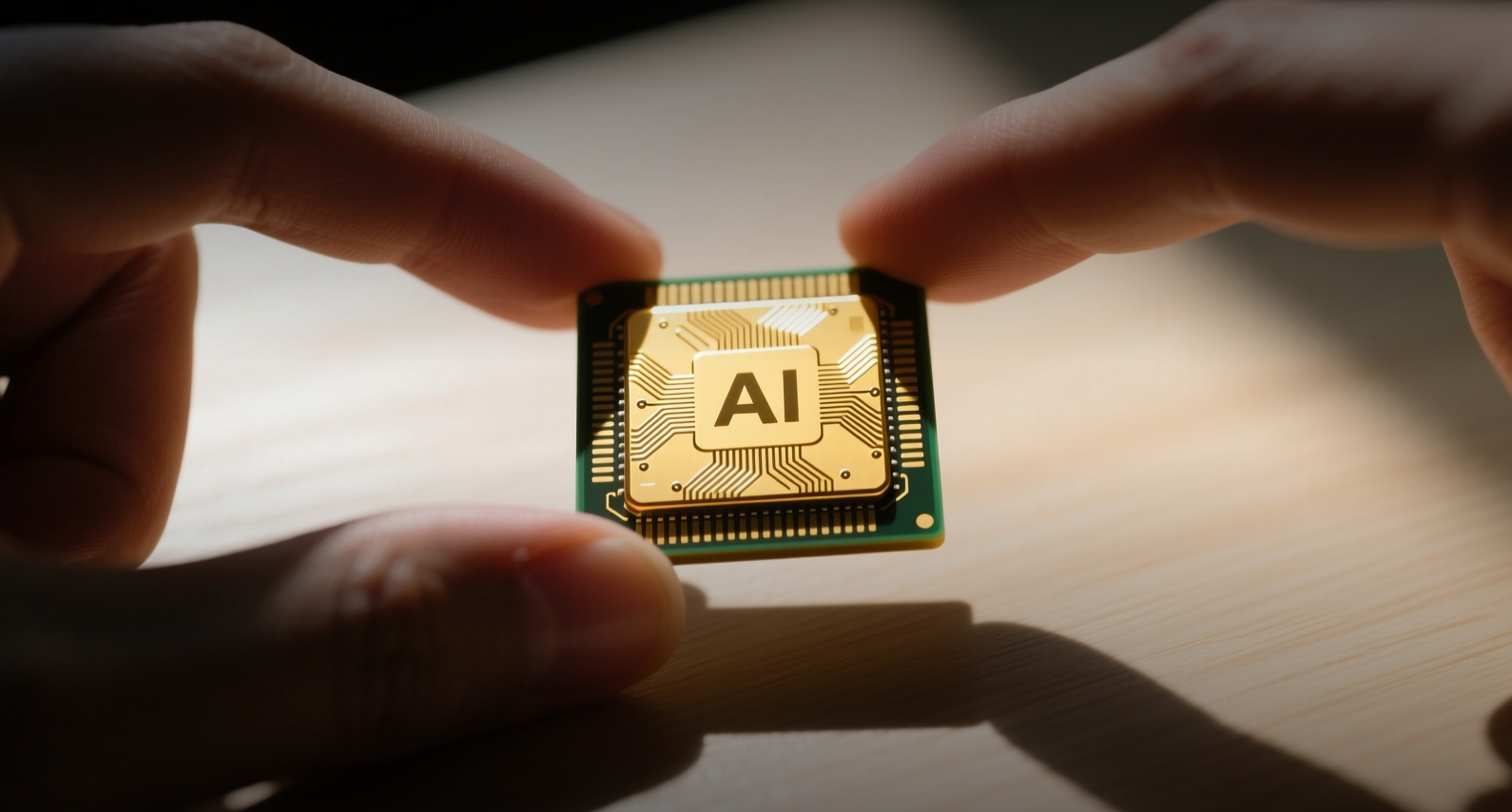
U.S. export controls that bar Nvidia's most advanced chips from China are being bypassed by Chinese AI firms renting compute through Southeast Asian data centers, a loophole lawmakers are now moving to close.
"So long as Moonshot isn't actually buying and owning the physical hardware directly," the arrangement is legal, Cassia King, senior researcher on the Compute Policy team at the Institute for AI Policy and Strategy, said, because the U.S. export-control regime "controls physical AI chips. It does not cover remote access to those chips."
Moonshot AI's Kimi K3 model, released in July, was flagged by White House official Michael Kratsios for using Nvidia's GB300 chips through a facility in Thailand. Chinese hyperscalers ByteDance, Alibaba and Tencent have reportedly tapped compute remotely via Thailand, Malaysia and Japan, with ByteDance working through Singapore-based cloud provider Aolani in Malaysia. The Remote Access Security Act, which would extend export controls to cloud-based access, passed the House in January but awaits Senate action.
The loophole threatens to erode the value of Washington's chip containment strategy. JLL estimates global data center capacity could roughly double to 200 gigawatts by 2030, and DC Byte counts 31 planned 100-megawatt-plus data centers across Malaysia, Indonesia and Thailand, compared with two today — a buildout giving Chinese AI labs a growing pool of advanced compute to rent.
Nvidia's most advanced AI chips sit under export restrictions to China, though less capable semiconductors such as the H20, A800 and H800 — designed to comply with U.S. performance limits — can still be shipped there. The controls focus on ownership of physical hardware, not on who logs in remotely, leaving cloud access outside their reach.
Chinese AI startups have used intermediaries and foreign shell companies to buy cloud credits from providers in Singapore, the Middle East and other regions where H100 and A100 GPUs remain freely available, according to industry reports. Major hyperscalers including Amazon Web Services, Microsoft Azure and Google Cloud operate data centers across Asia stocked with the exact chips Washington is trying to keep out of Chinese hands, though their compliance programs face a verification challenge tracking end users across thousands of corporate customers.
Aolani told CNBC it works "with a global and diversified customer base spanning customers from North America and Asia," adding that "the companies we service do not have ownership, potential future claim or physical access to the chips that power our solutions." The spokesperson said any permitted access "is fully compliant with all applicable regulations."
The proposed legislation, which passed the House in January but has yet to clear the Senate, would give the U.S. government authority to regulate remote cloud-based access to controlled hardware and software. Michelle Nie, a visiting fellow in technology and national security at the Center for a New American Security, called the loophole "threatening U.S. national security," noting that "the point of chip export controls is to deny China the ability to train frontier AI using advanced U.S. chips."
Nie said the bill faces potential industry pushback because "cloud providers would bear the compliance burden of any KYC and customer verification requirements mandated by the bill." Even if RASA passes, she added, it would only grant authority — the Bureau of Industry and Security would still need to craft a rule covering remote access, which King said could be pushed through in "a matter of days" with White House support. "The challenge will be in making a rule that's effective and enforceable," King said.
For Nvidia, the situation is paradoxical: the company is barred from selling its best chips to Chinese customers, yet those same chips power Chinese AI development through third-party cloud providers. Nvidia sells the hardware to hyperscalers in unrestricted regions, collects the revenue, and stays technically compliant even as the outcome undercuts the policy's intent. Tighter rules could reduce that indirect exposure, while Chinese chipmakers such as Huawei accelerate domestic alternatives that still lag Nvidia's latest offerings by several generations. The Asia-Pacific data center buildout — roughly $800 billion in investment expected by 2030, with a record $11.6 billion in 2025 — means the stakes for cloud providers and chip vendors alike are only rising.
This article is for informational purposes only and does not constitute investment advice.
