
Unitree's Shanghai debut is the first time a humanoid-robot maker has traded on mainland China, and the 8,000-times oversubscribed listing is testing whether Beijing's robotics bet can translate into public-market value.
Unitree's Shanghai debut is the first time a humanoid-robot maker has traded on mainland China, and the 8,000-times oversubscribed listing is testing whether Beijing's robotics bet can translate into public-market value.
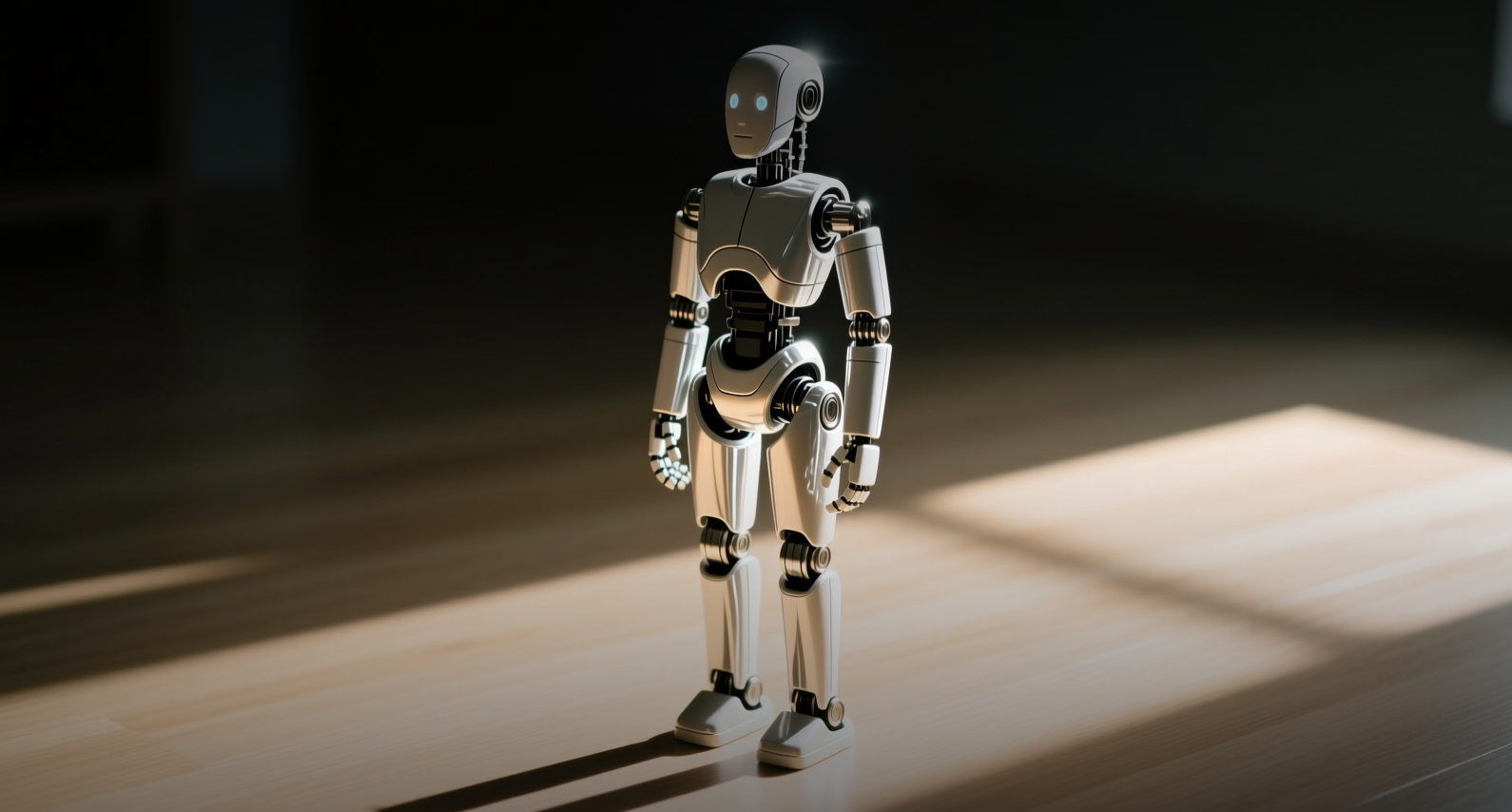
Unitree's Shanghai debut is the first time a humanoid-robot maker has traded on mainland China, and the 8,000-times oversubscribed listing is testing whether Beijing's robotics bet can translate into public-market value.
Unitree Robotics priced its Shanghai STAR Market IPO at 150.80 yuan a share, raising $905 million in a listing oversubscribed more than 8,000 times — a record for the exchange — and valuing China's top humanoid-robot maker at roughly $9 billion.
"Unitree IPO is regarded as a key milestone for the humanoid industry and can serve as a benchmark for other IPOs in the pipeline," said Ethan Qi, associate director at Counterpoint Research.
The Hangzhou-based company, formally known as Yushu Technology, sold 40.4 million shares and begins trading Wednesday under ticker 688836. Revenue jumped more than tenfold to 1.7 billion yuan ($252 million) in 2025 from 159 million yuan in 2023, with net profit of 278 million yuan ($41 million) — one of the few profitable players in a sector dominated by pre-revenue startups. The IPO priced at roughly 219 times 2025 earnings and about 36 times sales.
The listing is the first test of whether mainland investors will fund China's humanoid-robot ambitions at scale. Proceeds will fund embodied AI research, robot hardware development, and a manufacturing base designed for annual capacity of 75,000 humanoids and 115,000 quadrupeds — a bet that Unitree can convert viral robot videos into industrial volume.
Unitree shot to national prominence last year after its robots performed choreographed dances at China's Lunar New Year gala. Founder Wang Xingxing sat in the front row at President Xi Jinping's symposium with top tech businesses last year, and the company has become the poster child of Beijing's push to dominate humanoid robotics — a sector the government has described as "the new high ground of technological competition."
The company's financial trajectory is unusual for the sector. It delivered more than 5,500 humanoid robots in 2025, making it the world's largest seller of androids, and quadruped robot dogs accounted for about 42 percent of revenue. Wang has set a target of 10,000 to 20,000 humanoid shipments in 2026, according to an interview reported by 36Kr.
The valuation question
At 219 times earnings, the IPO prices Unitree as if it has already won the humanoid race. But the company's own prospectus shows industrial deployments accounted for less than 10 percent of sales in the first three quarters of 2025, with research and educational institutions driving most demand. First-half 2026 growth has also decelerated sharply from the 335 percent pace of 2025, according to industry data.
"Unitree has demonstrated strong technology and commercial traction, but moving from demonstrations and early deployments to widespread industrial adoption will take time," said Kangyuxiao Li, equity analyst at Morningstar.
The company faces a structural constraint in its largest overseas market. The US added Unitree to its military-linked blacklist in June, and the Federal Communications Commission's July 28 Covered List designation bars new Chinese-made advanced robots from US market authorization. Unitree said overseas revenue accounted for more than 40 percent of total revenue in each disclosed reporting period, with US sales ranging from 13.30 percent to 19.54 percent across those periods.
A pipeline of robot IPOs
Unitree's debut could unlock a wave of listings across China's robotics sector. Fifty-one robotics-related companies are in the Hong Kong IPO pipeline, accounting for roughly 12.7 percent of all companies awaiting listing on the exchange, according to PwC Hong Kong data. AgiBot has engaged CICC, CITIC Securities, and Morgan Stanley for a Hong Kong offering targeting HK$40 billion to HK$50 billion ($5.1 billion to $6.4 billion), while EngineAI and X Square Robot have filed confidentially.
Investment in China's embodied intelligence sector reached 93.5 billion yuan ($13.9 billion) in the first half of 2026 — a fivefold increase from the prior year, according to industry data. Unitree's strategic investors include Meituan, Tencent, Alibaba, and DeepSeek, and the company announced a research partnership with Nvidia in June.
The last time a Chinese hardware company with this level of retail enthusiasm listed on the STAR Market, the first-day pop was substantial. But Unitree's challenge is different: it must prove that humanoid robots can move from demonstration halls to factory floors at scale, while navigating US restrictions that close off its second-largest market. The first trade will show how much heat is in the stock; the next few years will show whether the valuation can hold.
This article is for informational purposes only and does not constitute investment advice.
