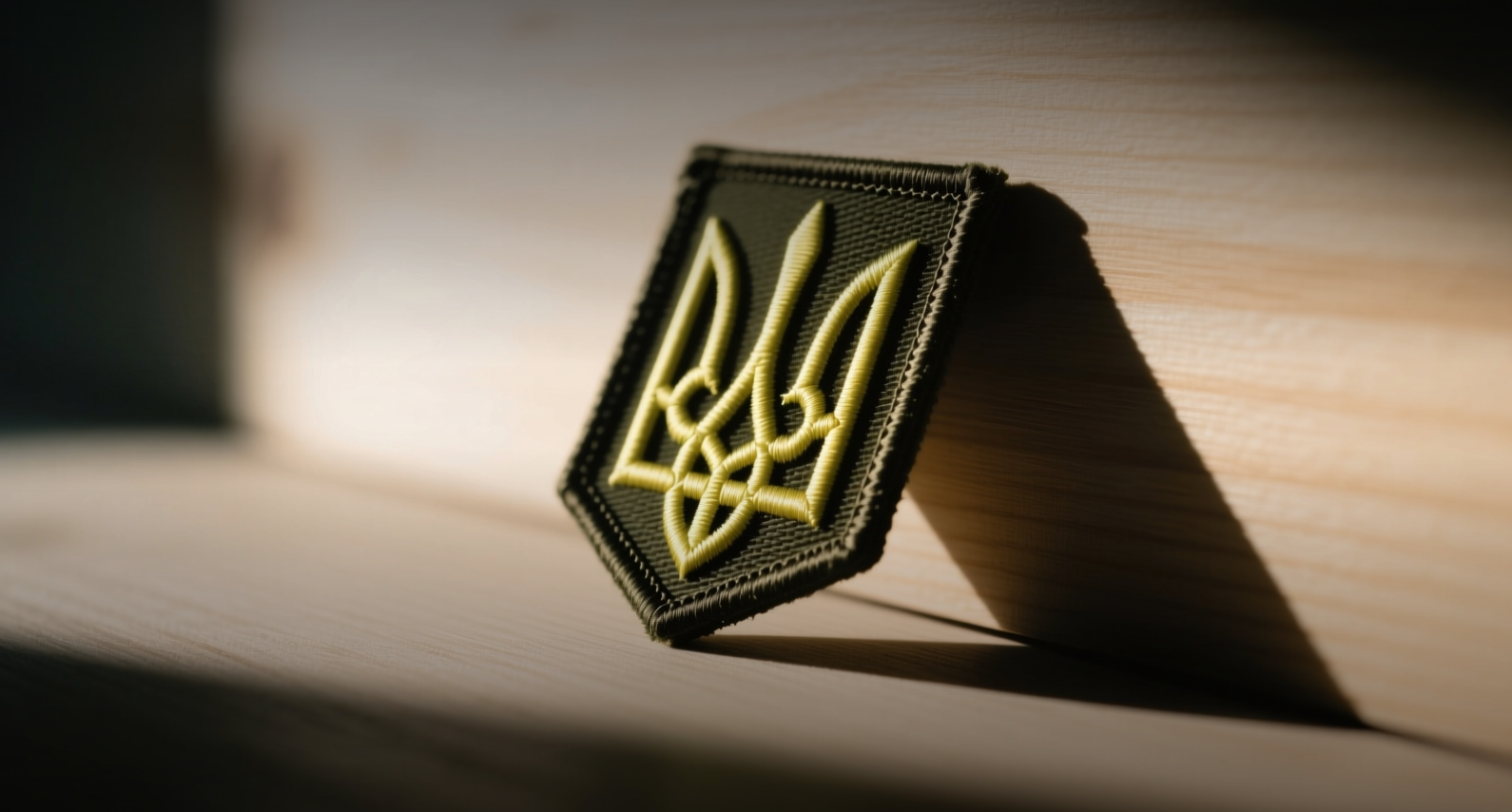
Ukraine's new commander-in-chief inherits an army fighting a grinding war with Soviet-era structures — and a mandate to tear them down.
President Volodymyr Zelensky appointed Maj. Gen. Mykhailo Drapatiy as commander-in-chief of Ukraine's armed forces on July 21, replacing Gen. Oleksandr Syrskiy after nationwide protests exposed a widening rift between the military brass and a society demanding faster modernization. The 43-year-old Drapatiy, who previously resigned as ground forces chief after a Russian strike killed 12 soldiers at a training ground, now faces the task of integrating advanced battlefield technology and loosening a rigid, top-down command structure that critics say has cost unnecessary lives.
"The military needs a commander who values human life above bureaucratic procedure," said Maj. Oleh Shyriaiev, who commands Ukraine's 225th Separate Assault Regiment and fought alongside Drapatiy in the 2014 eastern campaign. "He has shown that above all else, he prizes the importance of bringing soldiers home."
Drapatiy's appointment follows the dismissal of Syrskiy, who had clashed with former Defense Minister Mykhailo Fedorov over the pace of military modernization. Fedorov was fired last week after assailing Syrskiy for dragging his feet on integrating drones and other new technologies into combat operations. The shakeup comes as Ukraine gains momentum with long-range strikes: more than 1,000 strike missions have been conducted since the start of the year, targeting Russian military production facilities, oil infrastructure and logistics hubs, with Ukrainian weapons now reaching beyond 3,000 kilometers, according to Zelensky's office.
The stakes extend beyond the battlefield. Drapatiy must reform a military culture that has resisted input from civilian agencies — particularly the Defense Ministry, which procures most weapons — while remaining overly susceptible to the president's direction, said Ihor Romanenko, a retired lieutenant general who served as deputy chief of Ukraine's general staff. Changing that dynamic will test Drapatiy's authority against older commanders with a stake in the existing hierarchy.
A Commander Forged in Combat
Drapatiy built his reputation in the crucible of Ukraine's first conflict with Russia in 2014. That summer, he led a tank crew that smashed through a barricade erected by Moscow-backed troops in the southern city of Mariupol, then coordinated the safe withdrawal of 260 troops from an area encircled and shelled for weeks by Russian forces. Footage from the aftermath showed dozens of soldiers applauding an exhausted Drapatiy — a moment that cemented his standing among rank-and-file troops.
By the time Russia launched its full-scale invasion in February 2022, Drapatiy had risen to brigadier general and was tasked with leading the defense of Kharkiv. His approach — prioritizing direct contact with officers at all levels and minimizing bureaucratic delays — won praise from soldiers and senior officials alike. Gen. Kyrylo Budanov, Zelensky's chief of staff, described Drapatiy as "a commander with a real sense of battle, who soberly assesses the situation, takes fast decisions, and safeguards lives."
The Modernization Mandate
Zelensky has given Drapatiy and acting Defense Minister Yevhen Khmara two immediate tasks: strengthen Ukraine's air defense and reform the system of territorial recruitment centers. But the broader challenge is structural. Drapatiy will need to accelerate the integration of unmanned ground vehicles and drones into combat operations to reduce reliance on a dwindling supply of assault troops, as Moscow presses along multiple fronts across the 600-mile front line.
"Drapatiy genuinely despises the Soviet legacy in all its forms," said Viktor Trehubov, his spokesman in Ukraine's Joint Forces. "When it takes months to reach decisions that make it down the chain of command and are stalled by paperwork."
The last time Ukraine attempted a major command restructuring was in 2023, when Zelensky replaced the popular Gen. Valeriy Zaluzhny with Syrskiy — a move that initially caused confusion among Western allies and raised questions about Kyiv's strategic direction. This time, the appointment has been met with broad approval from both rank-and-file soldiers and international partners, though the real test will be whether Drapatiy can deliver results on the front line.
This article is for informational purposes only and does not constitute investment advice.