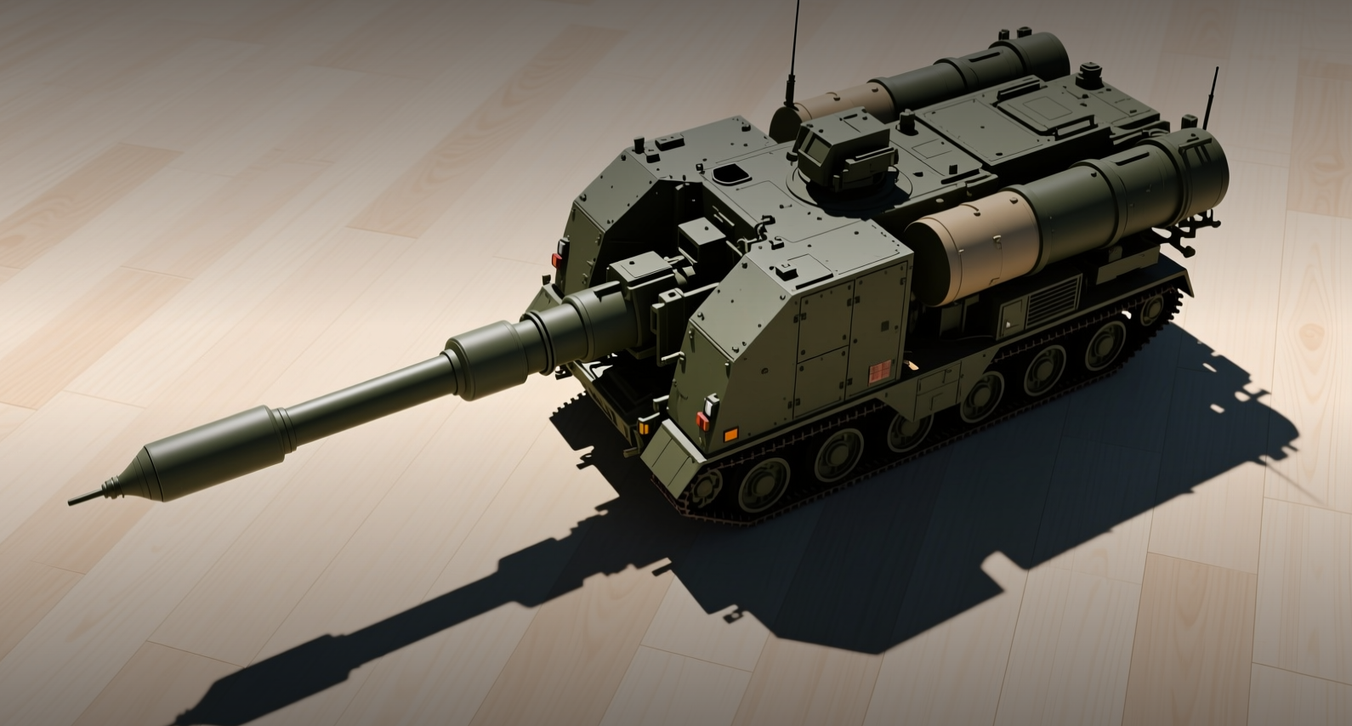
Ukraine's coordinated drone swarms have exploited a critical vulnerability in Russia's Pantsir-S1 air defense, destroying nearly half of the systems and reshaping tactical dynamics around Crimea.
Ukraine's drone swarms have destroyed almost half of Russia's Pantsir-S1 air defense systems, exploiting radar blind spots that Russian defense experts first flagged after Syria operations in 2018.
"The Pantsir-S1's radar was never designed to track small, low-flying UAVs approaching from multiple vectors," said Mikhail Khodaryonok, a retired Russian colonel and military analyst writing for the Moscow-based Defense Ministry journal. "A single drone is invisible. A swarm is a blind spot."
The coordinated attacks involve decoys mixed with armed drones approaching from multiple directions, depleting Russian interceptor stocks before the real payloads strike. In response, Moscow has begun deploying upgraded Pantsir-S systems with enhanced radar arrays and larger missile magazines, according to defense industry reports.
The tactical shift carries implications beyond the battlefield. Defense contractors specializing in drone and counter-drone technology may see heightened investor interest, while broader equity markets could face risk-off sentiment if the escalation draws NATO closer to direct involvement. Prediction markets have already priced in an increased likelihood of Ukrainian military effectiveness, potentially impacting the odds of Kyiv recapturing Crimea.
A Vulnerability First Exposed in Syria
Russian defense experts identified the Pantsir-S1's susceptibility to drone swarms as early as 2018, after the system struggled to intercept small unmanned aerial vehicles used by insurgents in Syria. At the time, the assessments were largely theoretical — the threat environment in Syria lacked the scale and coordination Ukraine has now demonstrated. The current conflict has turned that theoretical weakness into a tactical reality, with Ukrainian forces deploying swarms that overwhelm the system's radar by saturating its tracking capacity.
Market Signals and the Crimea Calculus
The drone campaign's success has shifted market expectations around the conflict's trajectory. Defense equities tied to unmanned systems — including manufacturers of loitering munitions, electronic warfare countermeasures, and small UAVs — have attracted increased trading volume as investors price in sustained demand for drone warfare capabilities. On the commodity side, any escalation that threatens Russian control over Crimea could inject a risk premium into Black Sea grain and energy shipping routes, though no direct disruption has materialized.
The last time a comparable tactical innovation shifted battlefield dynamics — Ukraine's use of HIMARS in mid-2022 — Russian forces lost significant territory in Kharkiv and Kherson within weeks. Whether the drone-swarm advantage produces a similar territorial shift remains uncertain, but the pattern of Russian defensive adaptation suggests Moscow views the threat as existential to its air defense network.
This article is for informational purposes only and does not constitute investment advice.