
The Trump administration will allow 300,000 metric tons of tariff-free ground beef imports for 90 days to cool near-record grocery prices.
The Trump administration will allow 300,000 metric tons of tariff-free ground beef imports for 90 days to cool near-record grocery prices.
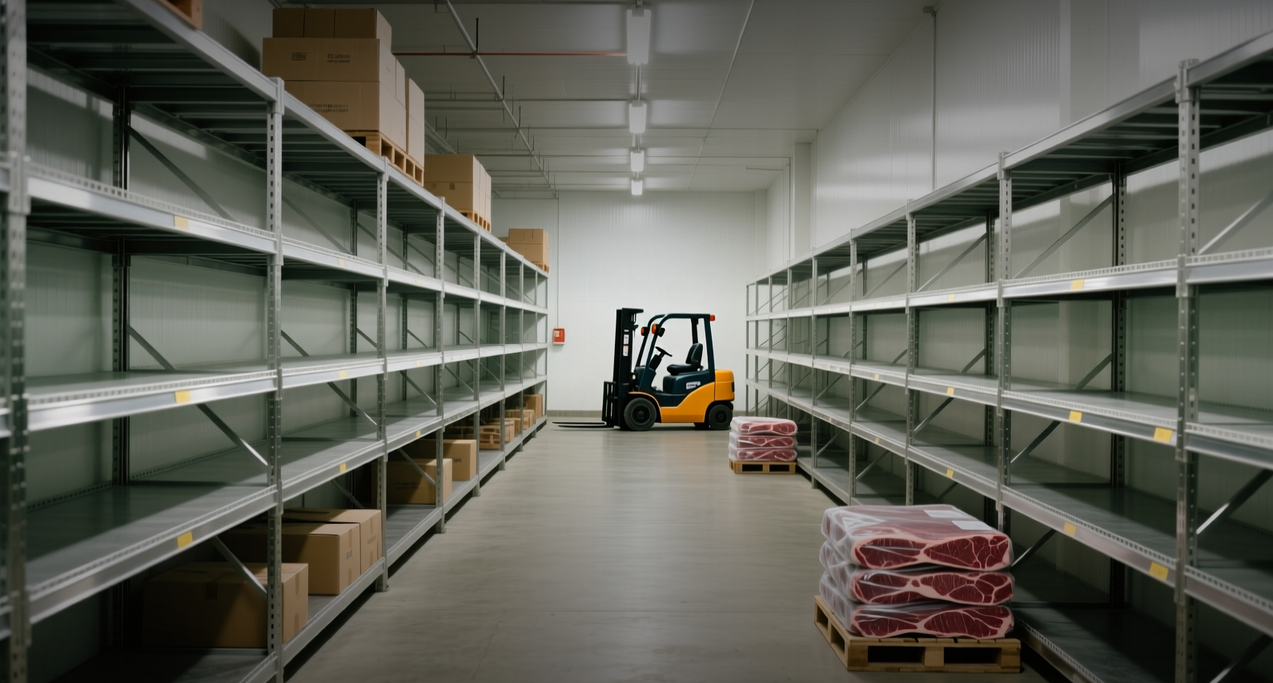
The Trump administration will allow up to 300,000 metric tons of ground beef into the U.S. without out-of-quota tariffs for 90 days, a bid to pull grocery prices down from near-record levels as the domestic cattle herd sits at a 75-year low.
"Today, I concluded a deal to substantially lower the price of ground beef for working American families," Trump said in a social-media post Friday, adding that importers have committed to selling the beef at 25 percent below current market prices.
The move targets a staple that has stayed stubbornly expensive. July data put the average price of a pound of ground beef at $7.116, still close to a record high even as the 9.4 percent annual rise marked the smallest such increase in a year and a half, according to Bloomberg. Trump did not identify which countries would supply the beef or who committed to the pricing.
The stakes are political as much as economic. Food costs are among the sharpest flashpoints heading into November's midterm elections, and the administration has already suspended tariff-rate quotas, asked the Justice Department to examine possible meatpacker price-fixing, and pursued a restart of live cattle imports from Mexico.
The supply backdrop explains the urgency. The U.S. cattle herd has contracted to its lowest point in 75 years, a decline driven by years of drought, high feed costs, and herd liquidation. Rebuilding herd size takes a minimum of two years from the moment producers begin holding back female heifers for breeding, according to Reuters. A ban on Mexican cattle imports, imposed because of a flesh-eating parasite outbreak, has further tightened supplies.
Consumer demand has held firm despite the elevated prices. No other food category tracked by NielsenIQ added more dollars in sales in the run-up to Independence Day, with beef revenue climbing roughly $352 million over the same period last year. Some shoppers have shifted toward chicken and pork to save money, a substitution that could accelerate if the import relief proves too small to move retail prices.
The deal's structure links immediate price relief to a temporary supply injection. By committing to sell the imported volume at 25 percent below market rates, the policy targets consumer cost reduction directly rather than simply adding supply. At current prices, that discount would take a pound of ground beef from $7.116 to roughly $5.34, a cut that could show up directly in the food-at-home inflation index voters track closely. The 90-day window points to a short-term intervention designed to stabilize prices while the domestic herd rebuilds.
Domestic cattle producers have pushed back against expanded imports, arguing the approach undercuts American ranchers. The tension between consumer relief and producer protection is likely to sharpen if prices fail to fall as quickly as the administration hopes, or if the window closes with the herd still far from recovered.
If the discounted imports pull ground beef prices down measurably, the administration could extend the window or broaden it to other cuts. If prices stay elevated, pressure will mount on the Justice Department's price-fixing probe and on restarting Mexican live-cattle imports. Either path carries consequences for live-cattle futures and food-inflation data in the months ahead, with the outcome likely to shape how voters judge the administration's handling of the economy at the ballot box.
This article is for informational purposes only and does not constitute investment advice.
