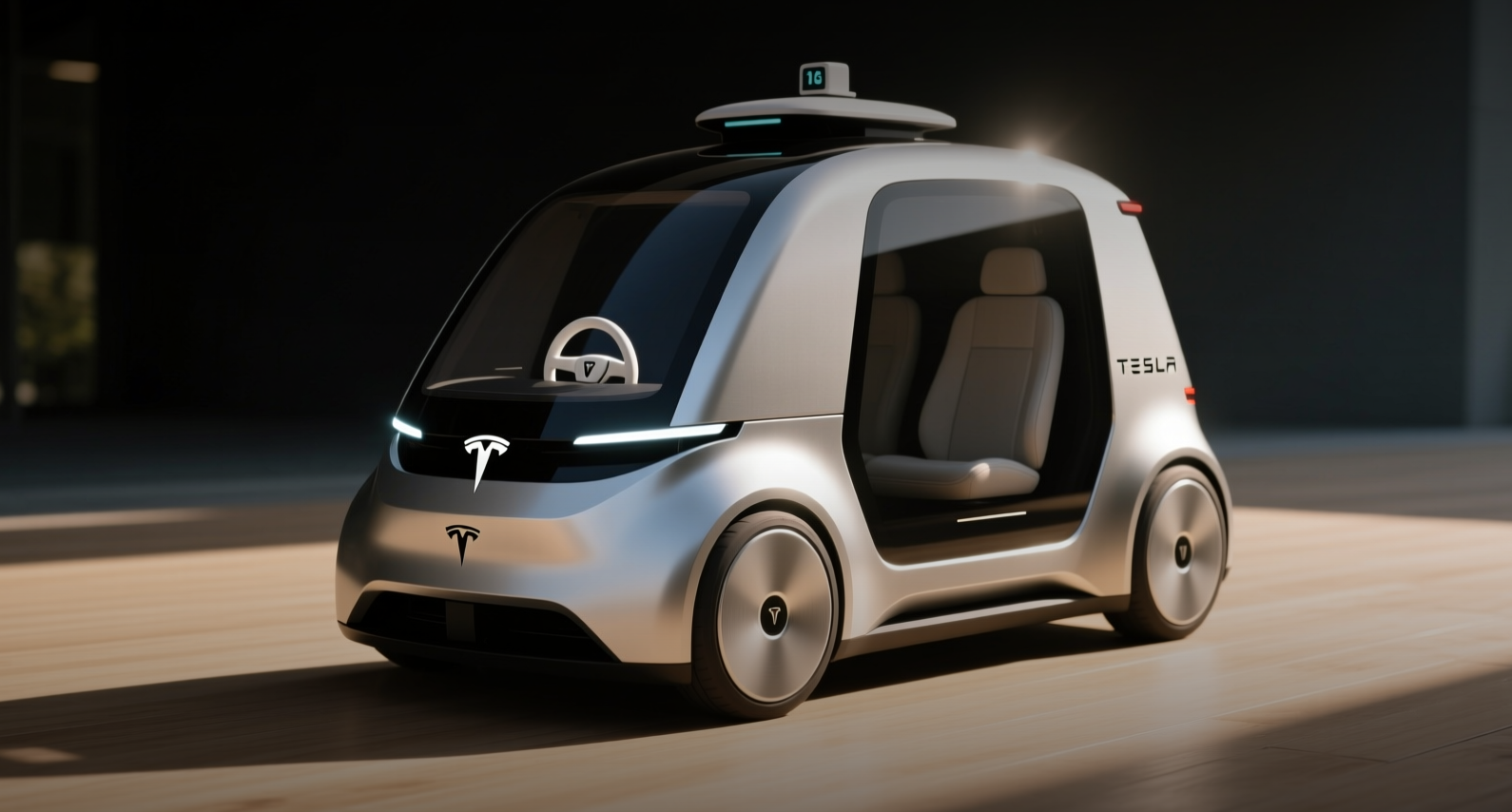
Tesla's unsupervised robotaxi service now covers 6 US cities as the company shifts its Full Self-Driving technology from development to revenue generation.
Tesla Inc. launched unsupervised robotaxi rides in Orlando and Tampa, expanding its autonomous fleet to 6 cities as it prepares to report second-quarter earnings next week.
"Adding Florida's 2 largest metro areas brings our unsupervised service to major population centers across the Sun Belt," Tesla said in a post on X, without providing a specific timeline for further expansion.
The expansion brings Tesla's robotaxi network to Austin, Dallas, Houston, Miami, Orlando and Tampa, with supervised testing underway in California's San Francisco Bay Area. The system relies on cameras and AI-based software, a different approach from Alphabet Inc.'s Waymo, which uses lidar alongside other sensors. Tesla shares rose about 3.6 percent Tuesday as investors awaited clearer details on fleet growth and operating costs.
The commercial rollout marks a shift for Tesla as it moves beyond vehicle manufacturing toward artificial intelligence and self-driving technology. Chief Executive Officer Elon Musk has positioned robotaxis as a central pillar of the company's future, with plans to introduce the Cybercab — a purpose-built vehicle without pedals or a steering wheel. The timing puts fresh attention on Tesla's autonomous driving strategy ahead of its second-quarter earnings report.
Tesla's camera-only approach to autonomy contrasts with Waymo's sensor-heavy strategy, which uses lidar, radar and cameras. Waymo currently operates commercial robotaxi services in San Francisco, Los Angeles, Phoenix and Washington, D.C., giving it a broader operational footprint. Tesla's path to unsupervised driving has moved more slowly than some earlier targets suggested, with Musk having previously predicted a nationwide robotaxi network by 2020.
The company has said safety testing will continue to shape the pace of expansion. Each new city requires validation of Tesla's Full Self-Driving software against local traffic patterns, road conditions and regulatory requirements before unsupervised rides begin.
For investors, the expansion represents the first tangible revenue stream from Tesla's FSD technology beyond vehicle sales. Tesla shares trade at roughly 70 times forward earnings, a premium that reflects expectations for autonomous driving revenue. The robotaxi service could open a new recurring revenue channel, though the company has not disclosed pricing, utilization rates or per-mile economics for the Florida operations. Waymo, by comparison, operates in 4 cities and has not disclosed profitability for its ride-hailing service.
This article is for informational purposes only and does not constitute investment advice.