

Key Takeaways: Taiwanese prosecutors detained an Nvidia employee as part of a widening probe into the illegal export of about 50 advanced AI servers to China, escalating enforcement of US chip controls.
Key Takeaways: Taiwanese prosecutors detained an Nvidia employee as part of a widening probe into the illegal export of about 50 advanced AI servers to China, escalating enforcement of US chip controls.
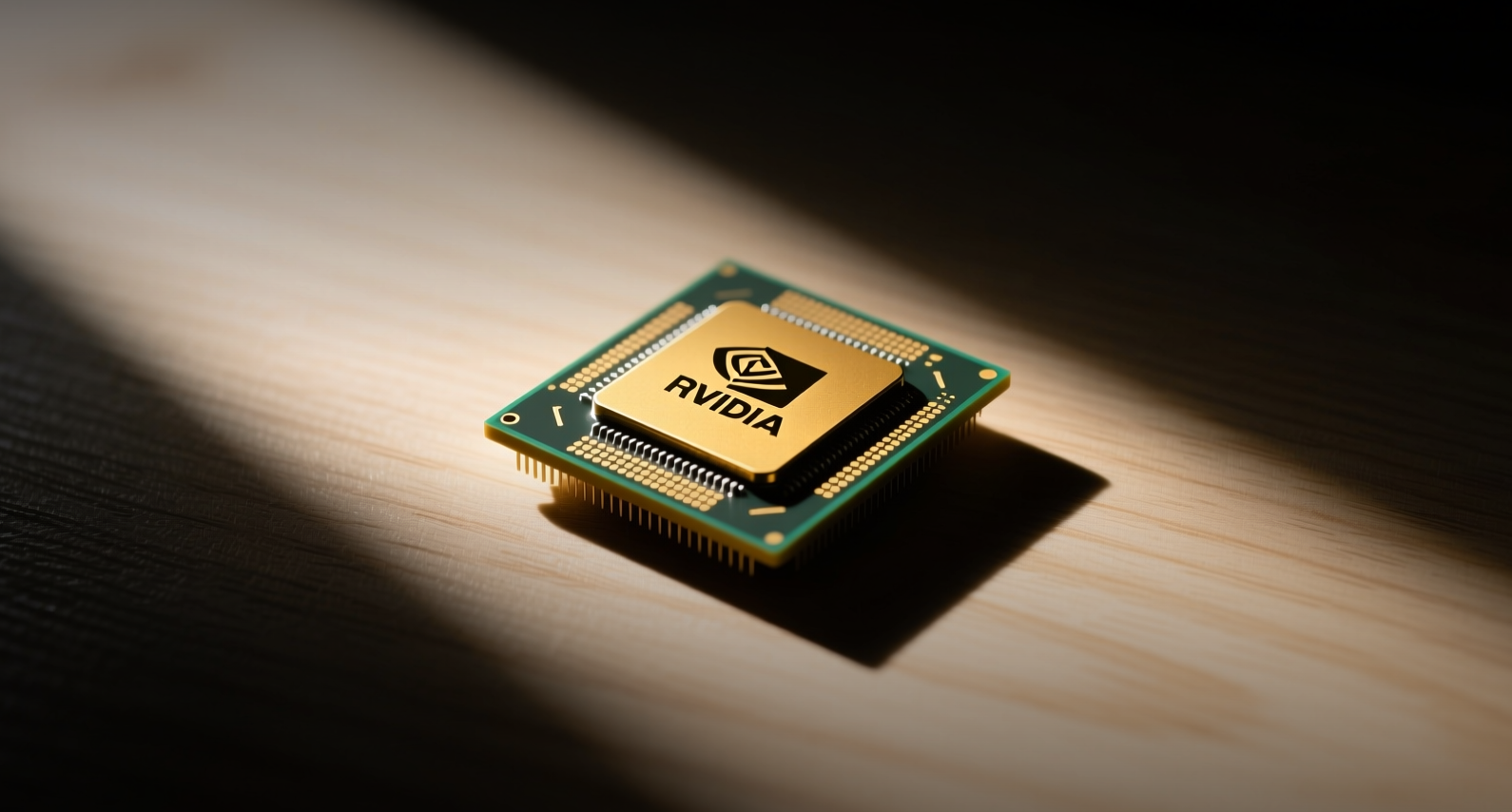
Taiwanese prosecutors detained an Nvidia Corp. employee as part of a probe into the alleged smuggling of about 50 Super Micro Computer Inc. AI servers to China, widening a crackdown on violations of US export controls.
"The detained person is strongly suspected of having committed the offences, and that there is a risk of flight, destruction of evidence, and collusion with accomplices or witnesses," the Keelung District Prosecutors Office said in a statement, without naming Nvidia.
Seven people are now held in the probe, including the Nvidia employee, two from Super Micro and one from Taiwan-listed Albatron Technology. They are accused of forging documents to ship roughly 50 servers to China, with some shipments cleared by Taiwan customs and routed through Japan, according to a person familiar with the case. The investigation follows a US indictment unsealed in March that alleged Super Micro employees diverted billions of dollars worth of Nvidia AI chips to China in breach of export controls.
The case shows intensifying enforcement of US restrictions on advanced semiconductor exports to China, which ban the most cutting-edge AI chips designed by Nvidia. Singapore police earlier this month seized a luxury bungalow worth more than $40 million as part of related fraud investigations, signaling the scale of alleged diversion networks.
The Nvidia employee was detained after investigators raided his home and workplace on July 24, prosecutors said. The person was identified as involved after authorities analyzed evidence from earlier searches targeting Super Micro, a source familiar with the case told AFP.
Nvidia said in response that "smuggling is a nonstarter," adding that it primarily sells to well-known partners including original equipment manufacturers who help ensure compliance with US export control rules. "Even relatively small exporters and shipments are subject to thorough review and scrutiny on both sides of the globe," a company spokesperson said.
The US restricts exports to China of the most advanced silicon chips used to power artificial intelligence systems. Officials said in May they were investigating shipments of high-end AI servers from Super Micro to China, Macau and Hong Kong.
The last major escalation in US-China chip export enforcement in October 2023 triggered a 17 percent decline in the Philadelphia Semiconductor Index over the following month as investors priced in supply chain disruptions. Nvidia shares fell as much as 4.8 percent in after-hours trading following the March 2026 indictment of Super Micro employees, according to exchange data.
Taiwan prosecutors said it is too early to determine if the case is linked to the US indictment of Super Micro employees. The probe has already ensnared companies across the supply chain, from chip designers to server manufacturers to logistics providers.
The case also threatens to disrupt the AI server supply chain, which relies heavily on Taiwan for advanced semiconductor manufacturing and assembly. Taiwan Semiconductor Manufacturing Co., the world's largest contract chipmaker, counts Nvidia as one of its biggest customers.
This article is for informational purposes only and does not constitute investment advice.
